Get your free personalized podcast brief
We scan new podcasts and send you the top 5 insights daily.
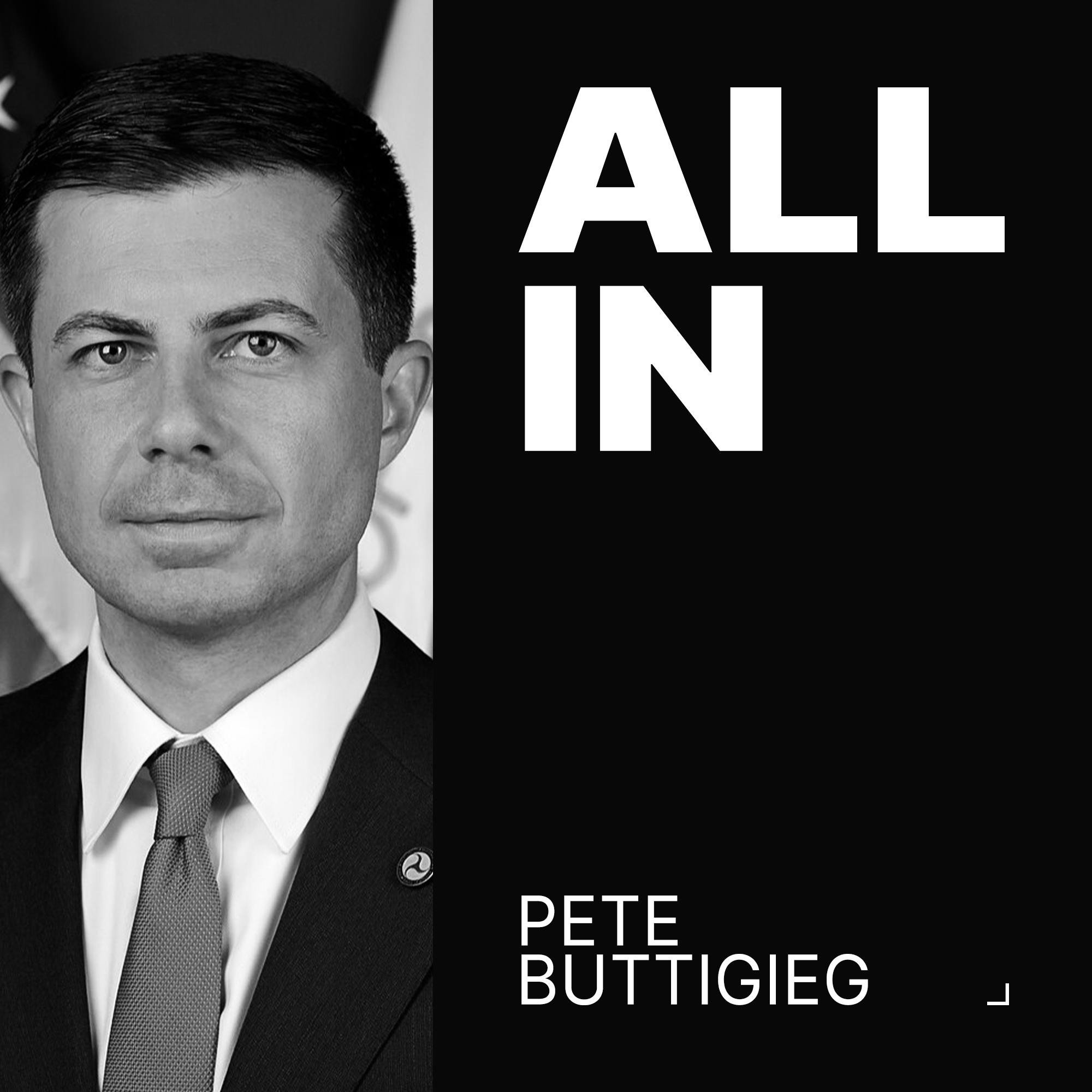
Drawing parallels to the Rust Belt's decline, Buttigieg warns AI's impact on white-collar work will be more profound than just economic loss. It will cause a deeper "displacement of identity," as professions in law, medicine, and software are central to how people see themselves and their place in society.
Related Insights
Unlike past industrial shifts, AI's impact won't be contained to specific industries. Once AI can perfectly replicate a human worker behind a keyboard, video, and mouse, it will trigger a simultaneous displacement wave across all remote-capable jobs.

Beyond displacing current workers, AI will lead to hiring "abatement," where companies proactively eliminate roles from their hiring plans altogether. This is a subtle but profound workforce shift, as entire job categories may vanish from the market before employees can be retrained.

Just as NAFTA brought cheap goods but eliminated manufacturing jobs, AI will create immense productivity via a new class of "digital immigrants" (AIs in data centers). This will generate abundance and cheap digital services but risks displacing vast swaths of cognitive labor and concentrating wealth.

Influencers from opposite ends of the political spectrum are finding common ground in their warnings about AI's potential to destroy jobs and creative fields. This unusual consensus suggests AI is becoming a powerful, non-traditional wedge issue that could reshape political alliances and public discourse.

AI is rapidly automating knowledge work, making white-collar jobs precarious. In contrast, physical trades requiring dexterity and on-site problem-solving (e.g., plumbing, painting) are much harder to automate. This will increase the value and demand for skilled blue-collar professionals.

Contrary to fears of mass unemployment, AI's biggest losers will likely be the upper-middle class. The traditionally secure, high-paying career paths in consulting and law are highly susceptible to AI disruption, while other socioeconomic groups may see more benefits.

The most dangerous long-term impact of AI is not economic unemployment, but the stripping away of human meaning and purpose. As AI masters every valuable skill, it will disrupt the core human algorithm of contributing to the group, leading to a collective psychological crisis and societal decay.

Frame AI not as a tool, but as a wave of "digital immigrants" with superhuman cognitive abilities. Similar to how the NAFTA trade agreement outsourced manufacturing, AI will outsource knowledge work. This will create abundance for some but risks hollowing out the middle class and social fabric.

Contrary to fears of automating low-skill work, economist Alan Blinder argues that AI is more likely to replace high-paying white-collar jobs in finance and professional services. Lower-wage manual and service roles are less vulnerable, a dynamic which could potentially compress the upper end of the income distribution.

The immediate threat of AI is to entry-level white-collar jobs, not senior roles. Senior staff can now use AI to perform the "grunt work" of research and drafting previously assigned to apprentices. This automates the traditional career ladder, making it harder for new talent to enter professions like law, finance, and consulting.