Get your free personalized podcast brief
We scan new podcasts and send you the top 5 insights daily.
When building his internal developer tools team at Meta, Adrian's hiring strategy was simple: find talented engineers who were already building similar tools on the side out of passion or necessity. He then offered them the chance to turn that side-hustle into their full-time, high-impact job.

Related Insights
The most effective hires are individuals with the entrepreneurial drive to build their own business but who recognize greater potential in leveraging your company's platform and distribution. This strategy attracts talent that thinks like owners, not employees, and can run their departments autonomously.
Resist hiring quickly after finding traction. Instead, 'hire painfully slowly' and assemble an initial 'MVP Crew' — a small, self-sufficient team with all skills needed to build, market, and sell the product end-to-end. This establishes a core DNA of speed and execution before scaling.

Avoid hiring a growth leader with a big-name pedigree for your early team, as they are often unsuited for the necessary hands-on experimentation. Instead, seek young, hungry builders who are motivated by chaos and comfortable rebuilding their own work as the company's needs evolve.

To build an AI-native team, shift the hiring process from reviewing resumes to evaluating portfolios of work. Ask candidates to demonstrate what they've built with AI, their favorite prompt techniques, and apps they wish they could create. This reveals practical skill over credentialism.

Ramp's hiring philosophy prioritizes a candidate's trajectory and learning velocity ("slope") over their current experience level ("intercept"). They find young, driven individuals with high potential and give them significant responsibility. This approach cultivates a highly talented and loyal team that outperforms what they could afford to hire on the open market.

The most promising junior candidates are those who demonstrate self-learning by creating things they weren't asked to do, like a weekend app project. This signal of intrinsic motivation is more valuable than perfectly completed assignments.

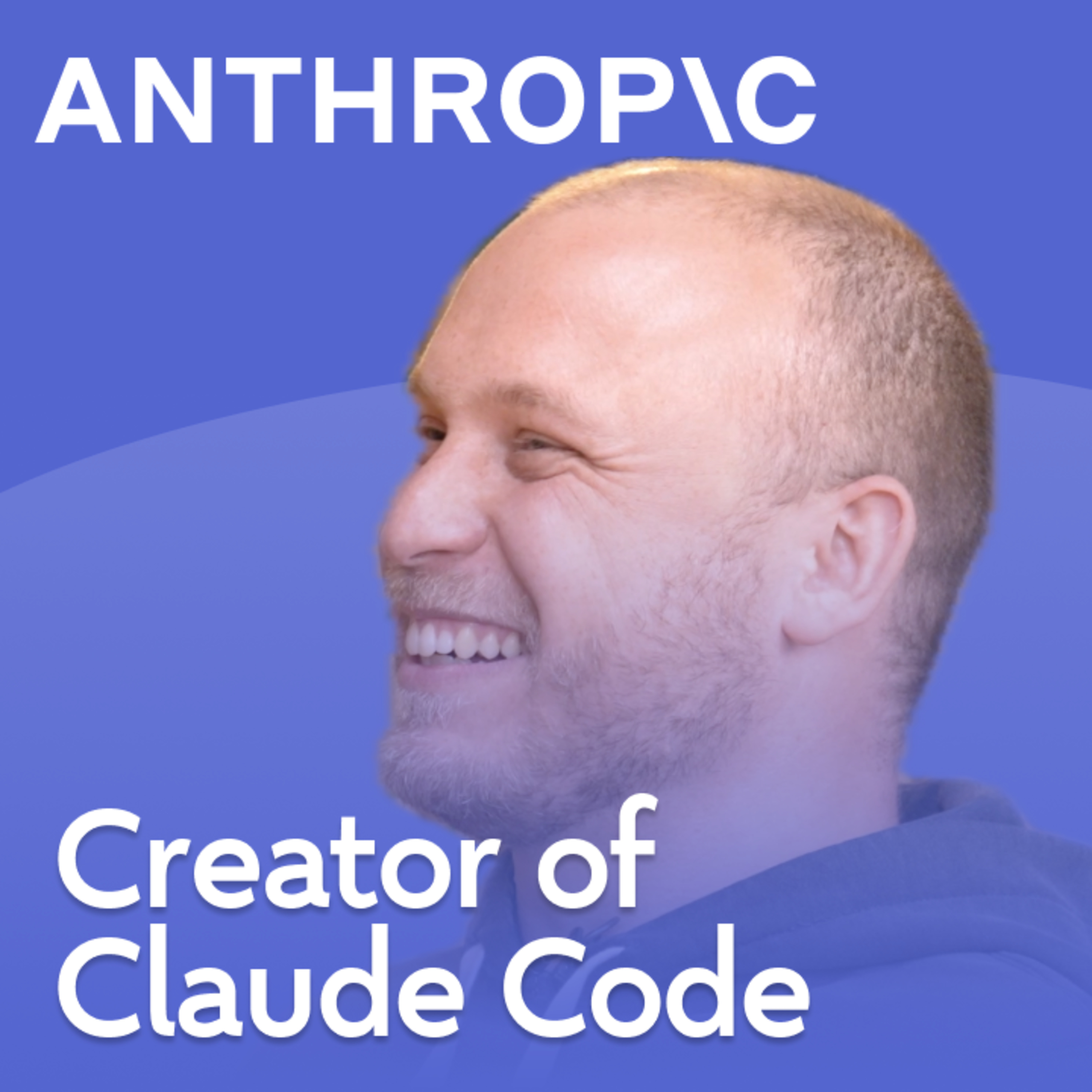
The creator of Claude Code prioritizes hiring generalists who possess skills beyond coding, such as product sense and a desire to talk to users. This 'full-stack' approach, where even PMs and data scientists code, fosters a more effective and versatile team.
Dropbox's founders built their team using a first-principles approach, prioritizing exceptional talent even when candidates lacked traditional pedigrees or direct experience for a role. This strategy of betting on the person's potential over their polished resume proved highly effective for scaling.

Instead of recruiting for a job spec, Cursor identifies exceptional individuals and "swarms" them with team attention. If there's mutual interest, a role is created to fit their talents. This talent-first approach, common in pro sports, prioritizes acquiring top-tier people over filling predefined needs.

Lovable evaluates side projects with the same weight as professional work. A fanatical, well-crafted side project can demonstrate a candidate's ceiling for hard skills and intrinsic motivation more effectively than their day job, making them a top candidate regardless of their formal work history.