Get your free personalized podcast brief
We scan new podcasts and send you the top 5 insights daily.
Sun Bum's unique branding wasn't just "surf culture." It was a deliberate mashup of disparate influences, including 1960s surf, Charles and Ray Eames furniture for its wood grain, European typography, and Japanese streetwear for its mascot design.

Related Insights
To build an authentic surf brand, Sun Bum operated from Michigan but used a Cocoa Beach, Florida, PO box. Staff were instructed to be vague about the snowy weather, saying it was "unbelievable" to maintain the illusion of a beach-based company for customers.
To achieve a creative breakthrough, intentionally explore concepts that are radically different from your established style. Designer MDS created versions that looked nothing like his brand to push boundaries and avoid predictable outcomes before refining his final vision.
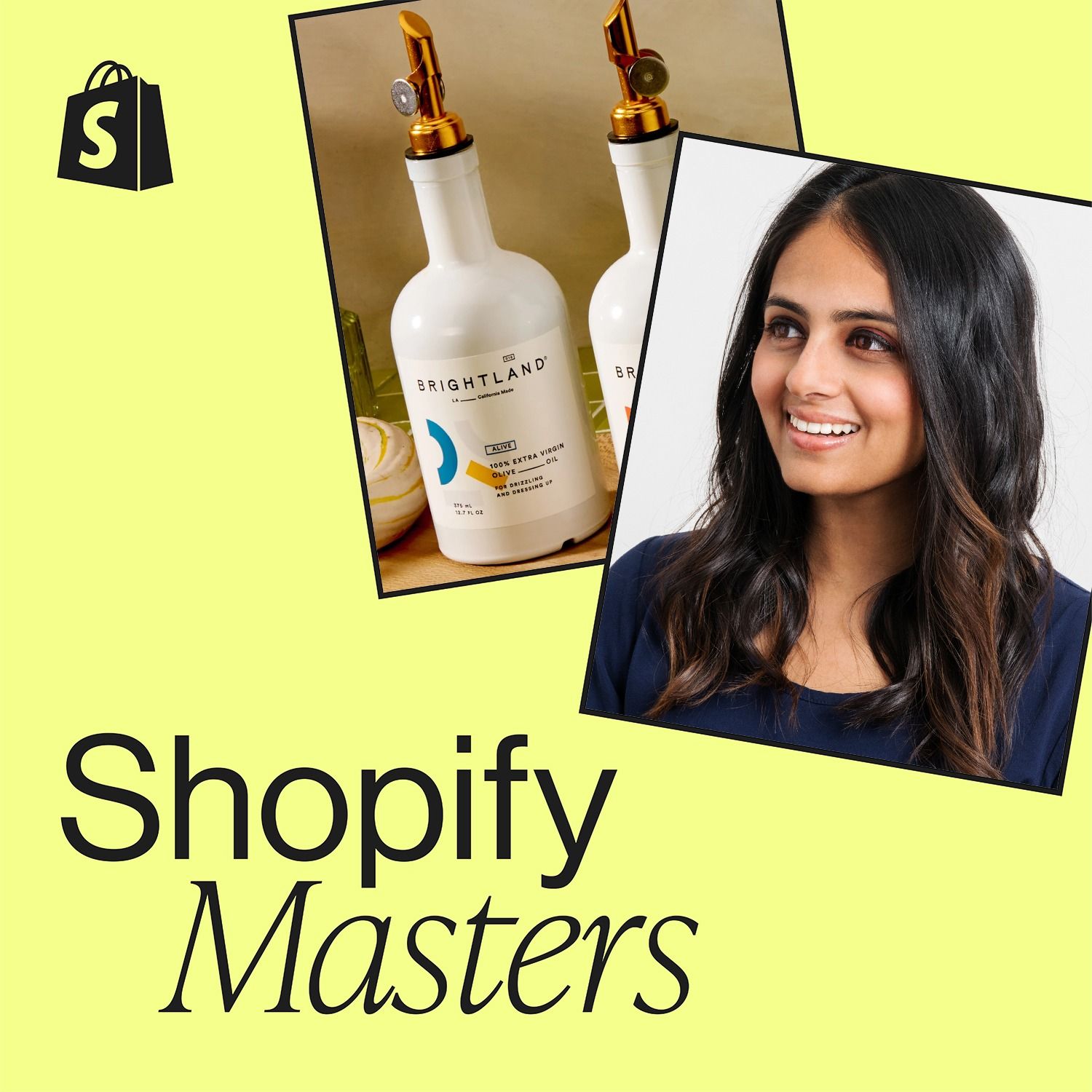
To create a product that stands out, look for design cues outside of your immediate industry. Brightland’s team studies jewelry and footwear stores to understand emerging colors and styles, avoiding the echo chamber of their own category and online 'AI slop'.
To stand out, brands should adopt assets that are 'meaning-free'—having no logical connection to the product, like Gong's bulldog mascot. This avoids using generic industry symbols (e.g., a fountain pen for a copywriter) and creates a unique, memorable brand identity.

A key growth tactic for Sun Bum was mass-distributing stickers of its ape mascot without the brand name. This "graffiti marketing" created widespread curiosity, with people calling radio stations to ask "What's this ape?" which drove brand discovery organically.
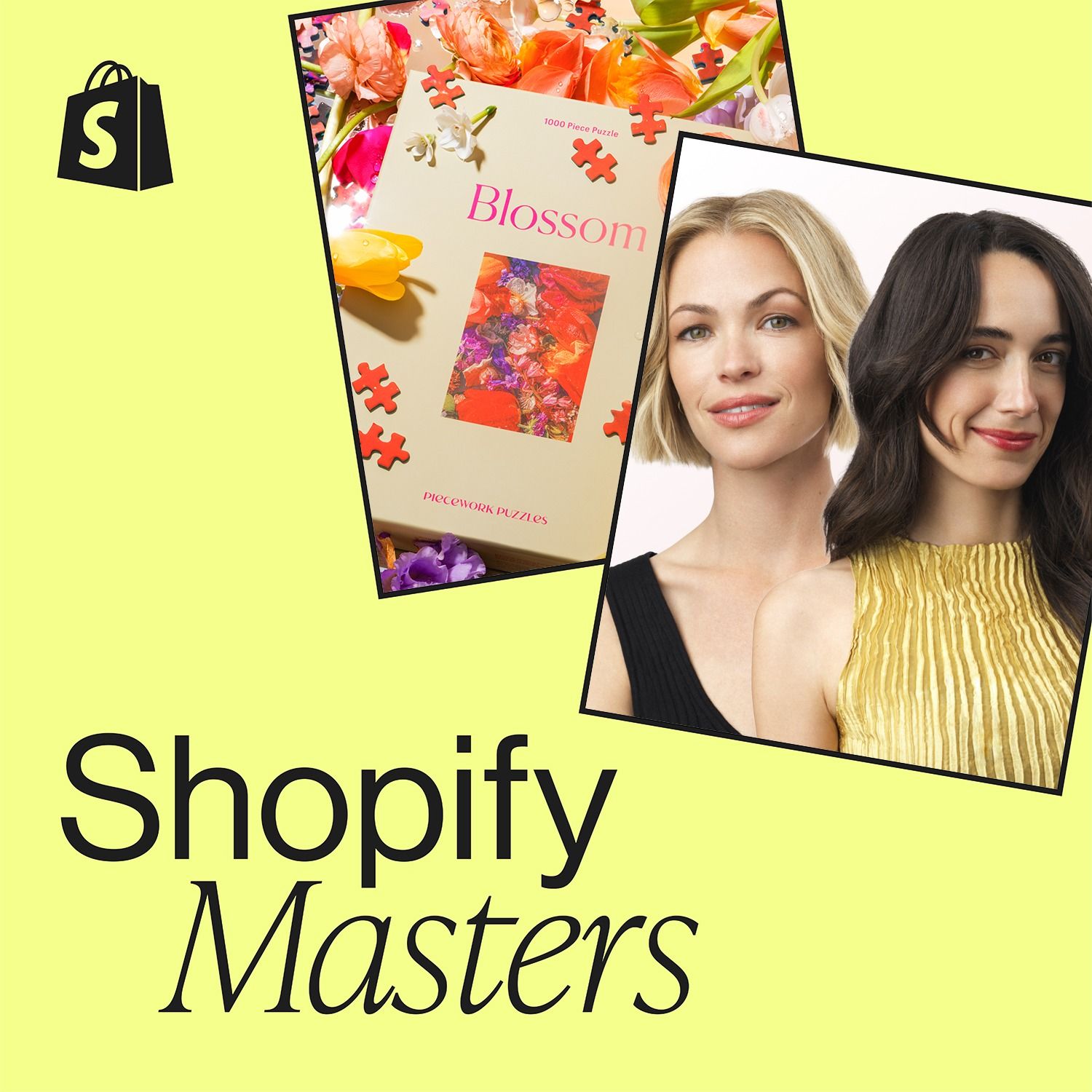
While competitors followed the prevailing minimalist, 'beige-on-beige' aesthetic, Peacework Puzzles deliberately chose a maximalist and colorful brand identity. This contrarian approach made them stand out, resonated authentically with a specific audience, and helped build a loyal following.
Branding transcends visual elements like logos, websites, or uniforms. A truly powerful brand is the lasting, unique impact—the "thumbprint"—a company leaves on its community, customers, and team. This defines reputation and fosters deep loyalty far more effectively than any aesthetic component.

Sun Bum refused to let retailers "cherry-pick" a few products. To get shelf space, stores had to purchase a complete, custom-designed display that included the full product line plus merchandise, making the brand seem bigger and more established from day one.
Tom Rinks attributes part of Sun Bum's success to its name. Including the word "sun" meant customers were already saying half the brand name when thinking about the category, similar to successful brands like Drano for drains or Home Depot for home products.
Warby Parker's name comes from characters in an unpublished Jack Kerouac novel, forming the basis of its brand. This literary, American aesthetic was reinforced through marketing activations like filling the NY Public Library with models and a cross-country tour in a yellow school bus. This strategy builds a rich narrative that creates meaning beyond the product itself.
