Get your free personalized podcast brief
We scan new podcasts and send you the top 5 insights daily.
Ex-Meta CTO Mike Schreppfer's fund posits that the true constraint on AI growth isn't silicon but century-old tech like power transformers, which have 4-5 year backorders. The fund is investing in startups that apply modern tech, like EV power electronics, to reinvent these crucial components, solving physical-world problems.

Related Insights
The AI industry's primary constraint is shifting from chip manufacturing to energy generation and grid capacity. Building power infrastructure is far slower and more complex than producing semiconductors, creating a significant long-term growth bottleneck.

Mike Schroepfer, Meta's ex-CTO, believes that as the marginal cost of software ("bits") trends to zero, the next major wave of innovation will be in the physical world ("atoms"). His new fund, Gigascale Capital, invests in areas like energy, data centers, and manufacturing, which he sees as the new frontier.

The AI revolution isn't just about software. For the first time in years, venture capital is flowing into hardware like specialized semis and even into energy generation, because power is the core bottleneck for all AI progress.

The primary bottleneck for scaling AI over the next decade may be the difficulty of bringing gigawatt-scale power online to support data centers. Smart money is already focused on this challenge, which is more complex than silicon supply.

Building AI data centers or nuclear plants is pointless without the massive transformers needed to connect them to the grid. With lead times of 4-5 years for these components, which rely on Chinese rare earths, this hardware bottleneck is the critical constraint on energy and AI infrastructure expansion.

While data was once a major constraint for training AI, models can now effectively create their own synthetic data. This has shifted the critical choke points in the AI supply chain to physical infrastructure like power grids and data center construction, which are now the primary limiters of growth.

The race to build AI infrastructure was constrained not by advanced semiconductors, but by the availability of power transformers. This overlooked, 100-year-old technology saw lead times balloon to over three years, becoming the single biggest gating factor for new data center deployments.

While NVIDIA may solve the chip shortage, the true limiting factors for AI's growth are physical-world constraints. The US currently lacks sufficient electricity, rare earth minerals, manufacturing capacity, and even power transformers to support the massive, energy-intensive demands of AI.

The AI supply crunch extends beyond advanced processors. The industry faces critical shortages of basic components like electrical transformers and switches, with lead times stretching three to five years. This creates a less obvious but significant bottleneck for building the necessary data center infrastructure.
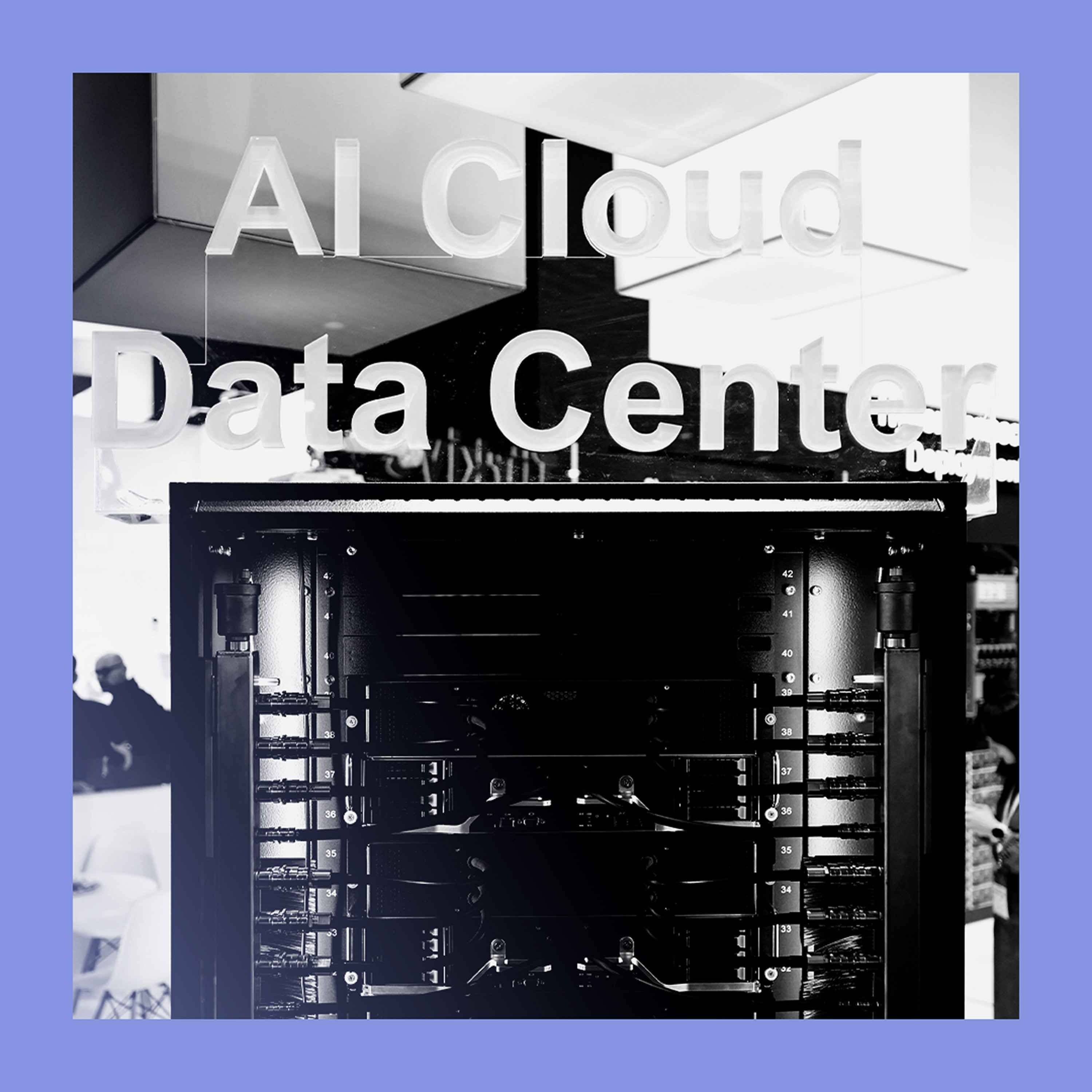
The primary constraint on the AI boom is not chips or capital, but aging physical infrastructure. In Santa Clara, NVIDIA's hometown, fully constructed data centers are sitting empty for years simply because the local utility cannot supply enough electricity. This highlights how the pace of AI development is ultimately tethered to the physical world's limitations.
