Get your free personalized podcast brief
We scan new podcasts and send you the top 5 insights daily.
By instructing employees to treat customers like their own parents, Devoted Health creates an unbreakable bond of loyalty. This seemingly soft strategy is actually ruthless; it effectively removes satisfied customers from the available market, making it impossible for competitors to poach them, even with lower prices. Love becomes a powerful competitive moat.

Related Insights
A powerful entry strategy is to target industries where legacy players have notoriously bad customer service. You don't need a massively differentiated product to win. Simply providing responsive, high-quality customer service can create a cult-like following and a strong competitive advantage.

When your core product reaches parity with competitors, you can win by delivering 'unreasonable hospitality.' The world's #1 restaurant, unable to beat others on food alone, doubled down on exceptional, personalized service, creating a powerful competitive moat by caring more for customers.
![The power of kindness with Kory Marchisotto [Uncensored Renegades] thumbnail](https://img.transistorcdn.com/VIH3Rn5ET8-eHQxgBGNydnhXL95pc10_Kq7qTpjezuc/rs:fill:0:0:1/w:1400/h:1400/q:60/mb:500000/aHR0cHM6Ly9pbWct/dXBsb2FkLXByb2R1/Y3Rpb24udHJhbnNp/c3Rvci5mbS9zaG93/LzQ3MzEvMTU3MDAz/MjQ3NC1hcnR3b3Jr/LmpwZw.jpg)
A competitive moat can be built by moving beyond simple service delivery (e.g., shipping medicine) to a closed-loop system. This involves diagnostics to establish a baseline, personalized treatment plans based on results, and ongoing re-testing to demonstrate improvement, creating a sticky user journey.

A sustainable competitive advantage is often rooted in a company's culture. When core values are directly aligned with what gives a company its market edge (e.g., Costco's employee focus driving superior retail service), the moat becomes incredibly difficult for competitors to replicate.
![[REPLAY] Paul Black - Gratitude, Fun, and Growth Stocks (Capital Allocators, EP.51) thumbnail](https://static.libsyn.com/p/assets/f/b/7/6/fb76e1c8bfb69e8dd959afa2a1bf1c87/CA_Square_logo_light_background_6.26.24.jpg)
Instead of the common 'vitamin vs. painkiller' framework, the ultimate strategic goal should be to become irreplaceable in the customer's mind. This single question can align product, marketing, and customer service toward a unified goal of creating deep, lasting value.

True competitive advantage comes not from lower prices, but from maximizing customer lifetime value (LTV). A higher LTV allows you to afford significantly higher customer acquisition costs than rivals, enabling you to buy up ad inventory, starve them of leads, and create a legally defensible market monopoly.

Products can be replicated and brands can be out-marketed, but deep customer relationships built through genuine, consistent hospitality are incredibly difficult for competitors to erode. This makes investing in intimacy a long-term strategic moat.

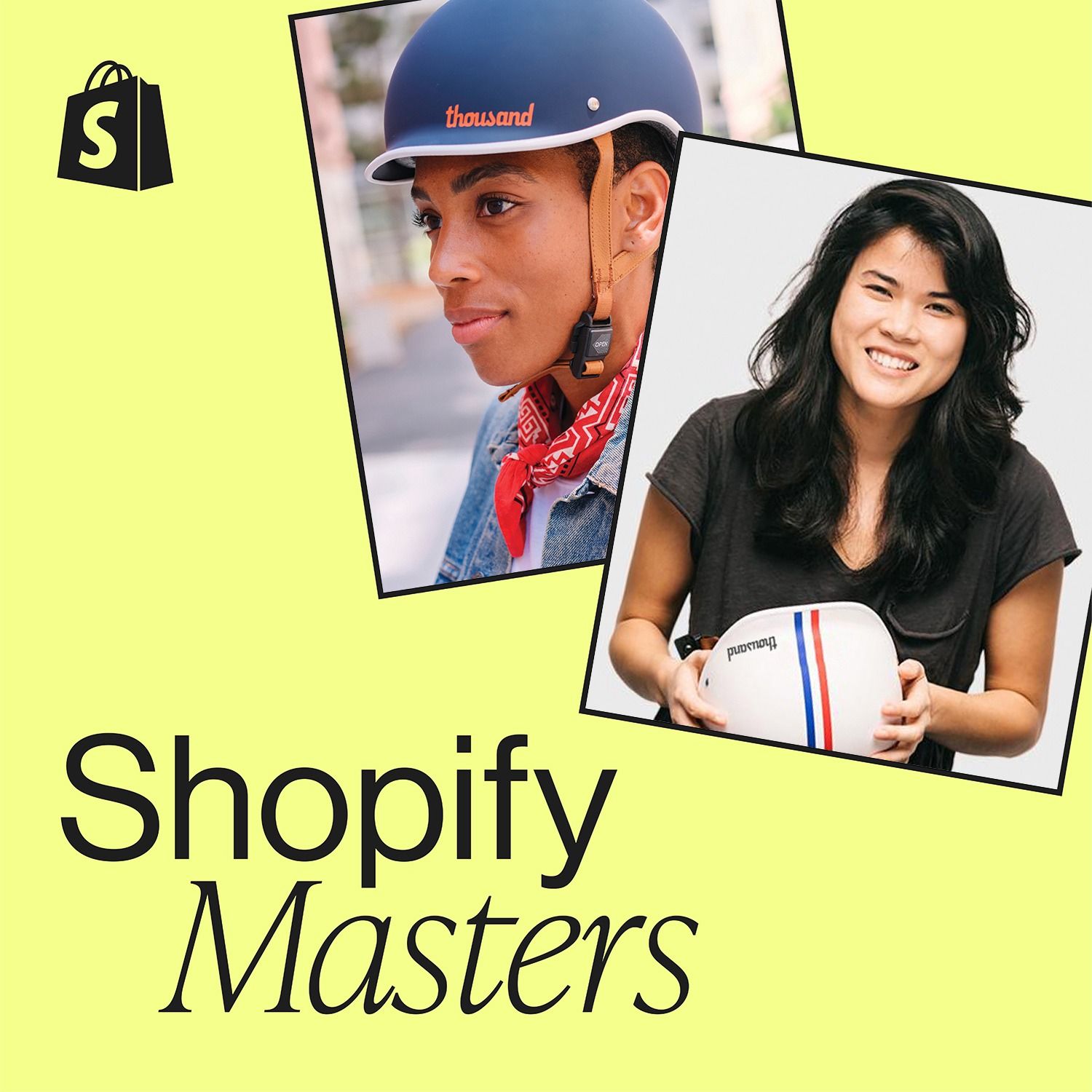
When larger competitors launched "Thousand Killer" copycat products, the founder resisted competing on price or features. Instead, she doubled down on deep customer insights and brand differentiation, moving further away from the competition. This proved more effective than engaging in a feature or price war, reinforcing their market position.
The most defensible businesses, especially in enterprise software, create such high switching costs that customers are essentially locked in. This "hostage" dynamic, where leaving is prohibitively difficult, is a stronger moat than simply having satisfied customers who could still churn. It's the foundation of an enduring software business.

Defensible companies build systems of record (like an ERP) that are so integral to a customer's operations that switching is prohibitively difficult. This creates a 'hostage' dynamic, providing a powerful moat against competitors, even those with better AI features.