Get your free personalized podcast brief
We scan new podcasts and send you the top 5 insights daily.
When a podcaster shifts content to be explicitly faith-based, they risk losing long-term, high-value advertisers. This happens even when the advertiser's target demographic (e.g., a life insurance company for families) aligns perfectly, revealing a corporate aversion to religious association.

Related Insights
Your audience will not resent you for making money. They will, however, turn on you for 'selling out,' which is a subtle but critical distinction. Selling out occurs when monetization compromises the core value or authenticity that attracted the audience in the first place.

The podcasting market is extremely top-heavy, with a tiny fraction (less than 0.1%) achieving economic viability. Aspiring creators should view podcasting not as a primary business model but as a marketing vehicle to build awareness and drive leads for another established product or service.

Scott Galloway's Prof G Media, a $20M business, rejects entire ad categories like crypto and gaming. He believes they prey on young men, and accepting their money would undermine audience trust. This strict vetting process results in a small, curated list of just 38 advertisers, prioritizing brand integrity over revenue.

Katie Nolan deliberately excludes sports gambling ads from her podcast, not just on moral grounds, but as a strategic choice. This positions her show as a unique listening environment for fans fatigued by the saturated betting market, attracting an audience specifically seeking an escape from it.

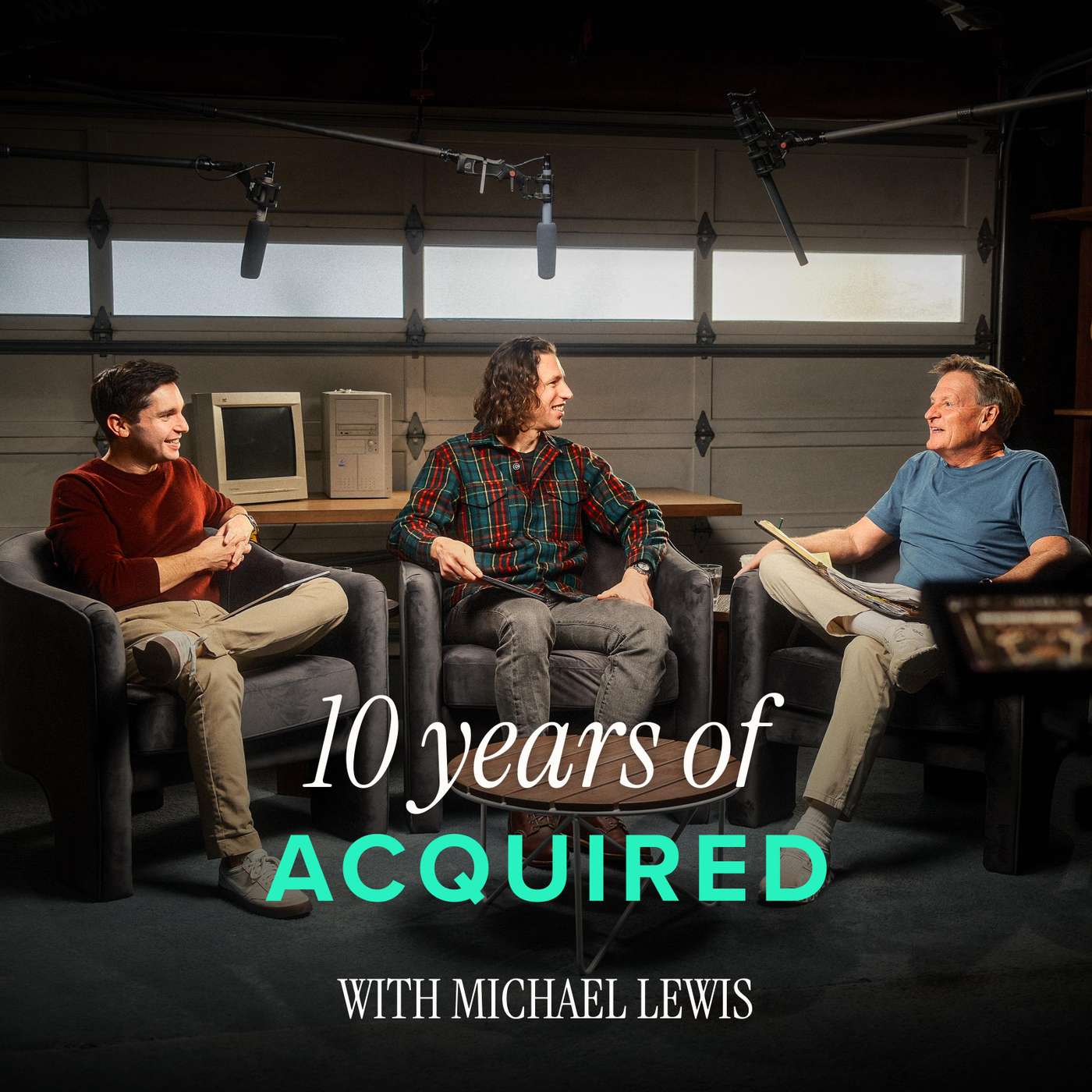
The podcast Acquired strategically avoids sponsors from contentious spaces, like competing venture capital firms, because they don't "feel Switzerland enough." This principle of partnering with neutral, respected leaders ensures their sponsor choices don't alienate listeners or compromise their editorial independence.
A creator's audience will not be upset by attempts to monetize content. However, they will react negatively if the monetization feels inauthentic or compromises the creator's core values. The key is to integrate revenue streams that align with the brand, not just chase any money.
The pursuit of a massive, Joe Rogan-sized audience is a limiting factor in podcasting. The real opportunity lies in niche topics where hosts with deep passion and expertise can cultivate a sustainable audience of 25k-50k listeners, which is sufficient to support an ad-based model.

If your podcast has built brand equity but now serves the wrong audience for your business goals, don't scrap it. Instead, pivot by changing the guest mix. Drastically shift the ratio of guests to reflect your new target demographic while retaining a small number of original-style guests to keep existing listeners engaged.
The 'People by WTF' podcast eschews traditional ads. Instead, it creates value by requiring guests to donate to a charity, with the host matching the contribution. This model builds a brand around philanthropy and shared values rather than direct commercial transactions.

Corporations exhibit a 'floating brand morality,' pulling support for one controversial figure while ignoring another's transgressions. This isn't about principles; it's a calculated decision based on what they believe is most profitable. Their moral stance shifts to protect the bottom line.