Get your free personalized podcast brief
We scan new podcasts and send you the top 5 insights daily.
Don't just read the latest business bestsellers. To develop true judgment, read old books that have stood the test of time on topics you know nothing about (e.g., Roman history, biographies). Time filters out noise, providing pure signal and building diverse mental models for decision-making.

Related Insights
In an age of infinite content, the most powerful filter for quality is time (the Lindy effect). Prioritizing books, art, and ideas that have remained relevant for centuries ensures you are consuming profound, time-tested wisdom rather than transient trends, optimizing your 'mental diet' for depth.

Waiting for perfect data leads to paralysis. A core founder skill is making hard decisions with incomplete information. This 'founder gut' isn't innate; it's developed by studying the thought processes—not just the outcomes—of experienced entrepreneurs through masterminds, advisors, or podcasts.

Top entrepreneurs don't just build a product; they become historians of their domain. They study predecessors, understand market evolution, and learn from past attempts. This deep historical knowledge, seen in founders of Stripe and Airbnb, is a key differentiator and trait of the very best.

According to Naval Ravikant, the purpose of reading isn't information retention. It's about sparking new thoughts and ideas. This mindset removes the pressure to finish every book or remember every detail, reframing reading as a catalyst for original thinking.

Instead of a rigid reading plan, adopt a non-linear approach. Follow footnotes, explore random authors, and jump between books based on intuition. This "wild goose chase" method embraces serendipity and can lead to more profound, interdisciplinary insights than a goal-oriented reading system focused on completion.
A common trait among exceptional founders is a deep, almost academic, understanding of their industry's history. They learn from every past attempt, success, and failure. This historical context allows them to innovate with a unique perspective and avoid the pitfalls that doomed their predecessors, a sign of true commitment and expertise.

Success for a year or even five is common; success for decades is rare and contains unique lessons. Prioritize durability above all else by studying and speaking with people who have maintained high performance over extremely long periods. This provides a filter for timeless, compoundable wisdom.
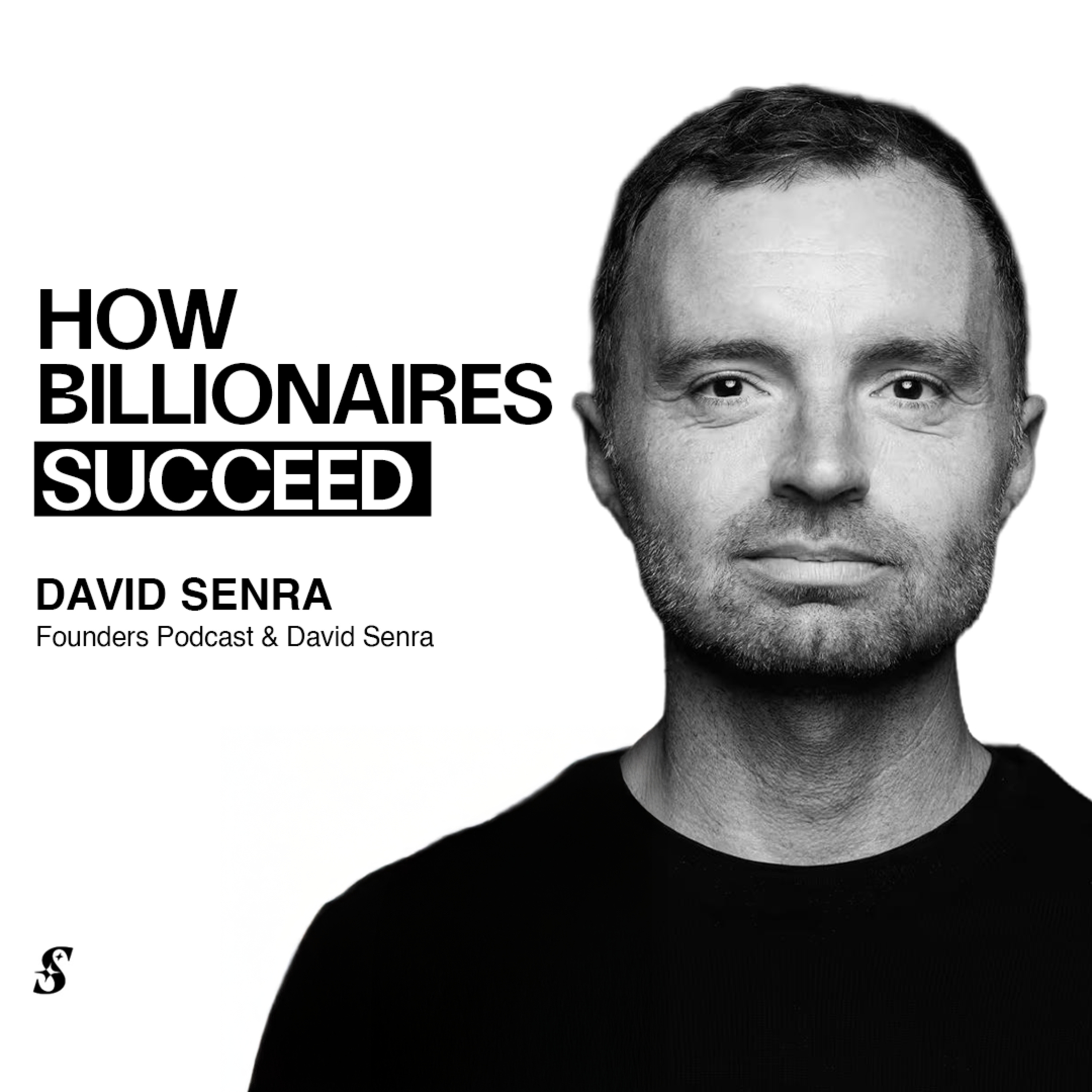
The highest ROI on reading for entrepreneurs isn't broad knowledge, but discovering a single, resonant data point or idea. Founders like Jeff Bezos (2300% internet growth) and Joe Colom (rise in college degrees) built empires not on complex theories, but by acting decisively on one compelling statistic they read.

Truly great ideas are rarely original; they are built upon previous work. Instead of just studying your heroes like Buffett or Jobs, research who *they* studied (e.g., Henry Singleton, Edwin Land). This intellectual genealogy uncovers the timeless, foundational principles they applied.

The quality of your creative output is a direct result of the quality of your inputs. The books, podcasts, and accounts you follow are not passive entertainment; they are actively shaping your future thoughts. To generate better ideas, you must deliberately curate a better information diet.
