Get your free personalized podcast brief
We scan new podcasts and send you the top 5 insights daily.
To encourage repeat buys without creating trendy items, Every Other Thursday releases proven silhouettes in new materials (like a linen version of a pant) or colors. This offers novelty and expands a customer's wardrobe without compromising the core "slow fashion" ethos.

Related Insights
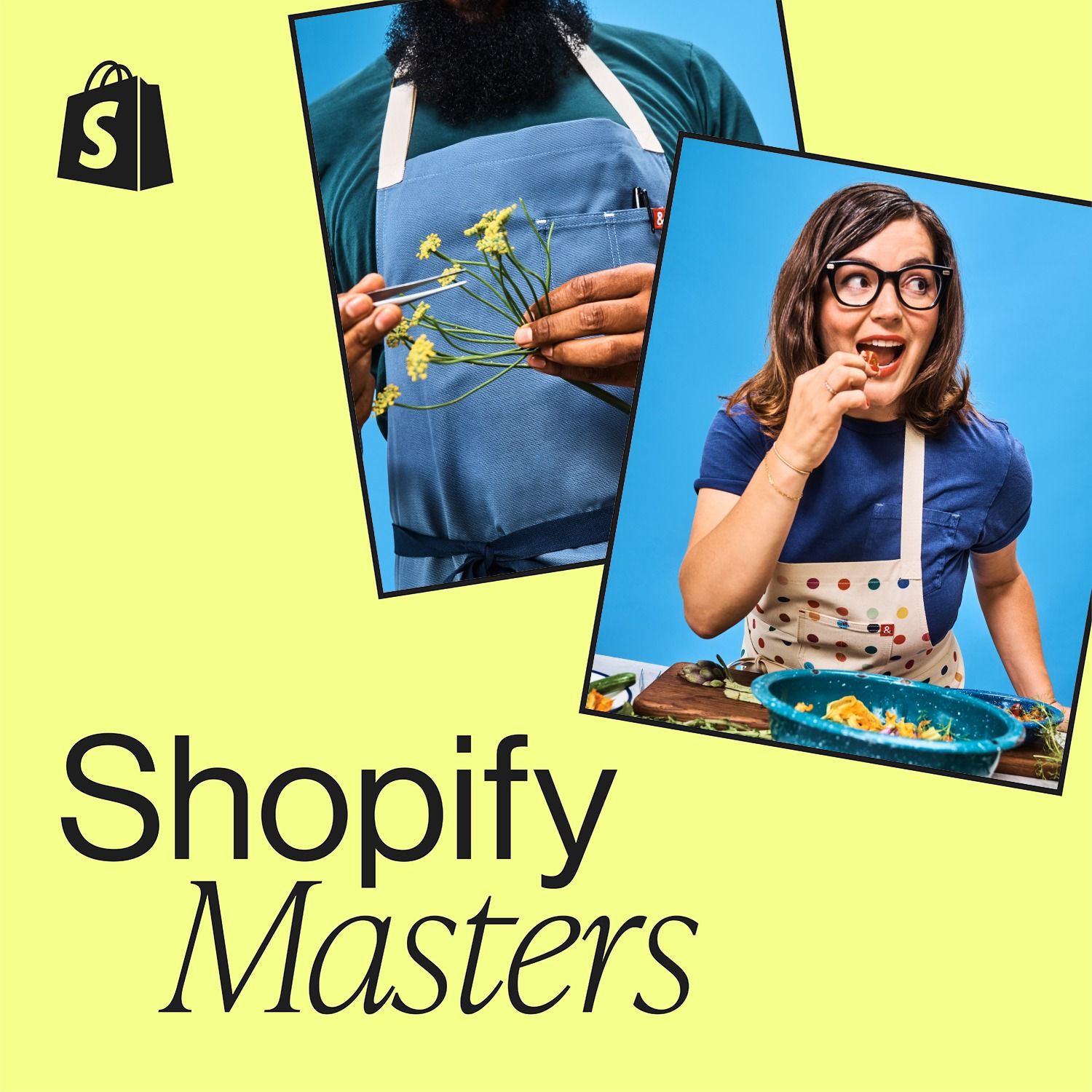
To drive repeat purchases for a durable product, Hedley & Bennett collaborates with diverse brands like the NFL and Grateful Dead. This strategy transforms a utilitarian apron into a status symbol and a form of self-expression, encouraging customers to own multiple versions that reflect their personal identity.
Don't try to force customers to adopt new behaviors, like a boot-buyer purchasing sandals. Instead, focus on encouraging them to buy a second pair, a newer model, or an upgraded version of the product they already love. This audience-focused approach builds on existing loyalty and is far more effective.

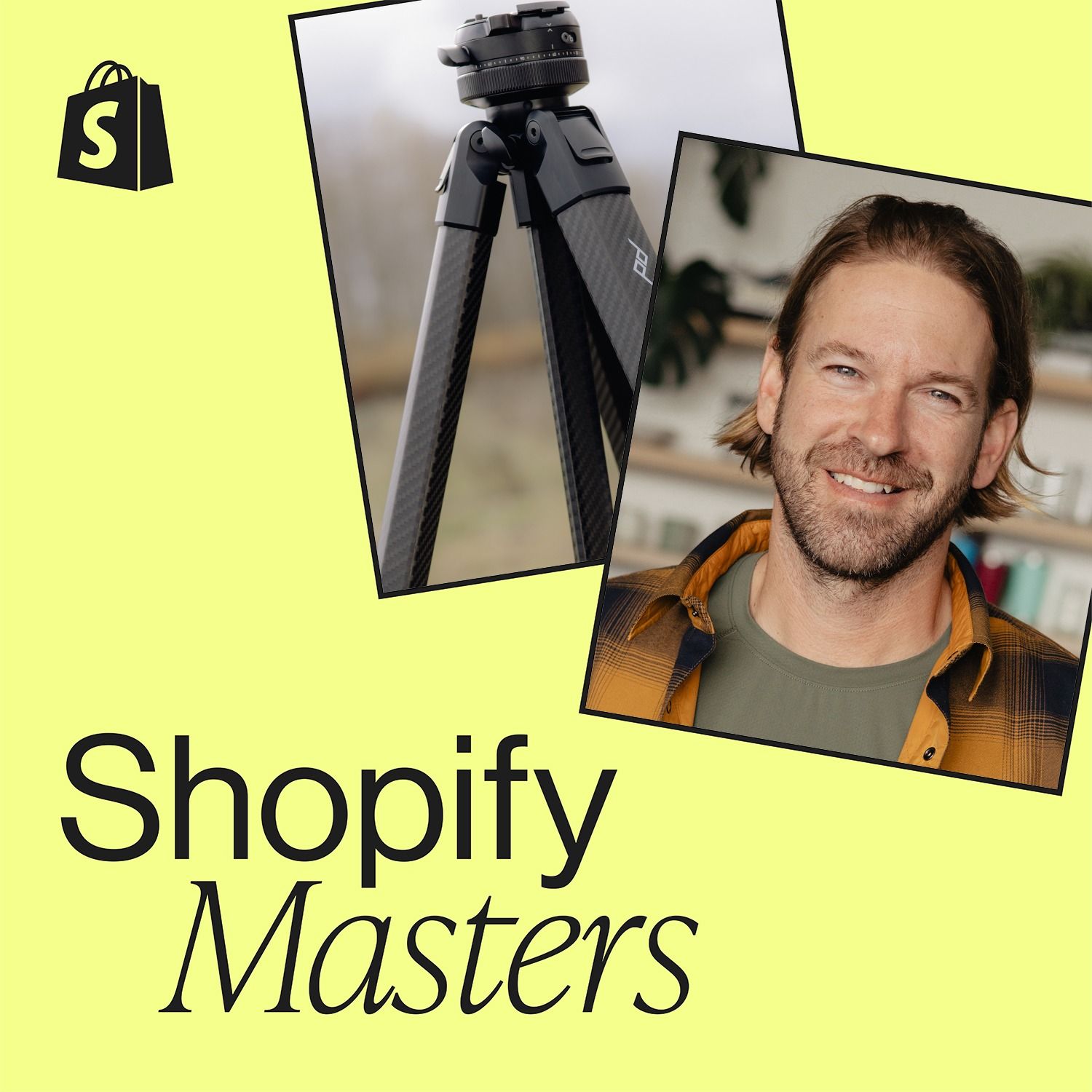
To foster customer lifetime value despite offering a lifetime warranty, Peak Design focuses on horizontal product line extension. Instead of encouraging replacements of existing gear, they introduce new products that solve different problems for their core customer, successfully getting their average customer to own over seven distinct items.
Every Other Thursday aims to create "timeless" clothing that, like a vintage piece from the 80s, will still be desirable decades from now. This long-term "heritage" vision guides their focus on quality materials and classic styles over fleeting trends.
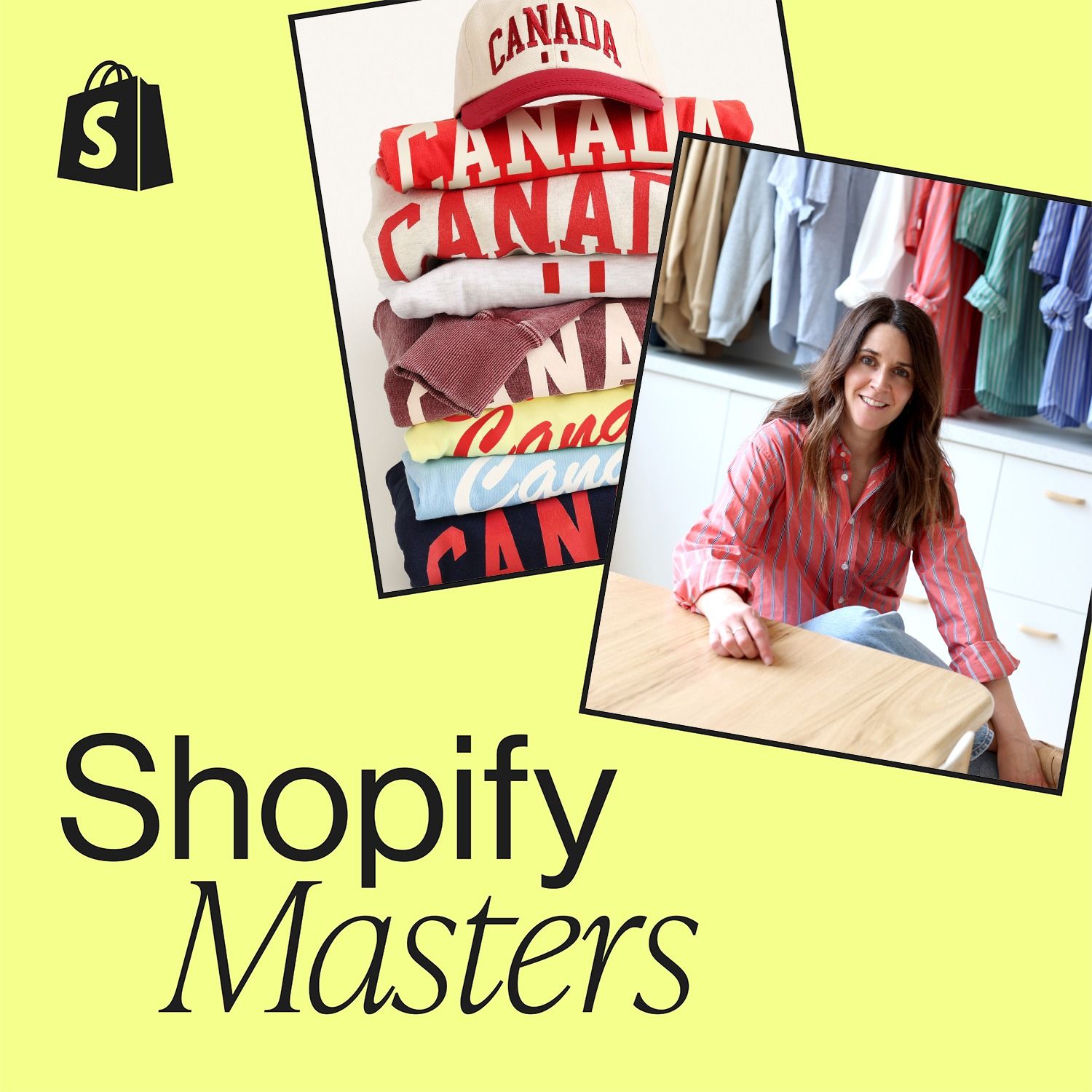
Province of Canada intentionally built an 'anti-fashion' brand by focusing on timeless basics rather than seasonal collections. This simplifies inventory, creates dependable products for customers, and allowed them to avoid the high-pressure, discount-driven wholesale cycle, leading to a more stable business.
Every Other Thursday's founder avoids chasing fashion trends and instead designs only clothes he would wear daily. This "scratch your own itch" approach creates an authentic, focused product line that resonates with customers and simplifies design decisions.
A smart growth strategy is to ignore fleeting micro-trends and instead focus on proven bestsellers. By creating variations and expanding on successful designs, brands can develop entirely new product categories based on existing customer love.
By selling multiple versions of the same album with minor variations like different colors, Taylor Swift employs a strategy called 'versioning.' This tactic transforms a single purchase into multiple sales from the same customer, creating 'super fans' and boosting profit margins. It's a powerful model for any business with a core product.

Uniqlo's global success isn't from following fast fashion trends, but by rejecting them. The company focuses on high-quality, long-lasting basics and innovative functional fabrics like Heattech, creating a universally appealing brand that prioritizes durability and value over fleeting styles.

In the fast-fashion industry, Uniqlo competes by moving slowly. They take a year from design to store, send artisans to factories, and developed their Heattech material over 10,000 prototypes. This focus on quality and timelessness fuels rapid, sustainable growth.
