Get your free personalized podcast brief
We scan new podcasts and send you the top 5 insights daily.
The theory of "creative destruction" suggests recessions can be beneficial by purging unproductive firms and reallocating their resources to more efficient ones. The goal isn't to engineer downturns, but to allow this natural, cleansing process to occur when they happen.
Related Insights
A contrarian view suggests a new political administration might deliberately implement growth-negative policies at the start of a term. This strategy, likened to a new CEO "kitchen sinking" results, clears the deck and establishes a low baseline, making subsequent growth appear more robust.

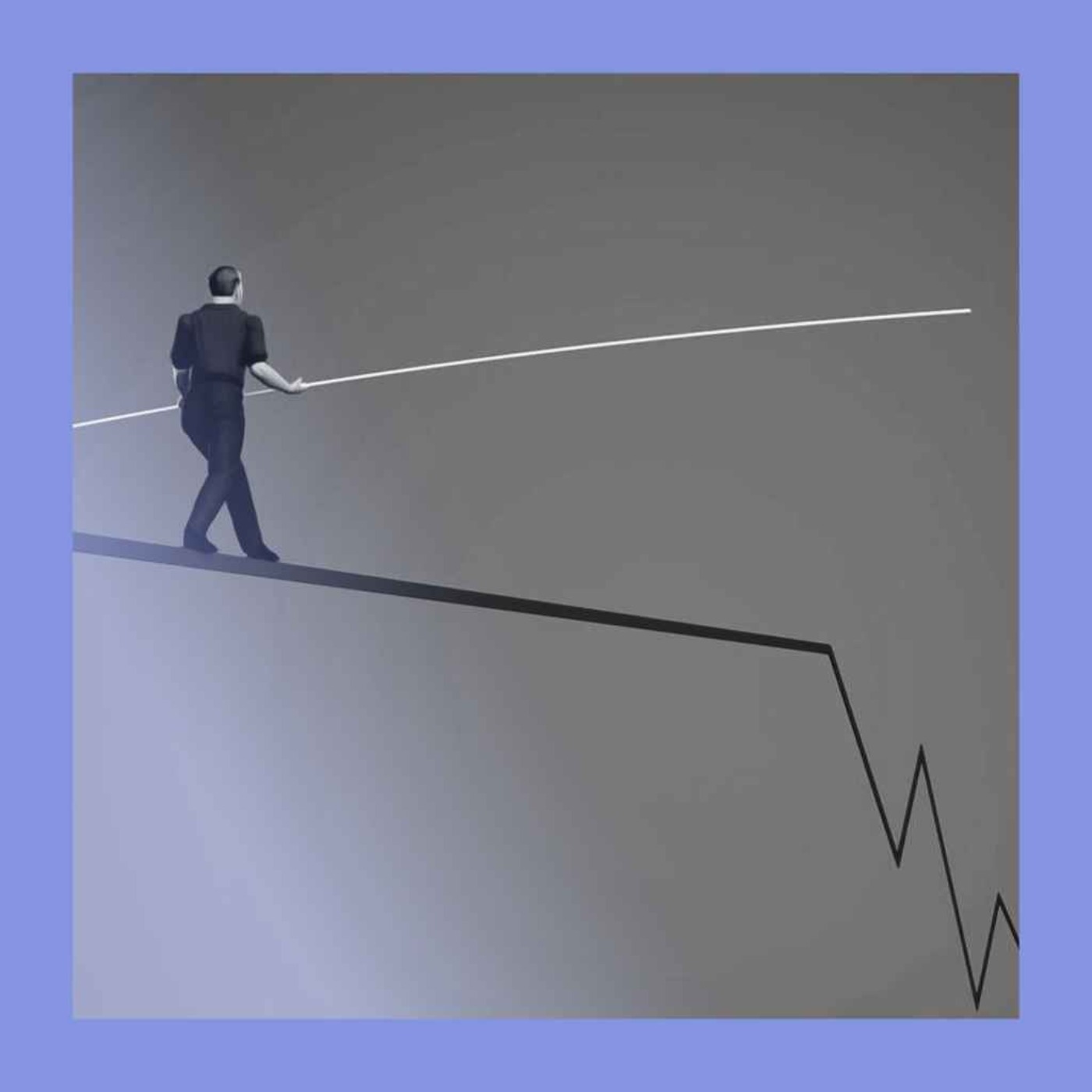
Policies designed to avoid economic downturns at all costs can lead to significant long-term risks. Capital and labor become trapped in inefficient companies that would otherwise fail, hindering productivity growth and creating a less dynamic economy.
A weak economy can be beneficial for a market leader like Floor & Decor. While near-term earnings suffer, the downturn forces weaker competitors without structural advantages into bankruptcy. This ultimately allows the dominant player to capture significantly more market share during the eventual recovery.
Economic downturns, while painful, serve a vital function in tech hubs. They purge the ecosystem of 'tourists' and status-driven individuals who aren't truly committed. This leaves behind a core of dedicated builders, resetting the culture and creating better investment opportunities.
Market stability is an evolutionary process where each crisis acts as a learning event. The 2008 crash taught policymakers how to respond with tools like credit facilities, enabling a much faster, more effective response to the COVID-19 shock. Crises are not just failures but necessary reps that improve systemic resilience.

The best time to launch a company is at the bottom of a recession. Key inputs like talent and real estate are cheap, which enforces extreme financial discipline. If a business can survive this environment, it emerges as a lean, resilient "fighting machine" perfectly positioned to capture upside when the market recovers.
The Great Depression paradoxically created more millionaires than other periods. Extreme hardship forces a subset of people into a "hunger mode" where their backs are against the wall. This desperation fuels incredible innovation and company creation, provided the government clears regulatory hurdles for rebuilding.

Three economists won a Nobel Prize for framing 'creative destruction' as the engine of modern progress. Unlike pre-industrial eras with stagnant growth, the last 200 years have seen constant improvement because society allows new technologies like cars to destroy old industries like horse transport.

The dramatic drop in China's Fixed Asset Investment isn't a sign of economic failure. Instead, it reflects a deliberate government-led "anti-involution" campaign to strip out industrial overcapacity. This painful but planned adjustment aims to create a more streamlined, profitable economy, fundamentally reordering its growth model away from sheer volume.

The U.S. economy's only viable solution to its long-term debt and inflation is a "beautiful deleveraging"—a painful but controlled economic downturn. The alternative is delaying and being pushed off the cliff by market forces, resulting in a much more severe and uncontrolled crash.