Get your free personalized podcast brief
We scan new podcasts and send you the top 5 insights daily.
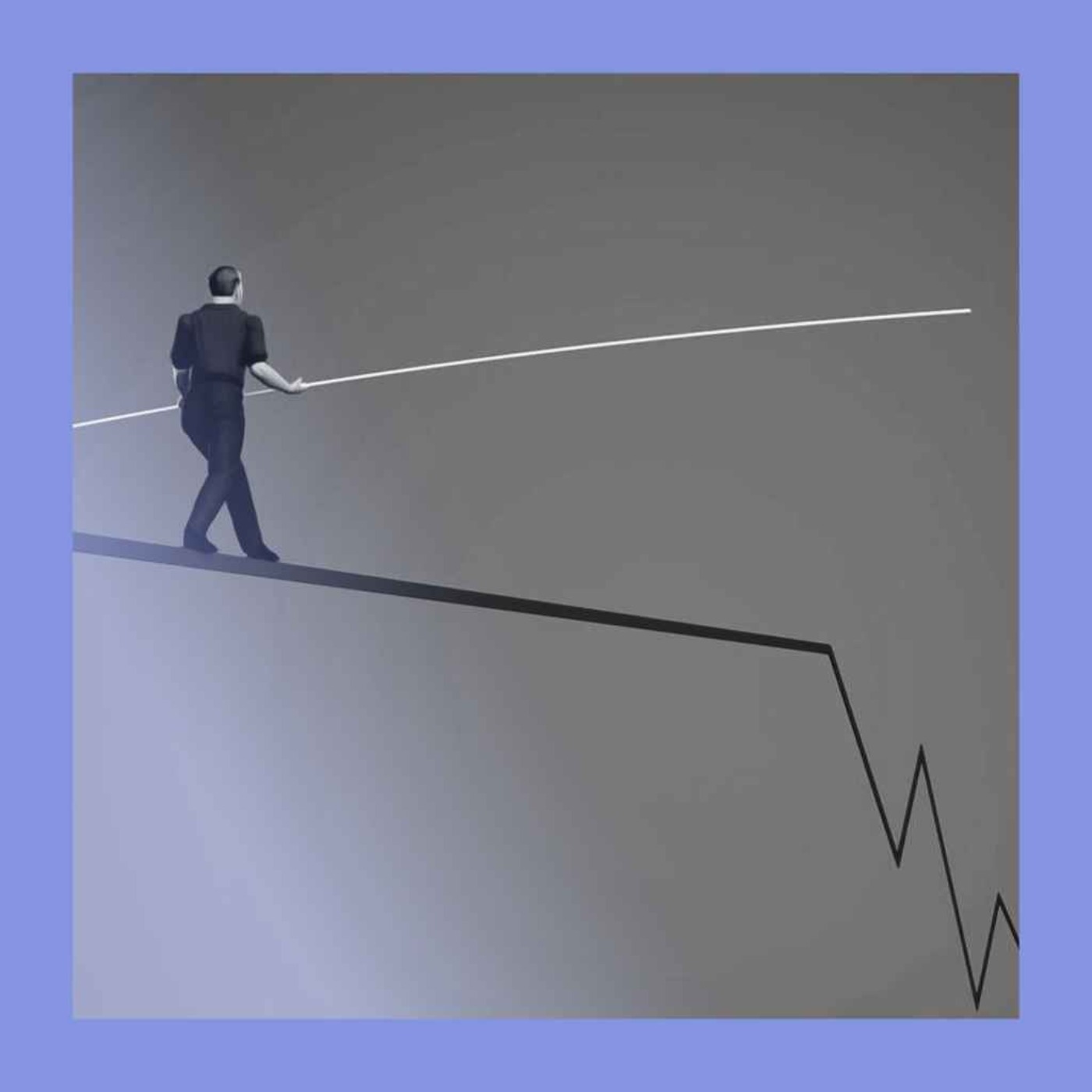
Policies designed to avoid economic downturns at all costs can lead to significant long-term risks. Capital and labor become trapped in inefficient companies that would otherwise fail, hindering productivity growth and creating a less dynamic economy.
Related Insights
The government inevitably acts as an "insurer of last resort" during systemic crises to prevent economic collapse. The danger, highlighted by the OpenAI controversy, is when companies expect it to be an "insurer of first resort," which encourages reckless risk-taking by socializing losses while privatizing gains.

After a decade of zero rates and QE post-2008, the financial system can no longer function without continuous stimulus. Attempts to tighten policy, as seen with the 2018 repo crisis, immediately cause breakdowns, forcing central banks to reverse course and indicating a permanent state of intervention.

When government policy protects wealthy individuals and their investments from the consequences of bad decisions, it eliminates the market's self-correcting mechanism. This prevents downward mobility, stagnates the class structure, and creates a sick, caste-like economy that never truly corrects.

The theory of "creative destruction" suggests recessions can be beneficial by purging unproductive firms and reallocating their resources to more efficient ones. The goal isn't to engineer downturns, but to allow this natural, cleansing process to occur when they happen.
Policies like price caps (e.g., for insulin) or price floors (e.g., minimum wage) that deviate from market equilibrium create distortions. The economy then compensates in unintended ways, such as companies ceasing production of price-capped goods or moving to under-the-table employment to avoid high minimum wages.

Governments with massive debt cannot afford to keep interest rates high, as refinancing becomes prohibitively expensive. This forces central banks to lower rates and print money, even when it fuels asset bubbles. The only exits are an unprecedented productivity boom (like from AI) or a devastating economic collapse.

A government can artificially inflate its jobs numbers and GDP by going on a hiring spree for bureaucratic roles. This growth is illusory, or "phantom," as it's funded by printing money and doesn't contribute to the productive economy. It creates positive short-term metrics but fosters long-term inefficiency.

The money printing that saved the economy in 2008 and 2020 is no longer as effective. Each crisis requires a larger 'dose' of stimulus for a smaller effect, creating an addiction to artificial liquidity that makes the entire financial system progressively more fragile.

The system often blamed as capitalism is distorted. True capitalism requires the risk of failure as a clearing mechanism. Today's system is closer to cronyism, where government interventions like bailouts and regulatory capture protect established players from failure.

When a society attempts to eliminate all risk and shame aggressive competition, it stifles the very forces that drive innovation and growth. This cultural shift from valuing freedom to prioritizing safety makes people docile and anxious, leading to economic stagnation and a loss of competitive edge.