Get your free personalized podcast brief
We scan new podcasts and send you the top 5 insights daily.
Relying on inbound deal flow is like buying a house in a competitive market. The best deals, like off-market real estate, are found through proactive, direct outreach. This "hard work" of building relationships and creating opportunities leads to better terms and less competition.

Related Insights
Effective outreach uses public data to create a unique, valuable insight for the prospect (e.g., "Your building portfolio will face X dollars in fines by 2030 based on this new law"). This earns you the right to a conversation, where the pitch can happen later, rather than being ignored upfront.
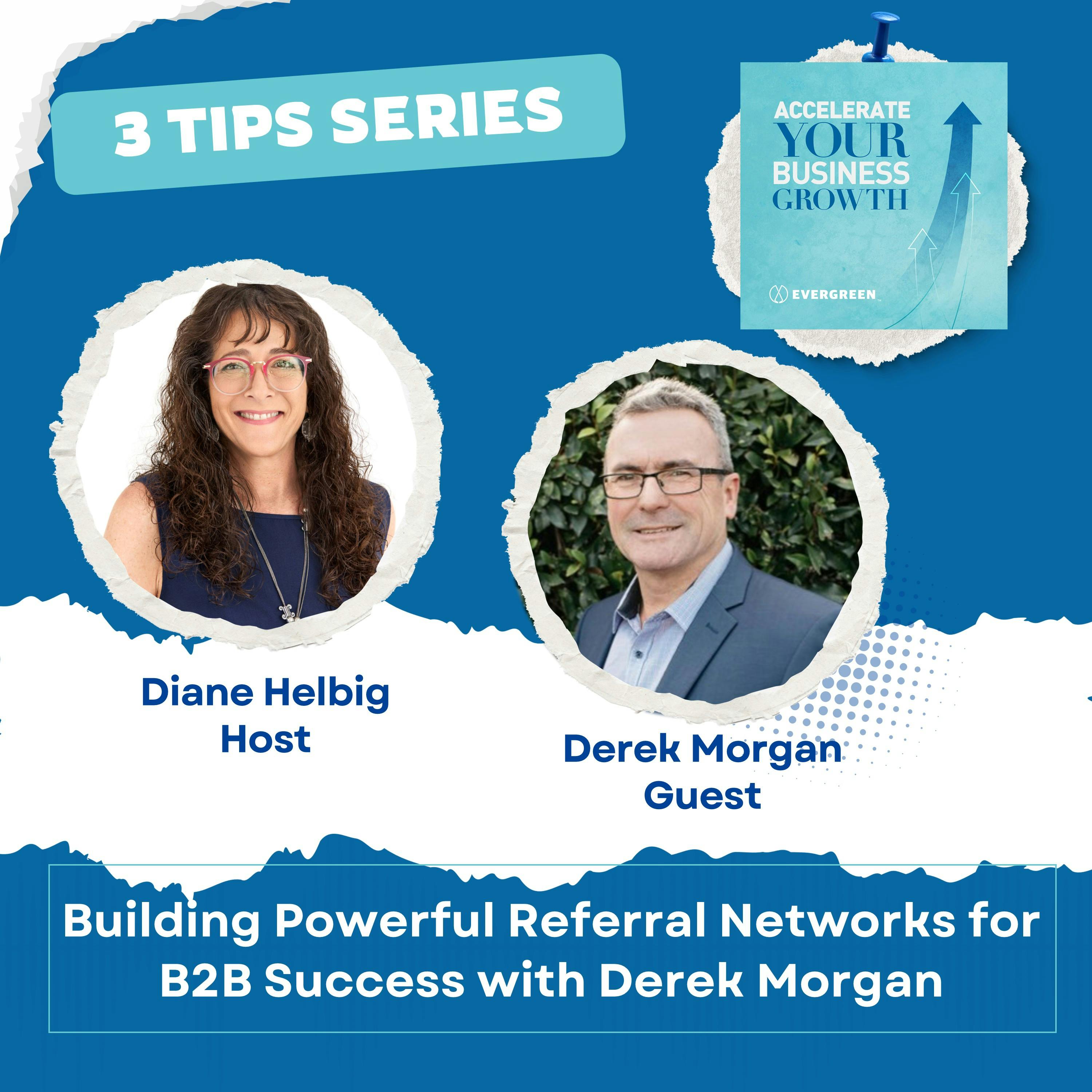
The goal of networking shouldn't be to find your next customer. Instead, strategically identify and connect with potential referral partners. One such partner can become a center of influence, introducing you to hundreds of ideal customers, far outweighing the value of a single transaction.
Before hunting for acquisitions, the internal business owner (deal sponsor) must write a thesis answering "what problem are we solving?" This prevents reactive M&A driven by inbound opportunities and ensures strategic alignment from the start, separating the "why" from the "who."
While every VC has a network, true sourcing edge comes from building a brand and belief system that resonates deeply with founders. This makes founders proactively seek you out, creating a high-quality inbound channel with deals that competitors aren't seeing, allowing a small fund to punch above its weight.
To source proprietary hybrid capital deals, avoid the capital markets teams at PE firms, as their job is to minimize cost of capital. Instead, build relationships directly with individual deal partners in specific industries. This allows you to become a trusted, go-to provider for complex, time-sensitive situations where speed and certainty are valued over price.

Instead of constantly chasing new leads, businesses can find immense growth by deepening existing relationships. A tech company ignored a referral partner for two years, but two follow-up meetings later generated $11.2 million, demonstrating the untapped potential within current networks.
To win highly sought-after deals, growth investors must build relationships years in advance. This involves providing tangible help with hiring, customer introductions, and strategic advice, effectively acting as an investor long before deploying capital.
![David George - Building a16z Growth, Investing Across the AI Stack, and Why Markets Misprice Growth - [Invest Like the Best, EP.450] thumbnail](https://megaphone.imgix.net/podcasts/8da7dbd8-ceeb-11f0-941c-ef83bcdd4c9f/image/d44107bc94719f78fbe91befb141073e.jpg?ixlib=rails-4.3.1&max-w=3000&max-h=3000&fit=crop&auto=format,compress)
As ad costs rise and organic reach declines, B2B businesses should evolve their sales teams. Instead of focusing solely on cold outreach, empower them with the bandwidth and capability to build and manage a systemized network of referral partners. This creates a predictable and more profitable growth engine.
Most VCs "gather" by networking broadly. QED advocates for "hunting": identifying a single, high-conviction company and relentlessly pursuing an investment. This shifts the mindset from passively waiting for inbound leads to proactively targeting the absolute best opportunities long before a formal fundraise begins.

AI outbound tools pull from the same databases, hitting the same people with similar messages. To stand out, go fully manual. Research individuals, send unique, short messages, and target people not in common databases. This "back door" approach is more effective for high-value deals.