Get your free personalized podcast brief
We scan new podcasts and send you the top 5 insights daily.
Venrock partner Brian Roberts states that a 2-3x return, often considered good in other sectors, is poor in biotech. The decade-long timelines and extremely high failure rates necessitate massive "70x" outlier wins to make a fund's investment model viable.

Related Insights
Unlike tech investing, where a single power-law outlier can return the entire fund, biotech wins are smaller in magnitude. This dynamic forces biotech VCs to prioritize a higher success rate across their portfolio rather than solely hunting for one massive unicorn.

Private Equity investors often misunderstand the VC model, questioning the lack of deep due diligence. They fail to grasp that VCs operate on power laws, needing just one investment to return the entire fund, making the potential for exponential growth the only metric that truly matters.
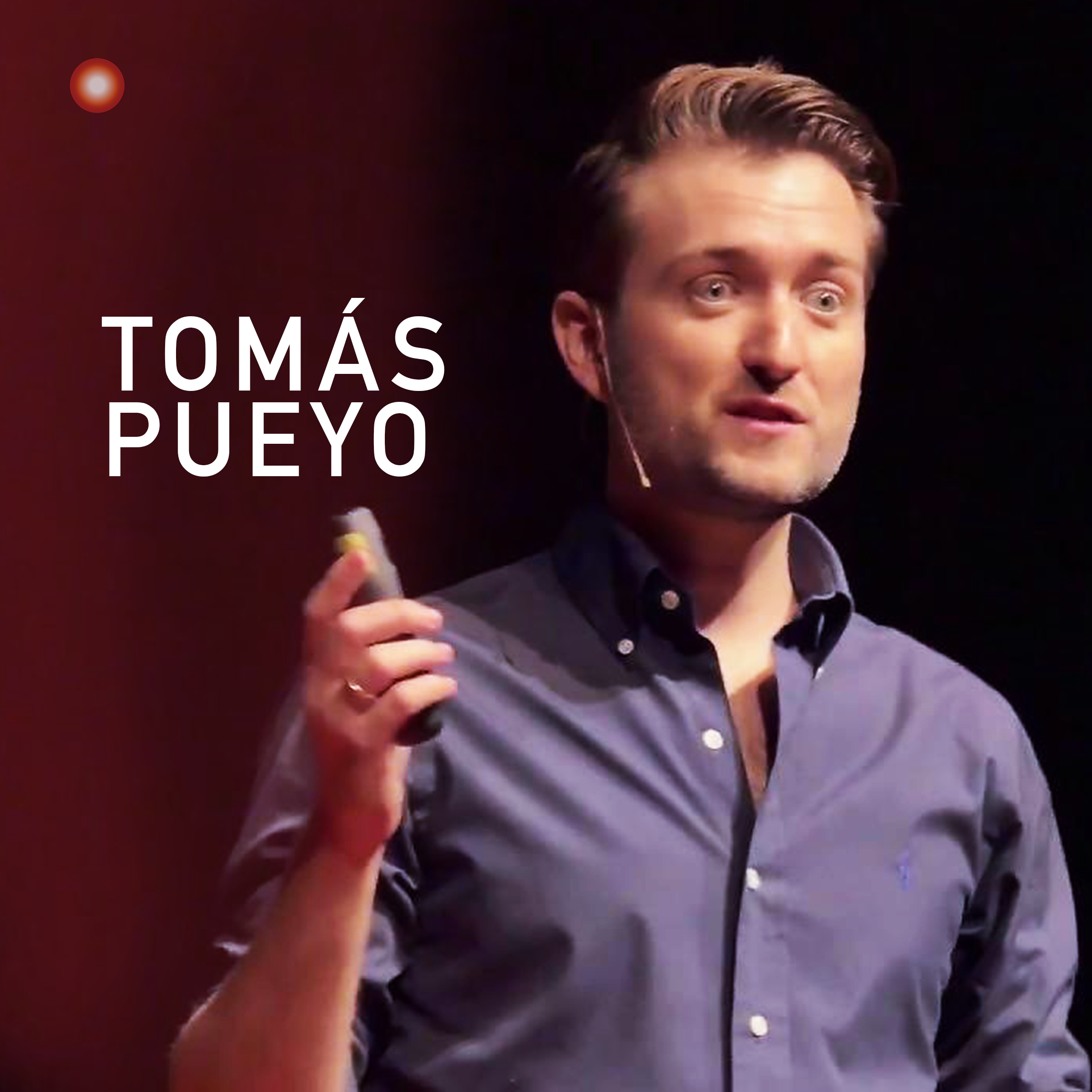
The biggest venture outcomes often take 8-10 years or more to mature. Instead of optimizing for quick IRR, early-stage VCs should embrace long holding periods. This "duration" is a feature that allows for massive value creation and aligns with building truly transformative companies, prioritizing multiples over short-term gains.
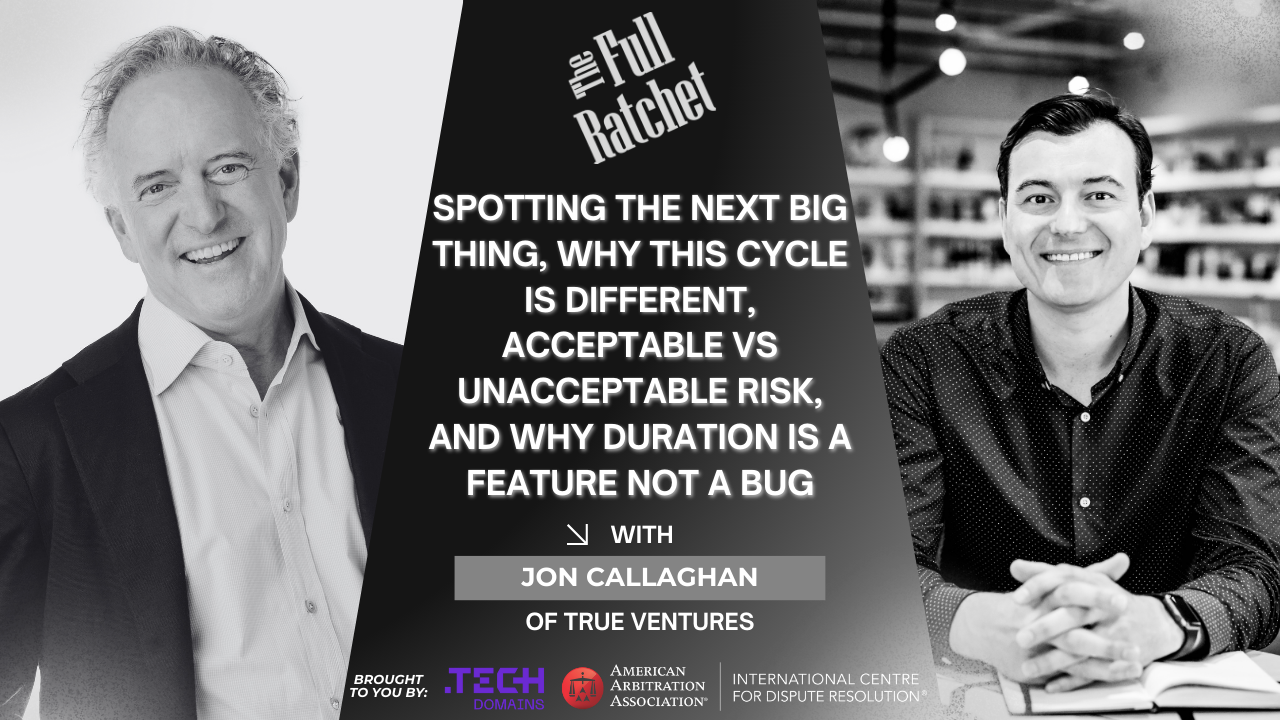
Top growth investors deliberately allocate more of their diligence effort to understanding and underwriting massive upside scenarios (10x+ returns) rather than concentrating on mitigating potential downside. The power-law nature of venture returns makes this a rational focus for generating exceptional performance.

In venture capital, the potential return from a single massive winner (1000x) is so asymmetric that it dwarfs the cost of multiple failures (1x loss). This reality dictates that the primary focus should be on identifying and capturing huge winners, making the failure to invest in one a far greater error than investing in a company that goes to zero.

Emerging VCs miscalculate risk by chasing a "safer" 3x return. The venture model demands asymmetric bets; a 10% chance at a 100x return is superior to a risky 3x, as both could result in a zero. Venture is not private equity.

While many investors focus on annualized returns (CAGR), VCs prioritize the Multiple on Invested Capital (MOIC). Their success hinges on finding investments that return 50x or 100x the initial capital, which can carry an entire fund regardless of how long it takes.
The standard VC heuristic—that each investment must potentially return the entire fund—is strained by hyper-valuations. For a company raising at ~$200M, a typical fund needs a 60x return, meaning a $12 billion exit is the minimum for the investment to be a success, not a grand slam.

VC outcomes aren't a bell curve; a tiny fraction of investments deliver exponential returns covering all losses. This 'power law' dynamic means VCs must hunt for massive outliers, not just 'good' companies. Thiel only invests in startups with the potential to return his whole fund.
The majority of venture capital funds fail to return capital, with a 60% loss-making base rate. This highlights that VC is a power-law-driven asset class. The key to success is not picking consistently good funds, but ensuring access to the tiny fraction of funds that generate extraordinary, outlier returns.
![[REPLAY] Matt Bank - "GEMs" of Risk, Asset Allocation, and Manager Selection (EP.419) thumbnail](https://static.libsyn.com/p/assets/f/b/7/6/fb76e1c8bfb69e8dd959afa2a1bf1c87/CA_Square_logo_light_background_6.26.24.jpg)