Get your free personalized podcast brief
We scan new podcasts and send you the top 5 insights daily.
Game engagement isn't just about winning ('achievement play'). It's often about 'striving play,' where the goal is a tool to generate a compelling experience of struggle. In this mindset, a player can be intensely competitive during the game but ultimately values whether the struggle was interesting, not whether they won.

Related Insights
Chasing only a finite goal (like becoming #1) leads to emptiness after achievement. The solution is to simultaneously pursue an infinite mission—a never-ending purpose. The finite wins provide fuel, while the infinite game provides sustained meaning.

Far from being a passive distraction, video games can be powerful tools for development. Adam Grant cites a large body of evidence showing that gaming actively teaches grit, resilience, self-control, and collaboration as players grapple with failure and work with others to achieve goals.
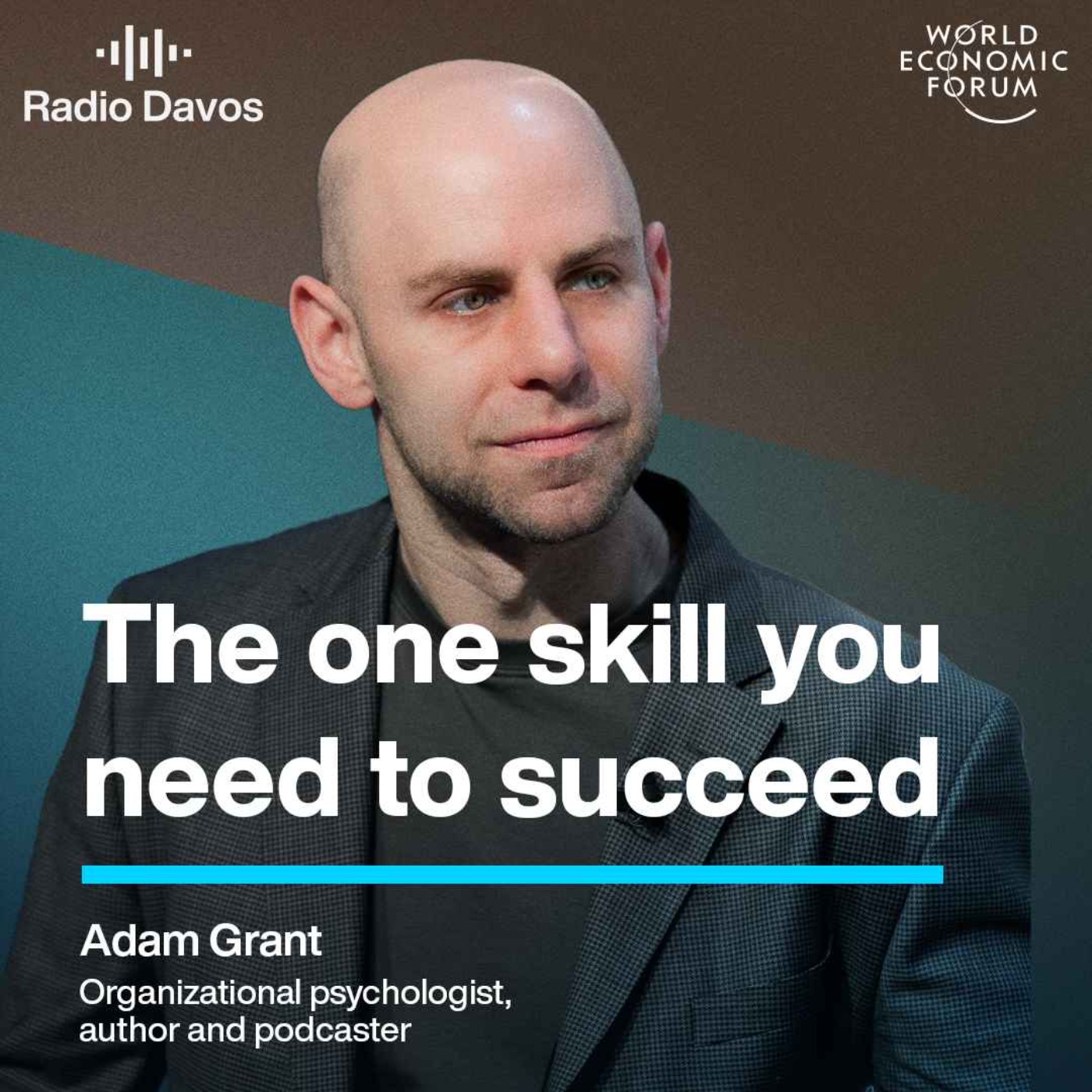
High-achievers struggle with leisure because they can't engage in activities without a goal (a 'telos'). The key to genuine enjoyment is to pursue hobbies "atelically"—for their own sake, without trying to get better or measure progress. This is the difference between a passion and a job.
The true source of fulfillment for high achievers isn't the final victory, which is fleeting. It's the daily engagement with the process—the problem-solving, the learning, the striving. Happiness is found in the pursuit itself, not the moment the outcome is reached.

True satisfaction isn't found in victory but in the struggle itself. Being happy with losing is a superpower because it means you're genuinely committed to the process, not just the fleeting high of a win. This mindset builds resilience and ensures continuous engagement, regardless of the outcome.

For play to trigger neuroplasticity, it requires a specific neurochemical state: high endogenous opioids combined with low adrenaline. When stakes are too high or competition is too intense, the resulting adrenaline spike inhibits the very circuits that make play a powerful tool for learning and brain rewiring.
Kobe Bryant framed his performance not as winning or losing, but as an opportunity to "figure things out." This curiosity-driven mindset relieves pressure, anchors you in the present, and makes it possible to enter a flow state, proving more sustainable than fixating on outcomes.

Type-A individuals tend to turn recreational hobbies into performance-based tasks, creating more stress. Choosing activities with subjective outcomes, like dance or yoga, instead of win/lose games helps focus on the experience rather than mastery.
Contrary to the classic view of games as competitive, modern player data shows that motivations like self-expression and companionship are far more prevalent. Riot Games' success with cosmetic skins exemplifies the financial power of catering to this new hierarchy of player needs.

The challenge in designing game AI isn't making it unbeatable—that's easy. The true goal is to create an opponent that pushes players to an optimal state of challenge where matches are close and a sense of progression is maintained. Winning or losing every game easily is boring.
