Get your free personalized podcast brief
We scan new podcasts and send you the top 5 insights daily.
Author Ann Patchett advises writers to revise a story, perfect it, and then throw it away to start a new one. This practice forces the creator to focus on the true end game—becoming better at the craft—rather than the immediate gratification of publishing.

Related Insights
Failing to release your finished work does more than delay a single project; it creates a creative bottleneck. Like writing the same diary entry for years, it prevents you from moving forward, robbing your next potential works of the opportunity to be brought to life.

The VFriends team embraces killing ideas, even after hours of development. This leverages sunk costs to make better decisions. The time invested isn't wasted; it provides the necessary context to recognize a dead end and pivot effectively.

Like meditation, writing is a process for understanding one's own mind, not just a means to an end. The goal is the insight that emerges during the act, not the polished artifact. Adopting practices like Julia Cameron's "morning pages" and even recycling the journals decouples writing from performance pressure.

The fastest path to creating high-quality work is through prolific creation, not perfectionism. Like a ceramics class graded on volume, producing more content provides the necessary practice and feedback to rapidly improve your skills.

Many writers view editing as a chore. Nick Thompson, CEO of The Atlantic, argues the opposite: editing is where the most creative work occurs. This is the phase where you confront core questions about audience, structure, and clarity, transforming raw ideas into a polished, impactful piece of communication.
Don't let the fear of a bad initial idea paralyze you. Progress from zero to one requires starting somewhere, even if it's terrible. This initial, flawed artifact is what "starts the snowball rolling down the hill," enabling the iterative process that ultimately leads to a great outcome.

The pressure to achieve a perfect outcome can be paralyzing. Steve Kamb overcame this while writing his book by consciously letting go of the result. This "pre-acceptance" of any outcome—good or bad—shifts focus from uncontrollable results to the controllable process, unlocking action.
Perfectionism paralyzes creators. The most effective path to creating high-quality, engaging content is to first produce a large volume of work. Each post serves as practice and an experiment, with iterative improvements from one to the next ultimately leading to excellence.

Instead of seeking feedback on a finished manuscript, authors can use a "writer's room" mid-process. Assembling a group to brainstorm and challenge plot points leads to a better final product because the author is less attached to the material and more open to fundamental changes.
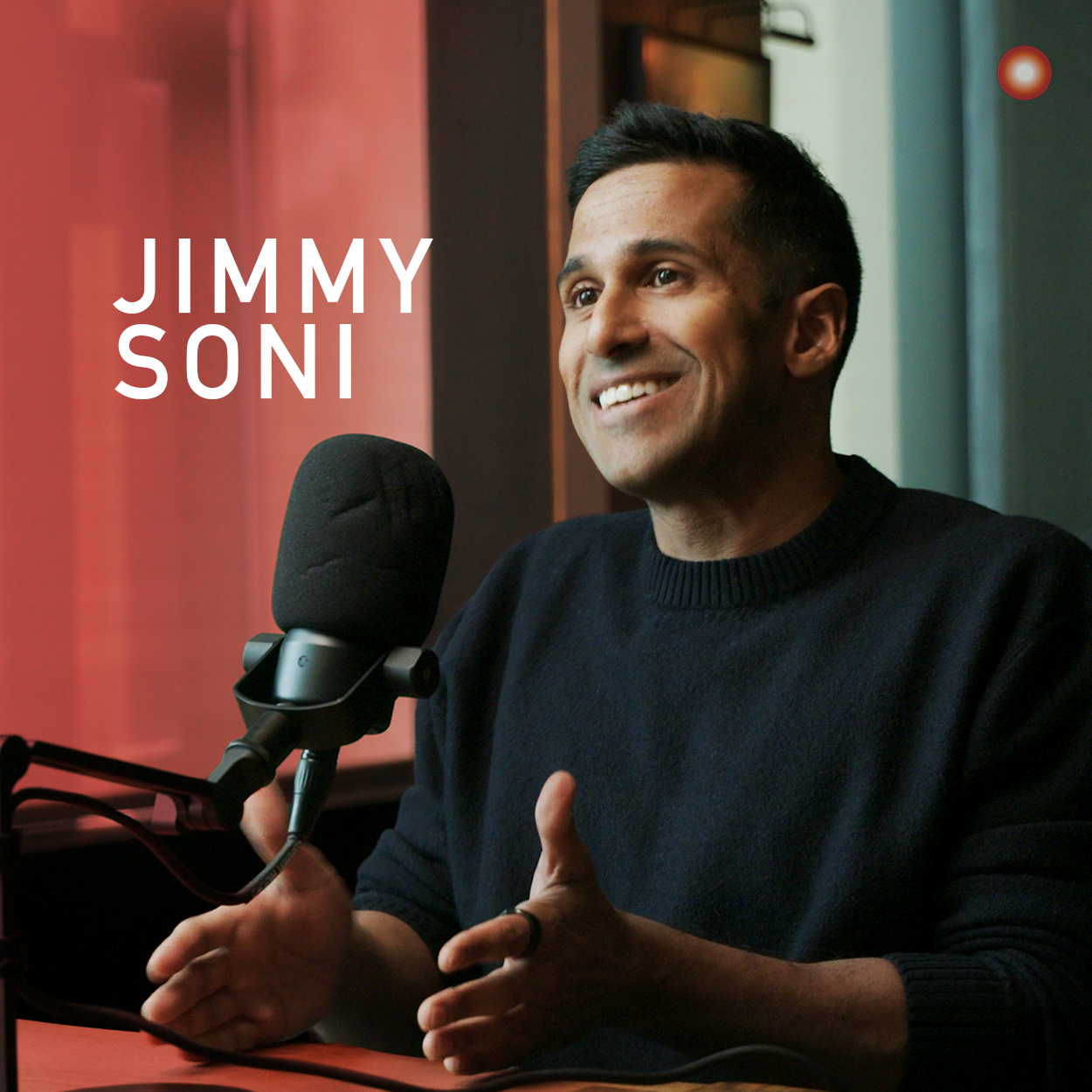
Instead of striving for perfection, the key to overcoming creative blocks is to allow yourself to create subpar work. Acknowledging that 80-90% of an initial draft will be discarded lowers the stakes and makes it easier to begin the creative process.