Get your free personalized podcast brief
We scan new podcasts and send you the top 5 insights daily.
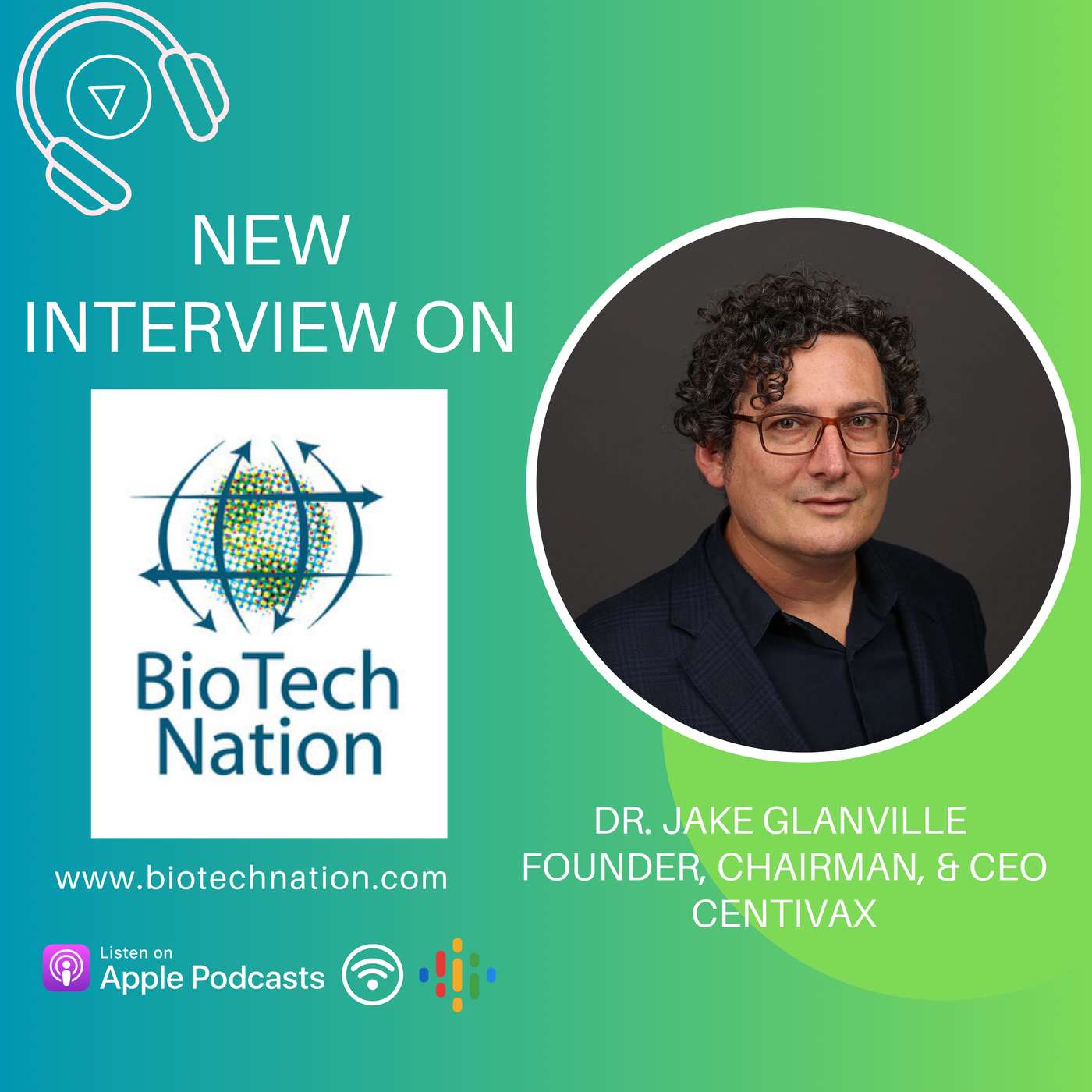
Dr. Glanville hypothesized that the "Achilles' heel" concept from universal virus vaccines—targeting conserved parts—could also apply to snake venom. This cross-pollination of ideas from virology to toxicology was the foundational insight for the entire project, proving that core biological principles can be transferred across disciplines.
Related Insights
Unlike traditional approaches, Immunethep's vaccine doesn't kill bacteria. Instead, it neutralizes a virulence mechanism bacteria use to shut down the immune system. This restores the body's natural ability to fight infection, a novel strategy analogous to checkpoint inhibitors in oncology.
![Solving Antimicrobial Resistance, Vaccines, Antibiotics | Immunethep 🇵🇹 | E55 [Sponsored] thumbnail](https://d3t3ozftmdmh3i.cloudfront.net/staging/podcast_uploaded_episode/38602414/38602414-1775472100828-2b361bd18cd64.jpg)
Contrary to the popular belief that antibody development is a bespoke craft, modern methods enable a reproducible, systematic engineering process. This allows for predictable creation of antibodies with specific properties, such as matching affinity for human and animal targets, a feat once considered a "flight of fancy."

Tackling monumental challenges, like creating a biologic effective against 800+ HIV variants, is not a single-shot success. It requires multiple iterations on an advanced engineering platform. Each cycle of design, measurement, and learning progressively refines the molecule, making previously impossible therapeutic goals achievable.
The journal 'Cell' rejected an initial paper not for being wrong, but for lacking ambition. An editor challenged the team to build the full, broad-spectrum antivenom they theorized was possible. This feedback forced them to take a calculated risk that resulted in a far more impactful breakthrough, turning a potential setback into a catalyst.
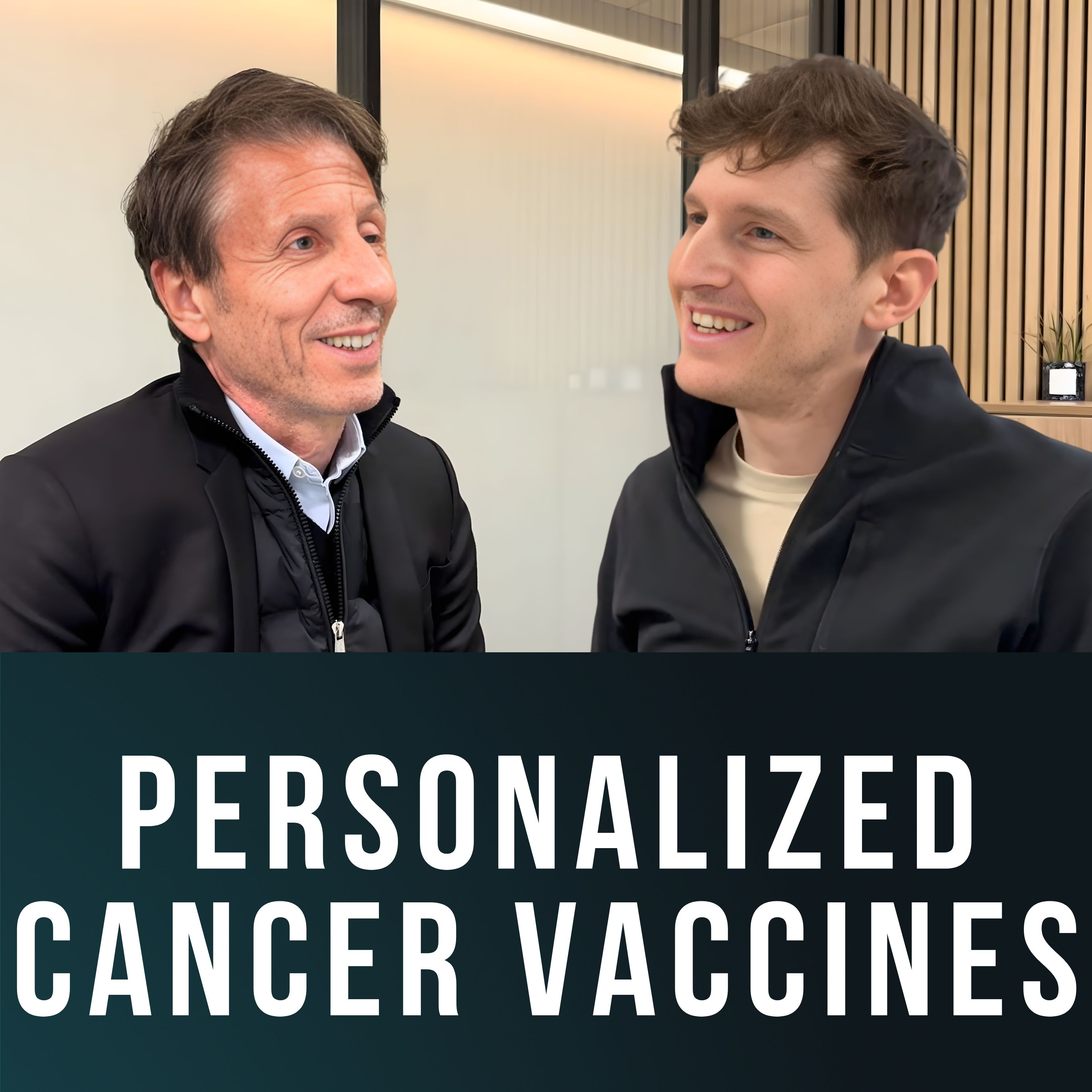
Transgene pivoted from "off-the-shelf" to individualized cancer vaccines not by starting over, but by leveraging its deep, four-decade-long expertise in viral vectors and payload integration. This highlights how legacy know-how can be a critical asset in strategic company shifts.
Before committing major resources, Dr. Glanville performed a critical experiment: testing Tim Freedy's blood against venoms he'd *never* encountered. When the blood reacted, it confirmed the existence of cross-reactive antibodies, validating the entire "universal antivenom" hypothesis from the outset and de-risking the project.
Traditional antivenom requires refrigeration and IVs, making it useless in remote villages. By creating a stable, freeze-dried product from a few human antibodies, Centivax designed an "EpiPen for snakebite" that eliminates the cold chain, dramatically increasing accessibility where it's needed most.
R&D leaders can work across diverse fields like immunology and dermatology by mastering fundamental principles. Skills like effective clinical trial design and objective, data-driven decision-making are universal, allowing an expert to pivot and add value in any new therapeutic area.

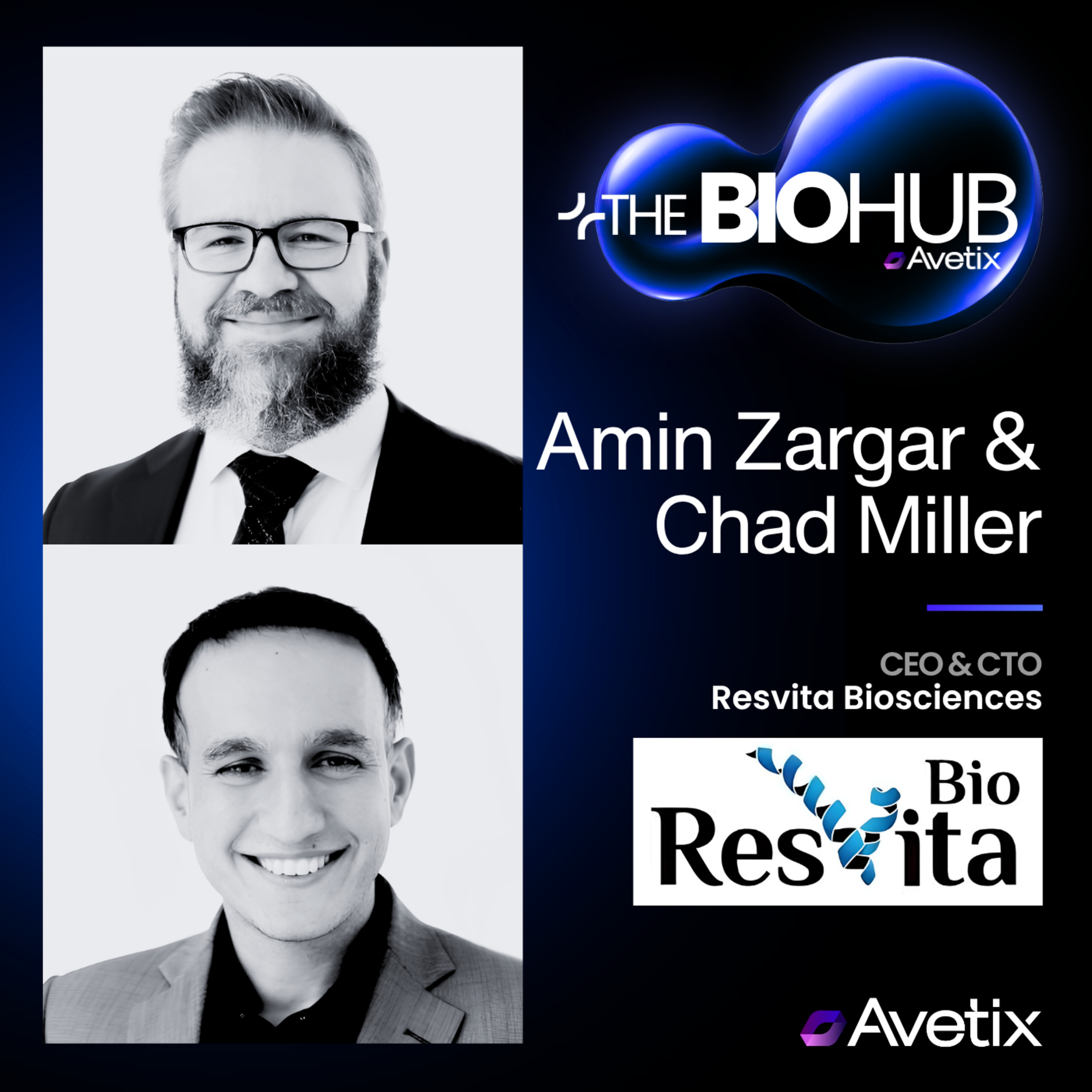
Resvita Bio's approach isn't about creating proteins from scratch. Instead, they use machine learning to 'read the book of life comprehensively,' analyzing how different organisms have evolved to solve the same biological problem. This allows them to synthesize nature's best solutions into an ideal therapeutic protein.
All therapeutic discoveries fall into two types. The first is a biological insight, where the challenge is to find a way to drug it. The second is a technical advancement, like a new platform technology, where the challenge is to find the right clinical application for it. This clarifies a startup's core problem.
