Get your free personalized podcast brief
We scan new podcasts and send you the top 5 insights daily.
To get into major retailers, MadeGood agreed to complex and inefficient requests that competitors rejected, such as a multi-product 'pizza box'. This willingness to solve a retailer's problem, even at a high operational cost, was a key strategy for gaining initial market entry and partnerships.

Related Insights
Instead of being deterred by retailers saying "no," the Murray brothers used rejection as a signal to learn. They spent time in the stores that rejected them, doing tasks like stocking shelves, which allowed them to understand the business and earn the retailers' respect and eventual partnership.
When launching an innovative product, approach major retailers by framing it as the anchor of a completely new category you can help them build. This elevates your company from a mere supplier to a strategic partner and category leader.
MadeGood's founders intentionally used private label and contract manufacturing revenue to cover overhead and invest in their own brand. This provided the necessary cash flow for growth without giving up equity, acting as an internal, non-dilutive funding source.
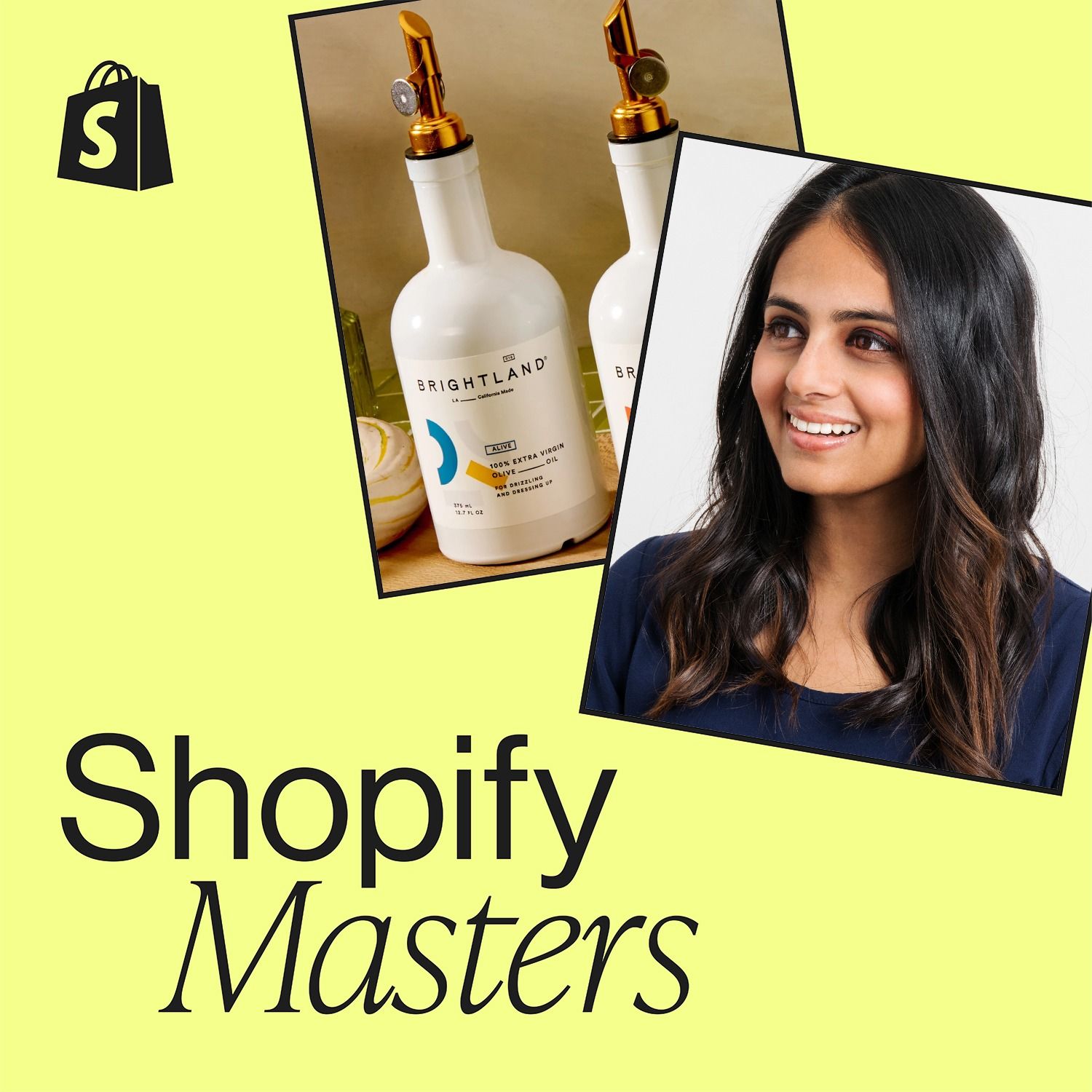
Resist the allure of early, large-scale retail offers. Brightland deliberately delayed partnerships with national retailers until their supply chain was prepared. The founder must also personally become an expert in the complexities of retail; it cannot be fully delegated.
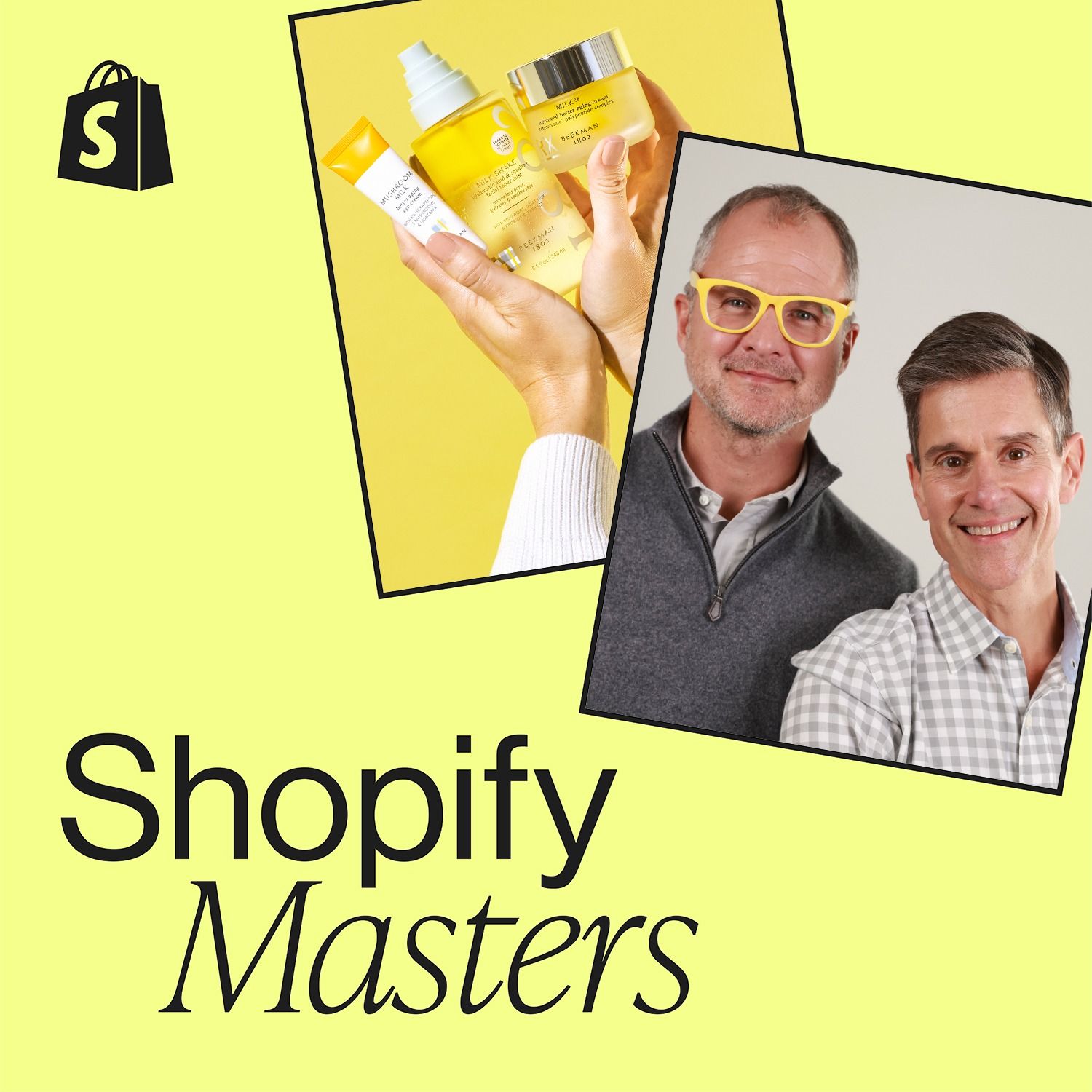
Rather than viewing retail partners as mere buyers, Beekman 1802 treated them as strategic consultants. They actively asked for guidance on scaling production, finding labs, and co-manufacturers, leveraging the retailer's expertise and vested interest in their success.
To overcome skepticism about takeout cups, Kroc didn't argue. He offered a free supply of cups and lids to one store for a month. This zero-risk trial allowed the concept to prove itself, turning a reluctant manager into an enthusiastic advocate and creating a self-expanding account.
![How McDonald’s Took Over America | Ray Kroc [Outliers] thumbnail](https://megaphone.imgix.net/podcasts/d0322c9e-fafe-11f0-9d3a-33cd8954a249/image/b6e608ebb74a48e538e9a5b28089e4e7.png?ixlib=rails-4.3.1&max-w=3000&max-h=3000&fit=crop&auto=format,compress)
Rejection from Adidas and Puma forced Dick's to partner with an unknown Nike, which became a huge growth driver. Similarly, being strong-armed into selling apparel revealed a highly profitable new category. This shows that external constraints and unwanted demands can accidentally steer a business toward its biggest opportunities.
![Ed Stack: Lessons from Dick’s Sporting Goods [Outliers] thumbnail](https://megaphone.imgix.net/podcasts/2e1ece1e-9418-11f0-a293-fbf26a5641f7/image/c326da117a8c3f34b0eb64d2cab694ad.png?ixlib=rails-4.3.1&max-w=3000&max-h=3000&fit=crop&auto=format,compress)
Promote IQ succeeded by targeting large retailers, a market other startups avoided due to its notoriously difficult and long sales cycle. They turned this pain point into a strategic advantage. By mastering the difficult sales process, they created a high barrier to entry that gave them time and space to dominate the category before competitors could catch up.

When the distributor UNFI required a 30-40 store minimum, Justin Gold bypassed them by offering direct delivery and shelf-stocking services to a single Whole Foods store. This "do things that don't scale" approach got his foot in the door at a key retailer.
Instead of using a co-packer, MadeGood built its own factory. This costly move was essential for guaranteeing their 'allergen-free' promise, allowing them to control the entire supply chain and manufacturing process, which provided peace of mind and brand integrity.