Get your free personalized podcast brief
We scan new podcasts and send you the top 5 insights daily.
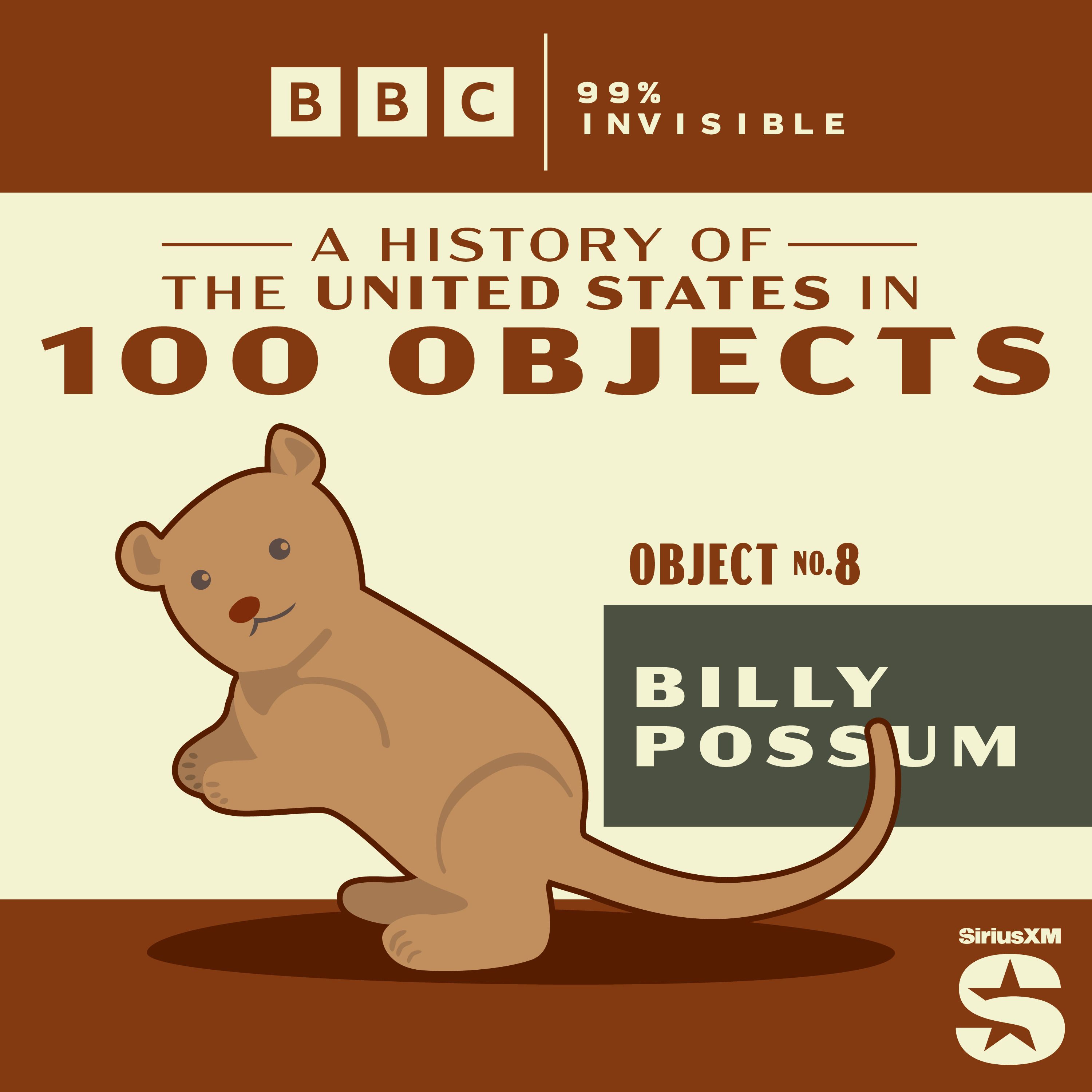
The "Billy Possum" toy, meant to be President Taft's "Teddy Bear," failed because its origin story lacked emotional resonance. Taft simply ate a possum at a banquet. This lacked the Teddy Bear's compelling narrative of mercy, guilt, and a shifting human-nature relationship.
Related Insights
To truly change a brand's narrative, marketing's 'talking the talk' is insufficient. The product experience itself must embody the desired story. This 'walking the walk' through the product is the most powerful way to shape core brand perception and make the narrative shareable.

Even with verifiable, peer-reviewed science, a brand's success hinges on translating complex technical details into a simple, emotionally compelling story. Aramore's CEO admits that having "the real science" is only half the battle; the "unlock" is the storytelling.

When Richard Branson's hot air balloon crashed trying to cross the Atlantic, he viewed it as a superior marketing event. The story had tension, high stakes, and a memorable visual of the "Virgin" logo sinking. This illustrates that stories of struggle and failure are often more engaging and human than simple success narratives.

The founder of Billy Bob's Teeth, a gag gift, reframed his product as a "permission slip for people to be silly." This strategy gives a trivial product a deeper, more compelling purpose by connecting it to a fundamental human desire. This elevates the brand and makes the product more than just a novelty item.

The toy bear became a hit not just because of President Roosevelt, but because a newly urbanized America felt conflicted about its brutal eradication of megafauna. The teddy bear embodied a cultural shift from fearing nature to wanting to protect a tamed version of it.
The polar bear was an effective climate symbol because its story mirrored the Teddy Bear's. A once-feared, powerful predator was now reframed as a helpless victim of human activity, triggering the same cycle of guilt and empathy that made the original toy a cultural phenomenon.
In high-stakes product decisions, data alone is insufficient to persuade senior leaders. A compelling narrative that taps into emotions and vision is more effective. The better story, even with less supporting data, will often win against a data-dump because decisions are both rational and emotional.

Customers connect with stories that explain why a product matters, not just what it does. Technologists tend to list features, but true product storytelling involves obsessively refining the narrative around the human benefit and journey, as Steve Jobs did for the iPhone.

A brand's marketing narrative should focus on the underlying emotional experience it provides, such as "family time" for a puzzle company. This single, powerful theme can unite a diverse portfolio of products under one compelling story, creating a stronger brand identity than marketing individual product features.

A handbag made from lab-grown T-Rex leather failed at auction because its story was confusing. Buyers couldn't agree if it was a 67-million-year-old relic or a months-old lab creation. This ambiguity undermined its perceived value and provenance. For ultra-luxury goods, a clear, consistent, and compelling narrative is as crucial as the product itself.
