Get your free personalized podcast brief
We scan new podcasts and send you the top 5 insights daily.
A handbag made from lab-grown T-Rex leather failed at auction because its story was confusing. Buyers couldn't agree if it was a 67-million-year-old relic or a months-old lab creation. This ambiguity undermined its perceived value and provenance. For ultra-luxury goods, a clear, consistent, and compelling narrative is as crucial as the product itself.

Related Insights
To truly change a brand's narrative, marketing's 'talking the talk' is insufficient. The product experience itself must embody the desired story. This 'walking the walk' through the product is the most powerful way to shape core brand perception and make the narrative shareable.

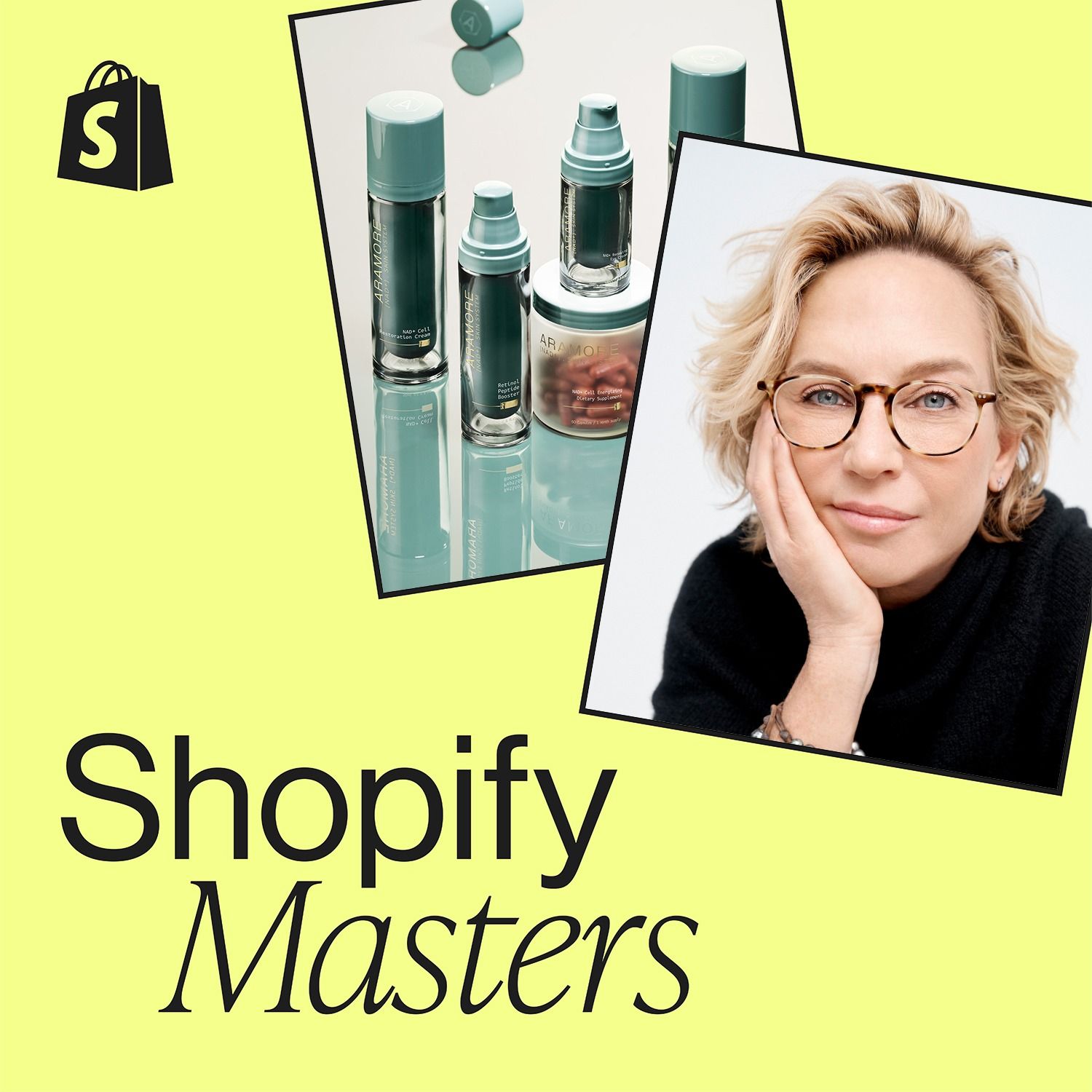
Even with verifiable, peer-reviewed science, a brand's success hinges on translating complex technical details into a simple, emotionally compelling story. Aramore's CEO admits that having "the real science" is only half the battle; the "unlock" is the storytelling.
Luxury skincare brand La Mer justifies its $400 cream by claiming a DJ plays music to its key kelp ingredient to 'activate' it. This scientifically dubious narrative creates mystique and viral buzz. It demonstrates that for premium brands, a compelling, unique, and even absurd story can be a more valuable marketing asset than proven product efficacy.

For a century, Rolls Royce refused to state its cars' horsepower, simply calling it 'sufficient.' This masterful branding strategy elevated the company above competitors arguing over specs. It demonstrated that true luxury is about assumed excellence and mystique, not quantifiable data, reinforcing the idea that 'where there is mystery, there is margin.'
The market for dinosaur fossils among the ultra-wealthy is not just about collecting; it's a status-driven market with a clear brand hierarchy. A Tyrannosaurus Rex is positioned as the "Ferrari" of dinosaurs—the ultimate, most desirable status symbol—while other species like the Stegosaurus are seen as aspirational but secondary.

While most brands crave being name-dropped in a hit song, it can damage an exclusive brand like Hermès Birkin. Exposure from a popular song mainstreamed the $25,000 bag, violating the core luxury rule that accessibility and aspiration don't mix. True luxury buyers seek mystique, not memes.
For sophisticated consumers, branding based on unsubstantiated luxury materials can create skepticism. A marketing message focused on scientific proof, tangible benefits, and performance can be more compelling and build greater trust, especially for a high-price-point product.

For design-focused businesses, pursuing patents and fighting every copycat is often a losing battle. A better defense is to continually innovate and build an authentic brand story and customer experience, as these are far more difficult for competitors to replicate than a visual design.
In high-growth B2B, brand inconsistency's negative effects follow a specific sequence. It starts externally with a weakened market position, which then creates internal employee confusion. This confusion ultimately leads to tangible business losses, such as lost sales deals, making it a lagging indicator of a deeper brand problem.
Despite being an iconic global brand, the origin of the name "Oreo" remains a complete mystery, even to its parent company. This demonstrates that for consumer products, a clear value proposition and consistent experience can be far more important for long-term success than a meticulously crafted or even known origin story.
