Get your free personalized podcast brief
We scan new podcasts and send you the top 5 insights daily.
The toy bear became a hit not just because of President Roosevelt, but because a newly urbanized America felt conflicted about its brutal eradication of megafauna. The teddy bear embodied a cultural shift from fearing nature to wanting to protect a tamed version of it.
Related Insights
A primary driver of the near-extinction of the American buffalo was the insatiable demand for industrial leather belting to power machinery in factories. This often-overlooked connection shows how industrialization directly fueled one of the largest ecological disasters in American history.

The cultural power of animal symbols stems from a recurring pattern. A species is first seen as a threat and nearly wiped out. This eradication then triggers collective guilt, leading to a cultural rebranding of the animal as a helpless victim deserving of empathy and protection.
The American conservation movement was ironically pioneered by sport hunters to preserve wildlife for their own recreational use. Organizations like the Boone & Crockett Club, co-founded by Roosevelt, were created to outlaw the practices of the very market hunters (like Boone and Crockett) they were named after.
Pleasant Rowland, founder of American Girl, advised Maxine Clark that boys wouldn't be interested in making stuffed animals. Clark trusted her own instincts, and as a result, boys eventually constituted at least 40% of Build-A-Bear's customer base.

The global Pokémon phenomenon originated from its creator Satoshi Tajiri's childhood obsession with insect collecting. As urbanization destroyed the natural habitats he explored, he designed Pokémon to allow a new generation to experience the thrill of collecting creatures in a digital world, preserving a personal experience lost to progress.

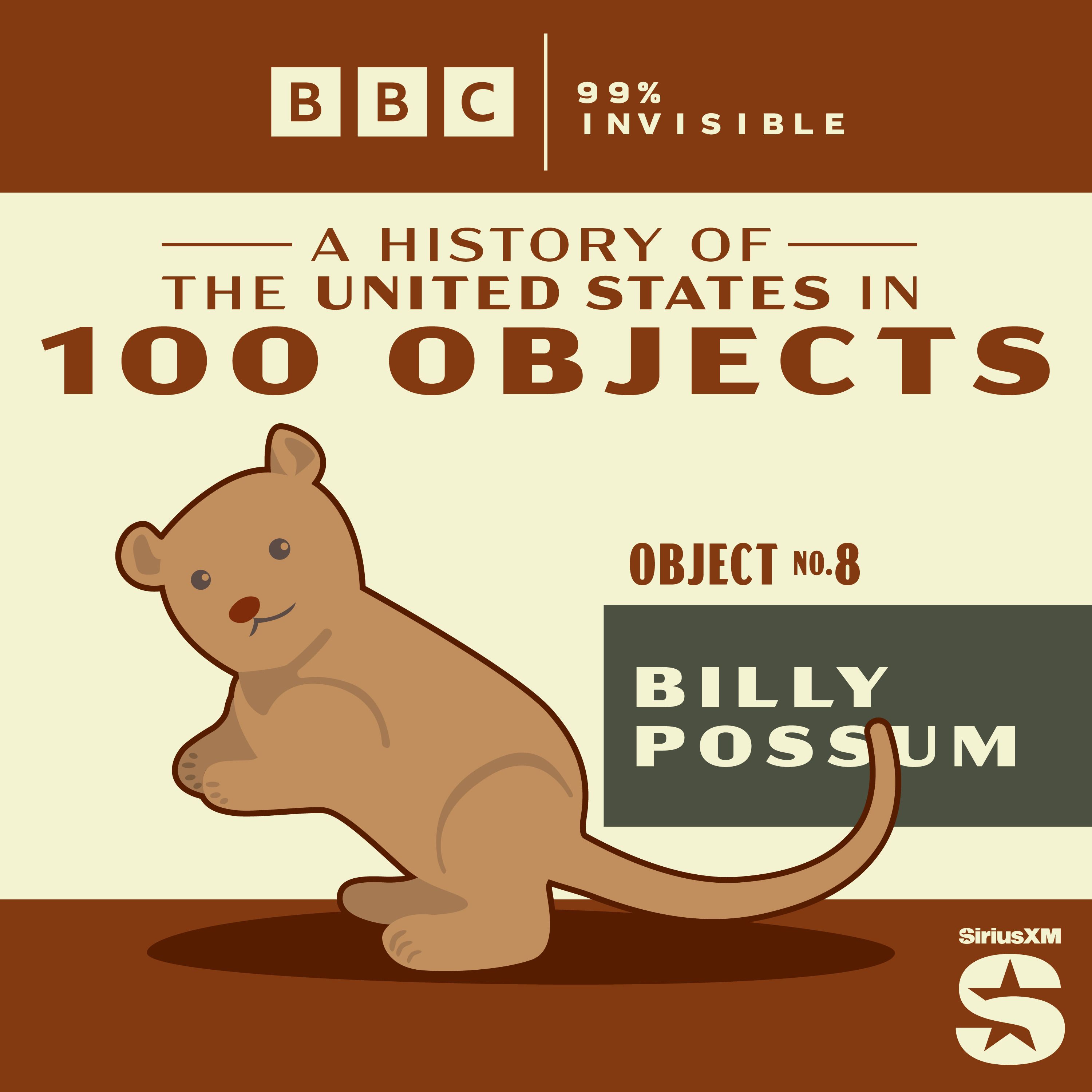
The "Billy Possum" toy, meant to be President Taft's "Teddy Bear," failed because its origin story lacked emotional resonance. Taft simply ate a possum at a banquet. This lacked the Teddy Bear's compelling narrative of mercy, guilt, and a shifting human-nature relationship.
The capybara's rise as a cultural icon is not just about cuteness; it's about its perceived "chill" and unbothered nature. In an anxious world, this unflappability has become an aspirational trait, leading people to embrace the animal—whose collective noun is fittingly a "meditation"—as a symbol of tranquility.

The polar bear was an effective climate symbol because its story mirrored the Teddy Bear's. A once-feared, powerful predator was now reframed as a helpless victim of human activity, triggering the same cycle of guilt and empathy that made the original toy a cultural phenomenon.
A key driver of the capybara's recent online fame was a real-world event where they overran a luxury gated community in Argentina built on their former habitat. This narrative of nature reclaiming territory from the wealthy cast them as unexpected anti-capitalist symbols, significantly boosting their meme potential.
While performance wear is practical, its cultural resonance is rooted in a historical anxiety about losing frontier toughness. From 19th-century buckskin suits to modern Patagonia vests, men have used outdoor clothing to perform a version of rugged manhood in an increasingly urbanized world.
