Get your free personalized podcast brief
We scan new podcasts and send you the top 5 insights daily.
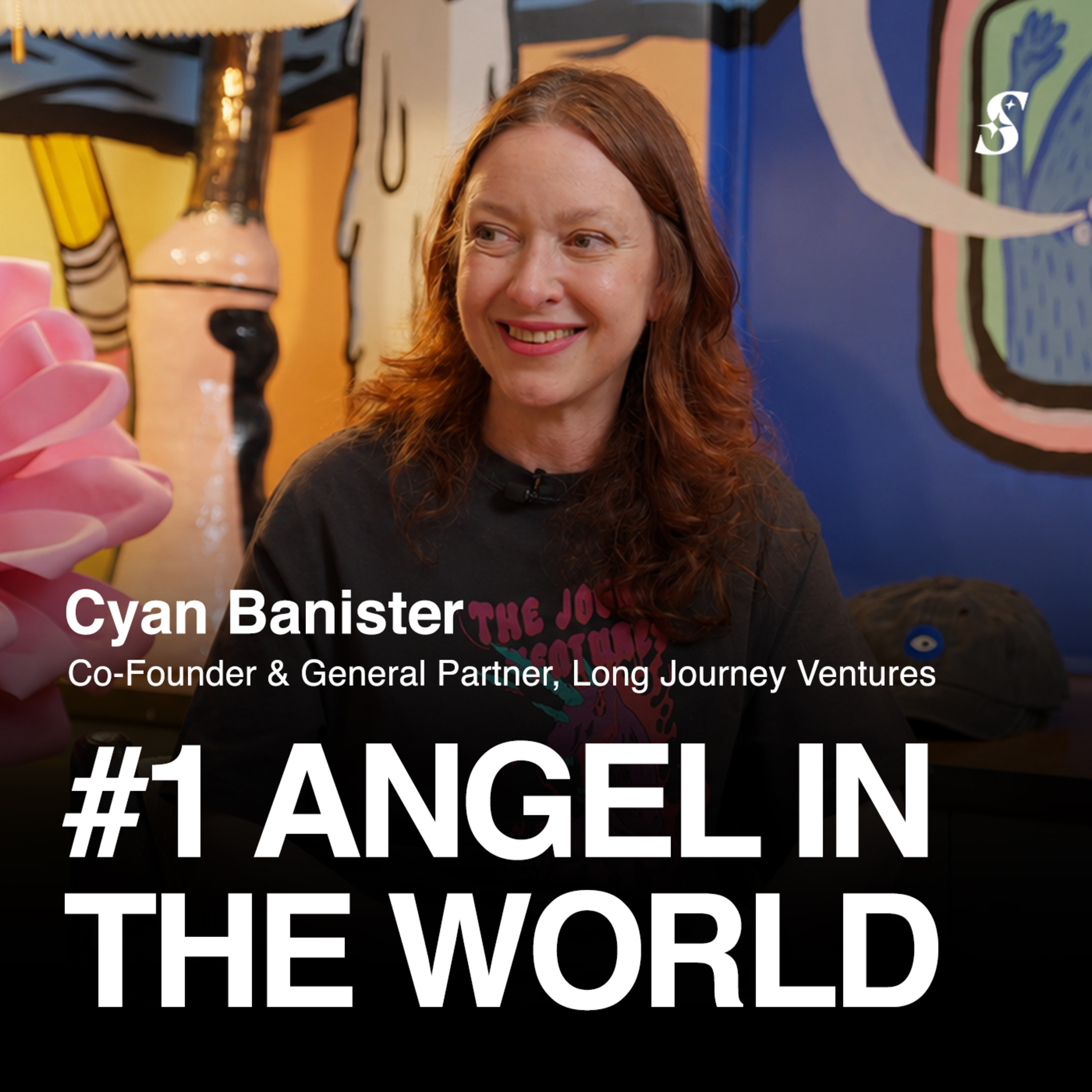
Cyan Banister's strategy avoids today's hot, competitive deals. The real alpha, she argues, comes from investing years earlier in the non-obvious infrastructure that will enable the *next* technology wave, securing lower prices and better ownership.
Related Insights
Transformative technologies require massive initial capital for infrastructure (CapEx). The timing mismatch between spending and revenue often bankrupts early investors, as seen with railroads and the dot-com boom. The most profitable strategy is often to invest after the initial bubble bursts and the infrastructure is already built.

VCs generate outsized returns by backing 'alpha'—fundamentally different ways of solving a problem. Many funds in the 2020-2021 ZIRP era mistakenly chased 'beta'—backing slightly better execution of known models. This operational bet is not true venture capital and rarely produces foundational companies.
When a new technology stack like AI emerges, the infrastructure layer (chips, networking) inflects first and has the most identifiable winners. Sacerdote argues the application and model layers are riskier and less predictable, similar to the early, chaotic days of internet search engines before Google's dominance.

Instead of betting on which AI models or applications will win, Karmel Capital focuses on the infrastructure layer (neocloud companies). This "pick and shovel" strategy provides exposure to the entire ecosystem's growth with lower valuations and less risk, as infrastructure is essential regardless of who wins at the top layers.

Resist the common trend of chasing popular deals. Instead, invest years in deeply understanding a specific, narrow sector. This specialized expertise allows you to make smarter investment decisions, add unique value to companies, and potentially secure better deal pricing when opportunities eventually arise.

The most significant companies are often founded long before their sector becomes a "hot" investment theme. For example, OpenAI was founded in 2015, years before AI became a dominant VC trend. Early-stage investors should actively resist popular memes and cycles, as they are typically trailing indicators of innovation.

Analysis shows that the themes venture capitalists and media hype in any given year are significantly delayed. Breakout companies like OpenAI were founded years before their sector became a dominant trend, suggesting that investing in the current "hot" theme is a strategy for being late.
When investing in AI, the focus should be on companies building durable, multi-purpose infrastructure or solving real-world problems with a sustainable data flywheel. This approach is superior to backing firms with impressive tech demonstrations that lack a clear, defensible business model.

Rather than picking a winning AI or crypto, the smarter investment is in the 'picks and shovels.' This means focusing on the infrastructure every autonomous agent will require to transact—such as wallets, custody services, and blockchain rails—regardless of which specific application succeeds.

True alpha in venture capital is found at the extremes. It's either in being a "market maker" at the earliest stages by shaping a raw idea, or by writing massive, late-stage checks where few can compete. The competitive, crowded middle-stages offer less opportunity for outsized returns.
