Get your free personalized podcast brief
We scan new podcasts and send you the top 5 insights daily.
Harris is creating a new, subscriber-only community to foster constructive conversation. It aims to improve signal-to-noise by requiring real names and avoiding typical engagement-driven algorithms that promote division on platforms like Reddit.

Related Insights
Implementing a very small cost to join an online group—even $5 a year—acts as a powerful filter. It ensures members are genuinely invested and opt-in with an intention to contribute positively, drastically reducing trolls and improving the overall environment.

The evolution of online communities from anonymous usernames to verified, real-name identities fundamentally changed user behavior. When people have a reputation to protect, they are incentivized to act more constructively. This progress is now threatened by the rise of anonymous AI bots.

The feeling of deep societal division is an artifact of platform design. Algorithms amplify extreme voices because they generate engagement, creating a false impression of widespread polarization. In reality, without these amplified voices, most people's views on contentious topics are quite moderate.

Instead of open-internet crowdsourcing, Harris uses his New Press website as a moderated, 'algorithm-free space' for his audience. This fosters a community of 'good faith curiosity' that provides high-value perspectives and on-the-ground sources, filtering out the trolls and noise common to platforms like X.
Algorithms optimize for engagement, and outrage is highly engaging. This creates a vicious cycle where users are fed increasingly polarizing content, which makes them angrier and more engaged, further solidifying their radical views and deepening societal divides.

As major platforms abdicate trust and safety responsibilities, demand grows for user-centric solutions. This fuels interest in decentralized networks and "middleware" that empower communities to set their own content standards, a move away from centralized, top-down platform moderation.
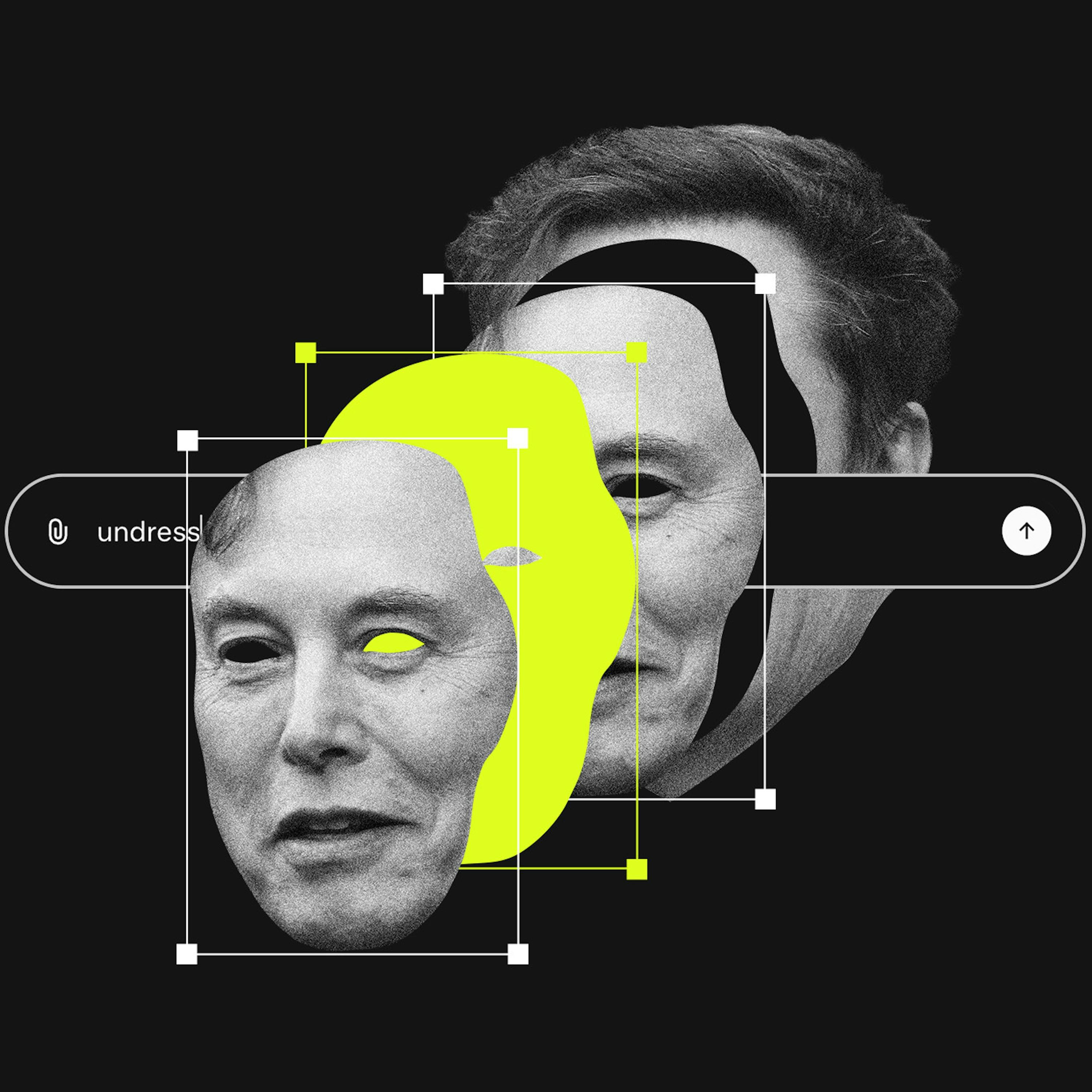
Threads' goal to be a more civil platform has successfully differentiated it from the 'hyper-polarized' X. However, this moderation comes at a cost: it lacks the high-conflict conversations that drive news cycles and cultural relevance, which still happen on its more chaotic rivals.

The metric for a successful community has shifted from high activity ("noise") to high trust. Members no longer want to sift through hundreds of discussions. They want a smaller, curated space where they can trust the expertise and intentions of the other people in the room.

Societal polarization is not just ideological but algorithmic. Social media platforms are financially incentivized to amplify divisive content because "enragement equals engagement," which drives ad revenue. This creates a distorted, more hostile view of reality than what exists offline.

Anonymity on social media fuels toxic behavior but is also a necessary tool against totalitarianism. The solution isn't to ban it, but for new platforms to emerge where users can choose non-anonymity, and the system rewards or privileges those verified accounts, improving the quality of discourse.
