Get your free personalized podcast brief
We scan new podcasts and send you the top 5 insights daily.
Instead of open-internet crowdsourcing, Harris uses his New Press website as a moderated, 'algorithm-free space' for his audience. This fosters a community of 'good faith curiosity' that provides high-value perspectives and on-the-ground sources, filtering out the trolls and noise common to platforms like X.
Related Insights
Implementing a very small cost to join an online group—even $5 a year—acts as a powerful filter. It ensures members are genuinely invested and opt-in with an intention to contribute positively, drastically reducing trolls and improving the overall environment.

Substack's founder argues that online spaces become "heaven or hell" based on their core business model. Ad-based models optimize for attention (often leading to outrage), while Substack's revenue-share model forces its algorithm to optimize for the value creators provide to their audience.
In an internet dominated by AI-generated content and affiliate marketing, Reddit remains a unique source of authentic user opinions. Marketers should leverage it for unfiltered customer feedback, as its community-driven structure actively filters out generic content, revealing genuine pain points and preferences.

As major platforms abdicate trust and safety responsibilities, demand grows for user-centric solutions. This fuels interest in decentralized networks and "middleware" that empower communities to set their own content standards, a move away from centralized, top-down platform moderation.

The primary consumption of news has shifted from destination sites to algorithmically curated social feeds. Platforms like Threads and X have become superior curators of content from legacy sources, personalizing discovery so effectively that users now rely on them to surface relevant articles, bypassing the publisher's own homepage.

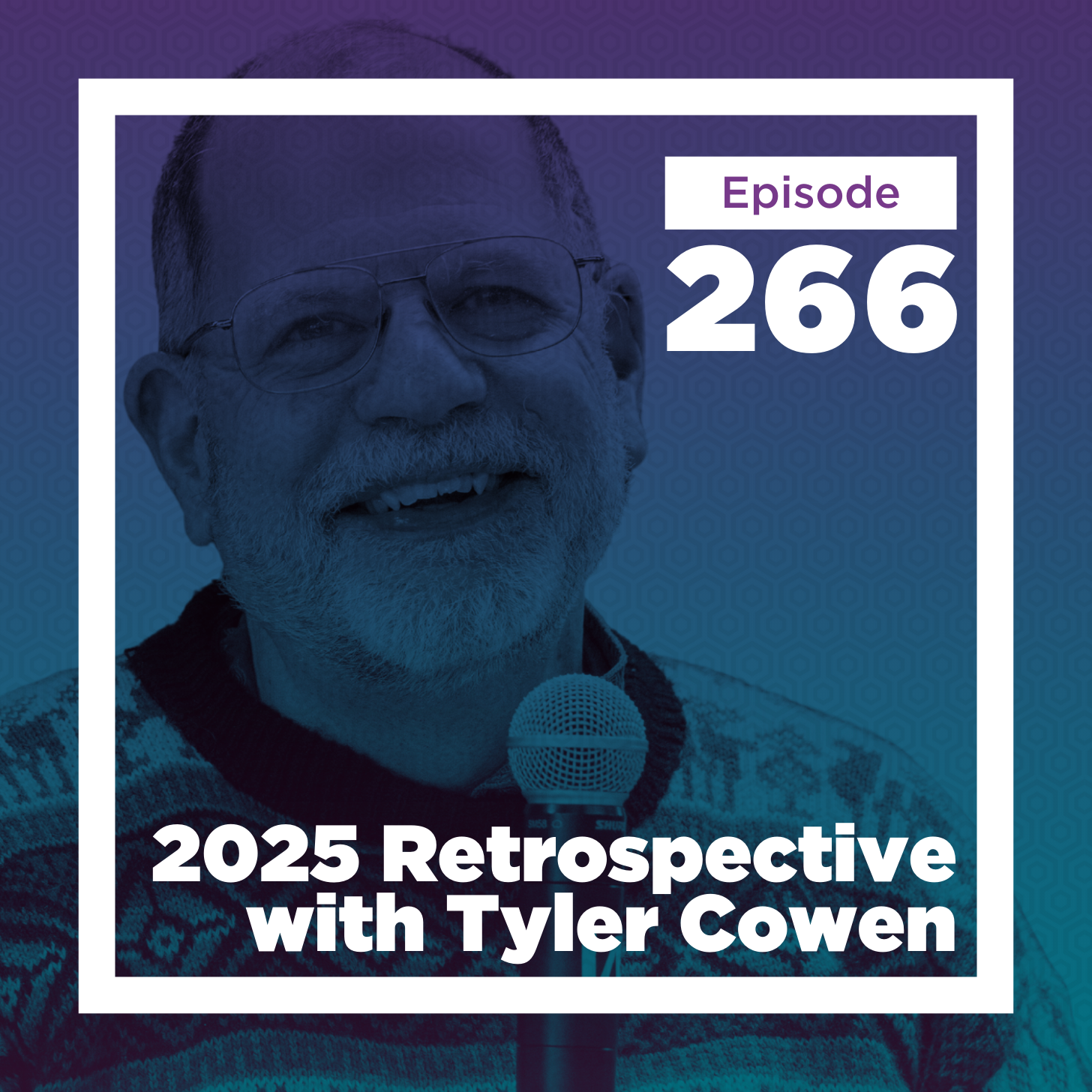
Tyler Cowen's experience actively moderating his "Marginal Revolution" blog has made him more tolerant of large tech platforms removing content. Seeing the necessity of curation to improve discourse firsthand, he views platform moderation not as censorship but as a private owner's prerogative to maintain quality.
The genius of X's Community Notes algorithm is that it surfaces a fact-check only when users from opposing ideological viewpoints agree on its validity. This mechanism actively filters for non-partisan, consensus-based truth rather than relying on biased fact-checkers.
Unlike traditional media where reporters hide behind a brand, individual creators face direct audience feedback for errors. Harris embraces this 'cleansing fire,' using it to identify flaws and build more rigorous processes, like a public, time-coded bibliography for every video.
Threads' goal to be a more civil platform has successfully differentiated it from the 'hyper-polarized' X. However, this moderation comes at a cost: it lacks the high-conflict conversations that drive news cycles and cultural relevance, which still happen on its more chaotic rivals.

The metric for a successful community has shifted from high activity ("noise") to high trust. Members no longer want to sift through hundreds of discussions. They want a smaller, curated space where they can trust the expertise and intentions of the other people in the room.
