Get your free personalized podcast brief
We scan new podcasts and send you the top 5 insights daily.
Drawing from high-stakes gaming and racing, the founder cultivated the ability to perceive time slowing down during intense moments. This isn't a superpower but a trainable skill, developed through practice in low-stakes environments like weightlifting, that enables calm and clear thinking.

Related Insights
Working in high-pressure environments like Formula 1, where unexpected issues require immediate solutions, builds a unique skill set. It forces lateral thinking and the creation of custom solutions, as off-the-shelf answers don't exist for extreme, ambiguous conditions. This mindset is directly applicable to business leadership.

Michael Dubin advises that after surviving enough "near-death experiences," a founder develops a crucial skill: the ability to mentally project past the current panic. By remembering that most crises resolve, you can adopt the calm perspective of your future self, which helps you navigate the present turmoil with less fear.

True leadership strength isn't about being the loudest voice. It's the 'quiet edge'—the ability to maintain physiological composure and emotional mastery amidst chaos. This allows for thoughtful responses instead of knee-jerk reactions, leading to better decisions under pressure.

The same impulsive nature that helps a founder or creator move quickly and avoid sunk costs can also lead to rash, poor decisions. This trait is both a gift and a curse. To manage it, practice patience by sleeping on big decisions, meditating, and spending time offline to slow down reaction time.

The key differentiator for top talent isn't flawless judgment, but a shorter lag time between receiving a signal and responding. Looping thoughts like doubt and hesitation cripple this "decision velocity," stalling conversations and deals. The goal is to make fast, committed decisions and adjust in real-time.
Marc Lore describes a state of intense, out-of-body focus he calls the "sixth gear." He believes it's only accessible when you can't afford to lose and your entire livelihood is at stake. In this state, there's no time for anxiety or worry, only pure, relentless execution.
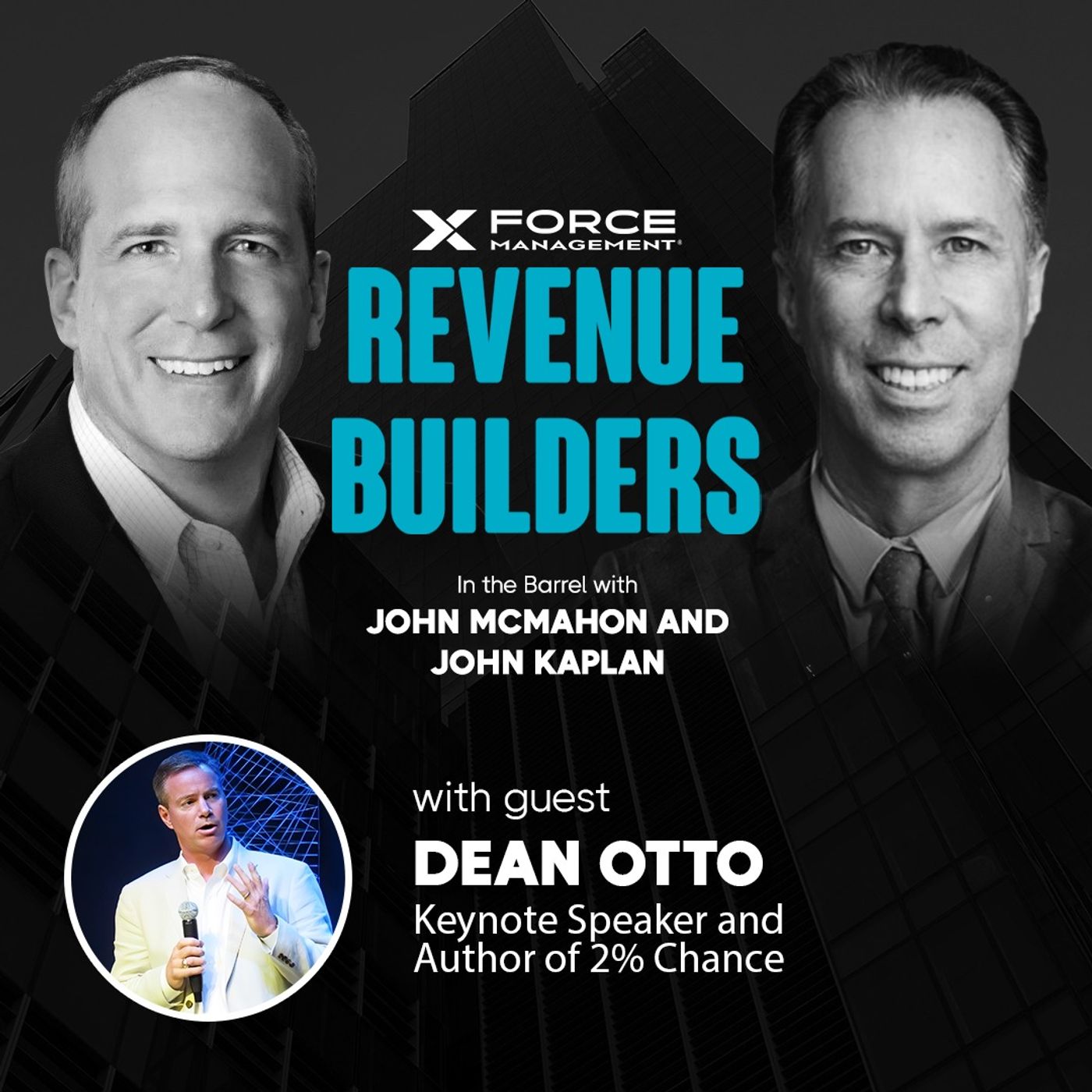
In crises, focus only on what's inside an imaginary "hula hoop" around you: your attitude and your actions. Surrender the outcome to external forces. This mental model, used by endurance athlete Dean Otto when paralyzed, prevents overwhelm and allows for clear-headed decision-making when stakes are highest.
In a fast-moving world, the best leaders don't just react faster. They create the perception of more time by "settling the ball"—using anticipatory and situational awareness to pause, think strategically, and ensure actions are aligned with goals, rather than just being busy.

The ability to think strategically like a founder isn't a personality type but a skill developed over 5-10+ years of experience, making mistakes, and building intuition. While seniority is a prerequisite, it doesn't guarantee this skill.

David Beckham thrived under pressure because it activated his dominant, deeply practiced skills. This psychological principle suggests that for experts, stress doesn't cause failure but rather triggers a state of "autopilot" excellence. The key is developing a skill level where your instinctive response is the correct one.
