Get your free personalized podcast brief
We scan new podcasts and send you the top 5 insights daily.
Facing an unexpected manufacturing issue where their formula would erode aluminum cans, Waterboy's team didn't deliberate for weeks. They evaluated the alternatives (glass, carton) and their constraints (fragility, high MOQs) and decided to switch to stick packs within an hour.

Related Insights
Hardware development is often stalled by supplier lead times. To combat this, proactively map out multiple, redundant manufacturing options for every component. By maintaining a constantly updated "lookup table" of suppliers, processes, and their current lead times, teams can parallelize workflows and minimize downtime.

When COVID-19 invalidated its revenue plan, Nextdoor's GM used a pre-existing worst-case scenario to pivot the product strategy. The focus shifted from subscriptions to features that provided immediate cash flow to local businesses (e.g., gift cards), enabling a quick, board-aligned response to the crisis.

When factories in China refused to produce his insulated bottle, Travis didn't give up. He rented time on their assembly line and physically built the necessary machine modifications himself, buying screws and metal plates to adapt their equipment. This is an extreme form of taking ownership of the supply chain.

Pivoting isn't just for failing startups; it's a requirement for massive success. Ambitious companies often face 're-founding moments' when their initial product, even if successful, proves insufficient for market-defining scale. This may require risky moves, like competing against your own customers.

When faced with an existential cost crisis, Ather's founder explored two pivots: a cheaper product and a software platform model. Both were dead ends. The ultimate solution was to resist the distraction of pivoting, stay the course, correct pricing, and fix the core operational issues of the original product.
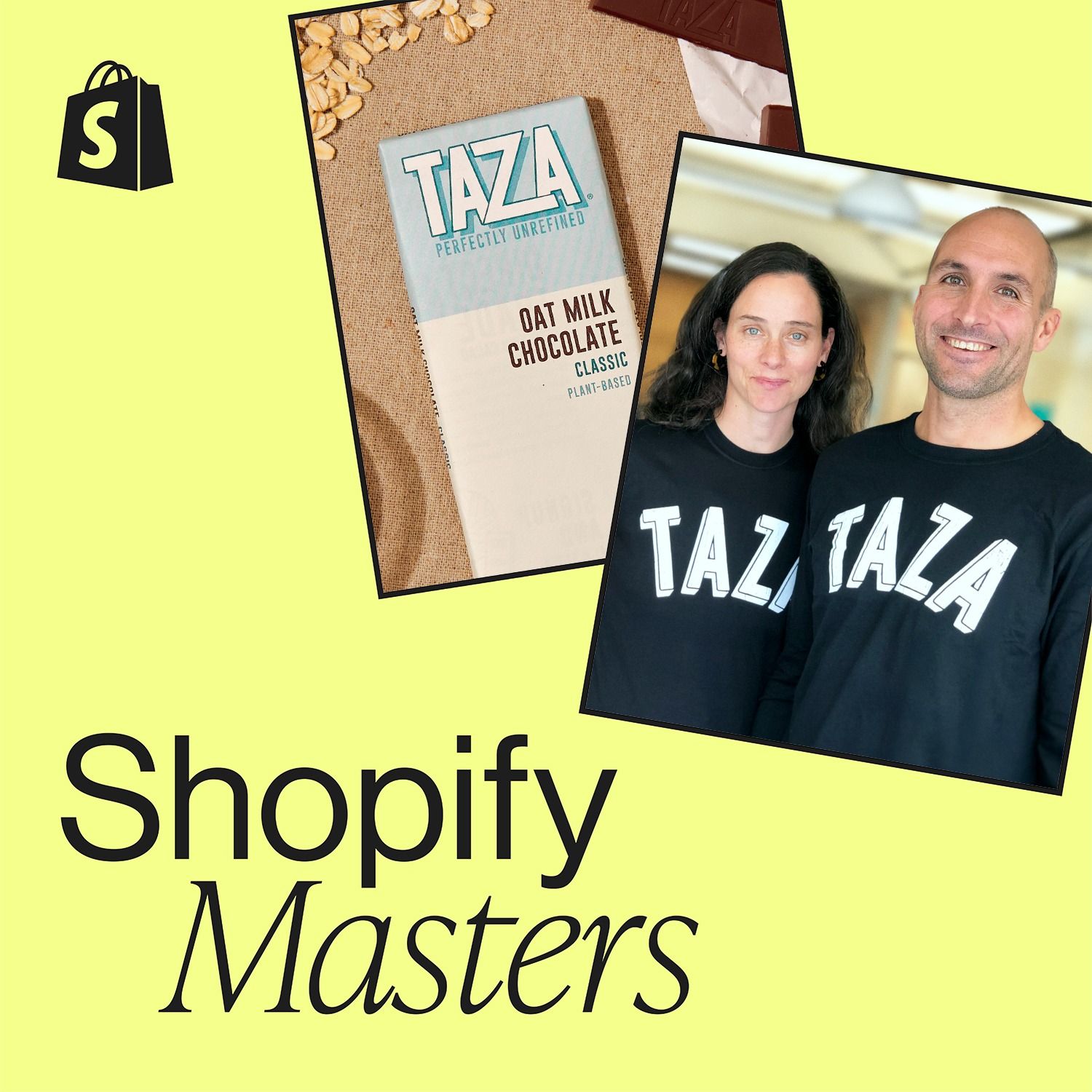
Taza avoided dairy and gluten not for a market trend, but to simplify a complex manufacturing process. This early operational decision inadvertently positioned them perfectly for the future rise of vegan and allergen-free consumer demands, creating a long-term competitive advantage they didn't foresee.
Innovation is often stifled when product design is dictated by existing manufacturing limitations. Indra Nooyi forced a breakthrough with Sun Chips by rejecting the factory's default chip size. She mandated a redesign based on the consumer's experience, forcing manufacturing to adapt rather than allowing its constraints to define the product.

Boom Supersonic accelerates development by manufacturing its own parts. This shrinks the iteration cycle for a component like a turbine blade from 6-9 months (via an external supplier) to just 24 hours. This rapid feedback loop liberates engineers from "analysis paralysis" and allows them to move faster.

Instead of arguing for more time, product leaders should get stakeholder buy-in on a standardized decision-making process. The depth and rigor of each step can then be adjusted based on available time, from a two-day workshop to an eight-month study, without skipping agreed-upon stages.

When Shelter Skin's first shipment melted in transit, their vertically integrated model was a lifesaver. They could immediately change product seals and packaging. Had they outsourced to a lab, they would have been stuck with 10,000 faulty units and a potential $150,000 loss.