Get your free personalized podcast brief
We scan new podcasts and send you the top 5 insights daily.
Shiva Rajaraman says off-the-shelf project management tools fell short for Beast Industries' unique production workflow, so his team started building a custom operating system about three months ago. Because software is now cheap to build and maintain, they can tailor tools to midnight set changes and ship every day.

Related Insights
An internal agent, deeply integrated with proprietary company data and systems, can become superior to expensive, market-leading SaaS products. Replit cancelled a seven-figure contract because their custom, integrated solution was better and more adopted by employees, fundamentally changing the 'build vs. buy' calculation.

The CEO argues the era of generic, one-size-fits-all SaaS is over. By "asking better questions" about their specific franchisee and customer needs, they built a bespoke tech stack that provides true signal over noise, moving away from software that serves the vendor's need to scale.

For decades, buying generalized SaaS was more efficient than building custom software. AI coding agents reverse this. Now, companies can build hyper-specific, more effective tools internally for less cost than a bloated SaaS subscription, because they only need to solve their unique problem.

No-code is maturing into a core enterprise strategy for software consolidation. Companies are replacing numerous off-the-shelf SaaS products with integrated, bespoke applications built on platforms like Lovable. This approach delivers custom functionality while saving some companies over a million dollars per year.

Enterprises are empowering non-technical employees to build bespoke internal tools with AI, replacing expensive SaaS products. This saves hundreds of thousands of dollars and creates solutions perfectly tailored to specific workflows, freeing them from the constraints of third-party roadmaps.

Companies like SpaceX built their own operating systems (like Warp Drive) because off-the-shelf solutions couldn't handle their complexity and speed. For Senra, this means building custom software and automation. Vertical integration is not a choice but a necessity when the external industrial base is a bottleneck to growth.
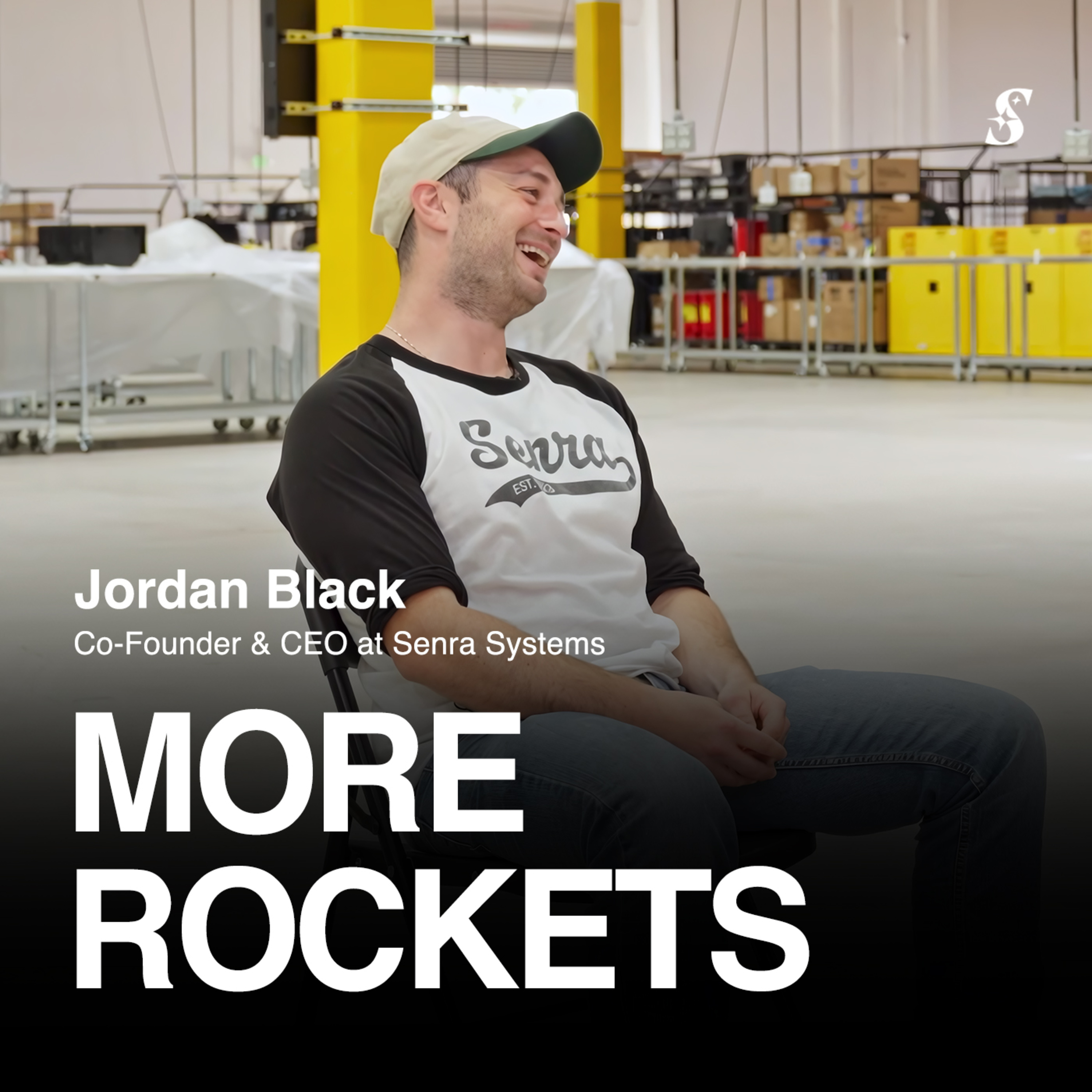
With AI, building custom internal tools for shallow, high-customization needs (like HR or payroll) is now cheaper and faster than buying and integrating third-party SaaS. This challenges the traditional 'buy vs. build' calculus for standard business functions.

The primary advantage of building your own AI tool is the ability to instantly respond to customer needs. Unlike off-the-shelf software with long roadmaps, non-technical teams can implement and ship simple customer feature requests on the same day, creating a magical user experience.

Off-the-shelf SaaS products often fail to accommodate a company's specific workflows. Building custom internal tools with AI allows teams to create solutions precisely matched to their culture and cadence (like design reviews), leading to higher adoption and impact.
The ability to rapidly build custom software with AI is tempting. However, the ongoing maintenance and data quality assurance are the core business of SaaS companies. Buying a dedicated tool like a CRM often provides more value and less overhead than a custom-built solution, even with AI assistance.
