Get your free personalized podcast brief
We scan new podcasts and send you the top 5 insights daily.
The primary advantage of building your own AI tool is the ability to instantly respond to customer needs. Unlike off-the-shelf software with long roadmaps, non-technical teams can implement and ship simple customer feature requests on the same day, creating a magical user experience.

Related Insights
Modern AI coding agents allow non-technical and technical users alike to rapidly translate business problems into functional software. This shift means the primary question is no longer 'What tool can I use?' but 'Can I build a custom solution for this right now?' This dramatically shortens the cycle from idea to execution for everyone.

You don't need technical skills to build custom AI tools. Frame your needs as problem statements to a capable AI agent. The AI then acts as a product manager, asking clarifying questions to understand the requirements before generating the necessary scripts and workflows to solve your problem automatically.

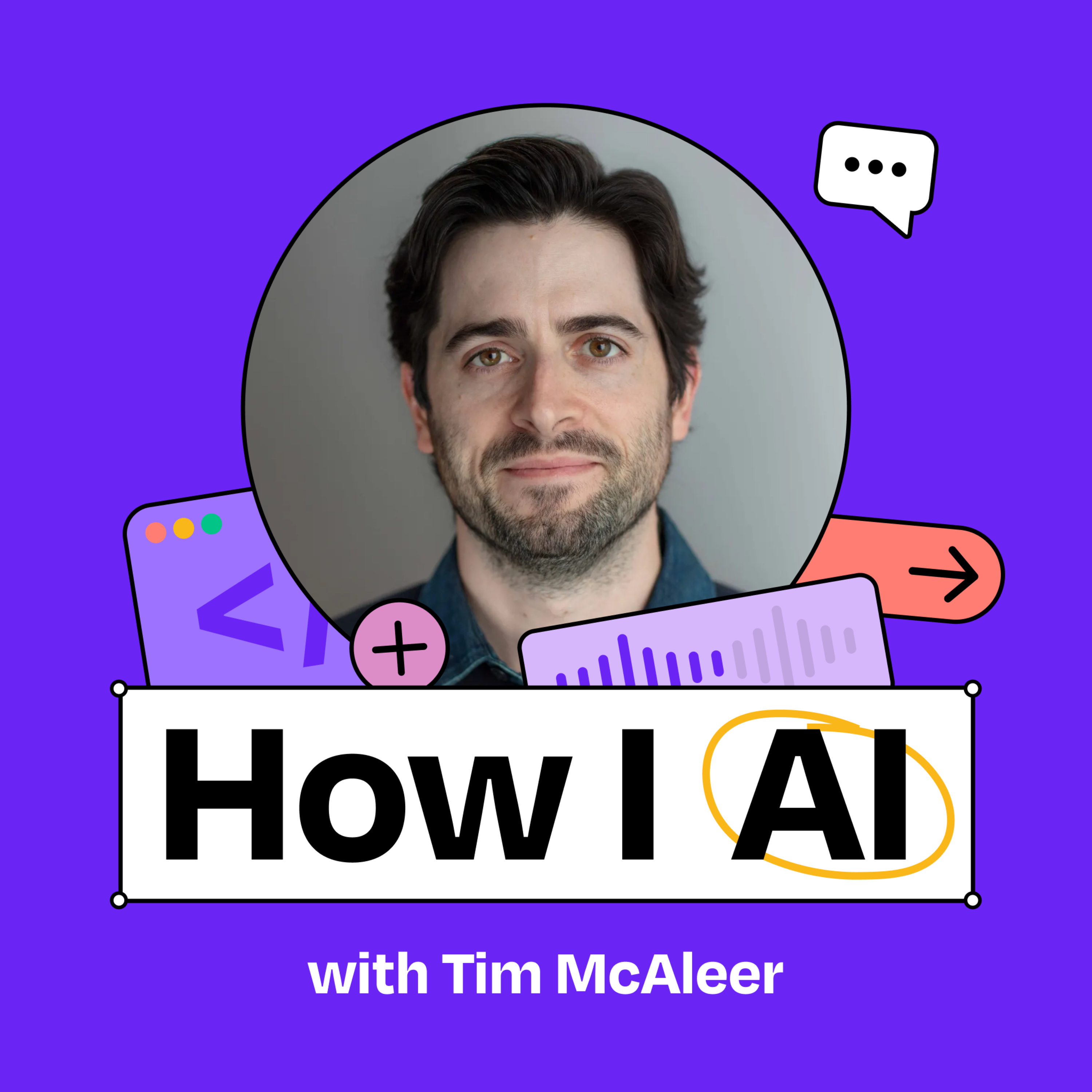
Tim McLear used AI coding assistants to build custom apps for niche workflows, like partial document transcription and field research photo logging. He emphasizes that "no one was going to make me this app." The ability for non-specialists to quickly create such hyper-specific internal tools is a key, empowering benefit of AI-assisted development.
The barrier to creating software is collapsing. Non-coders can now build sophisticated, personalized applications for specific workflows in under an hour. This points to a future where individuals and teams create their own disposable, custom tools, replacing subscriptions to numerous niche SaaS products.

AI is democratizing software development by enabling non-technical subject-matter experts to build their own tools. By simply describing their ideas, they can generate fully deployed applications, shifting value from technical implementation to market and community insight.

The surprising success of Dia's custom "Skills" feature revealed a huge user demand for personalized tools. This suggests a key value of AI is enabling non-technical users to build "handmade software" for their specific, just-in-time needs, moving beyond one-size-fits-all applications.

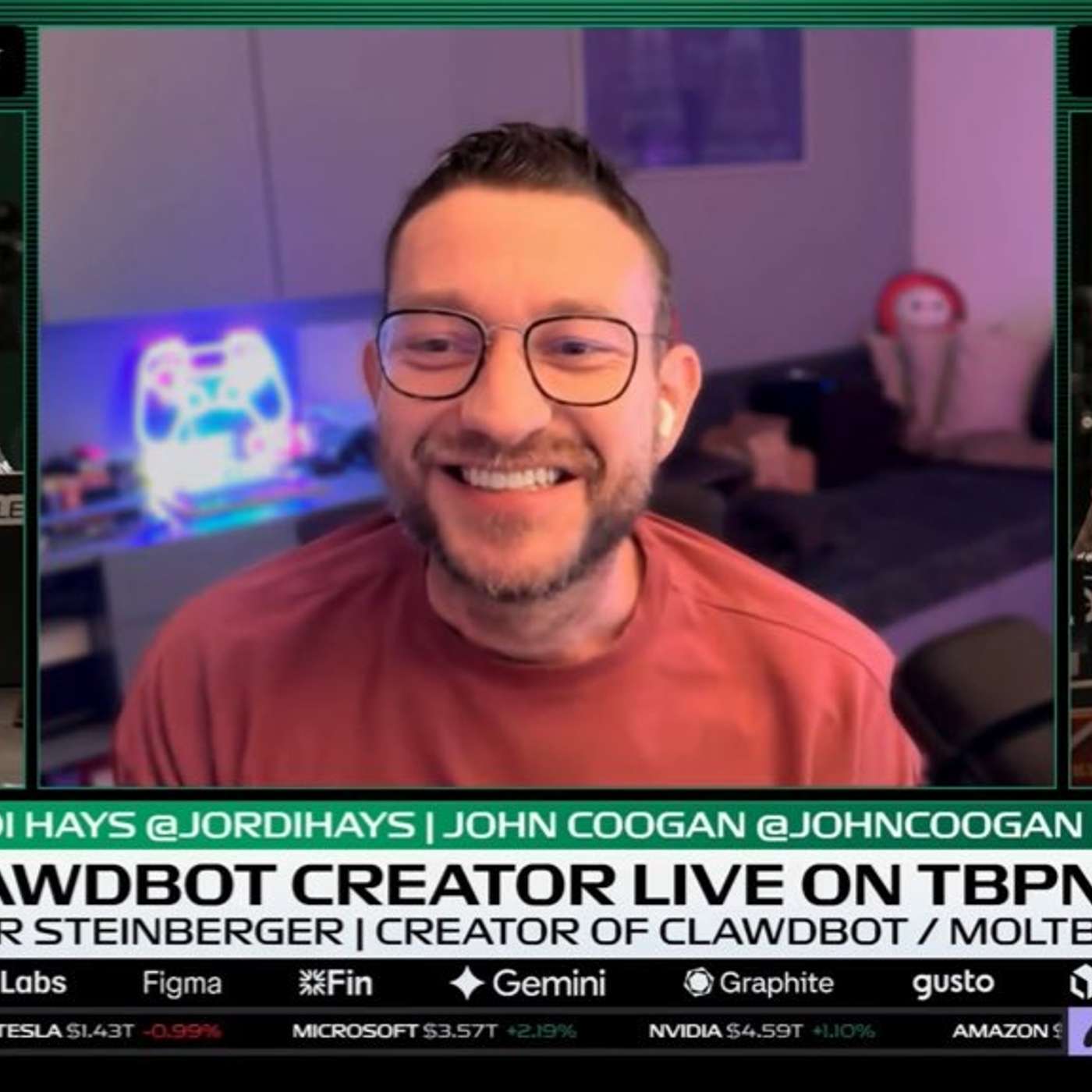
A design agency professional with no coding experience used the Moltbot agent to build 25 internal web services simply by describing the problems. This signals a paradigm shift where non-technical users can create their own hyper-personalized software, bypassing traditional development cycles and SaaS subscriptions.
A new wave of AI automation is being driven by non-technical staff using agent-based platforms. These knowledge workers are building custom AI solutions for complex business processes, bypassing the need for new software purchases or dedicated engineering resources.

Using AI platforms like Lovable, business leaders can build custom internal apps simply by describing what they want in plain English. The host created a bespoke org chart tool in 10 minutes, a process that previously required a lengthy and frustrating cycle with developers, showcasing a dramatic acceleration in productivity.
Visual AI tools like Agent Builder empower non-technical teams (e.g., support, sales) to build, modify, and instantly publish agent workflows. This removes the dependency on engineering for deployment, allowing business teams to iterate on AI logic and customer-facing interactions much faster.
