Get your free personalized podcast brief
We scan new podcasts and send you the top 5 insights daily.
It's impossible for one political party to maintain sanity while its opponent is extremist. The current climate creates a vicious cycle where one party's radical behavior gives the other "permission to be crazy as well." Restoring normalcy requires a simultaneous return to sanity from both sides.

Related Insights
Cable news and social media don't show the average person who votes differently. They blast the loudest, most cartoonish "professional lunatics" from the opposing side. This creates a false impression that the entire opposition is extreme, making tribalism seem rational.

The most significant threat to a political ideology comes not from the opposing party, but from the 'lunatics' on its own side. These extreme factions can make the entire group appear foolish and unreasonable, doing more damage to their credibility than any opponent ever could.
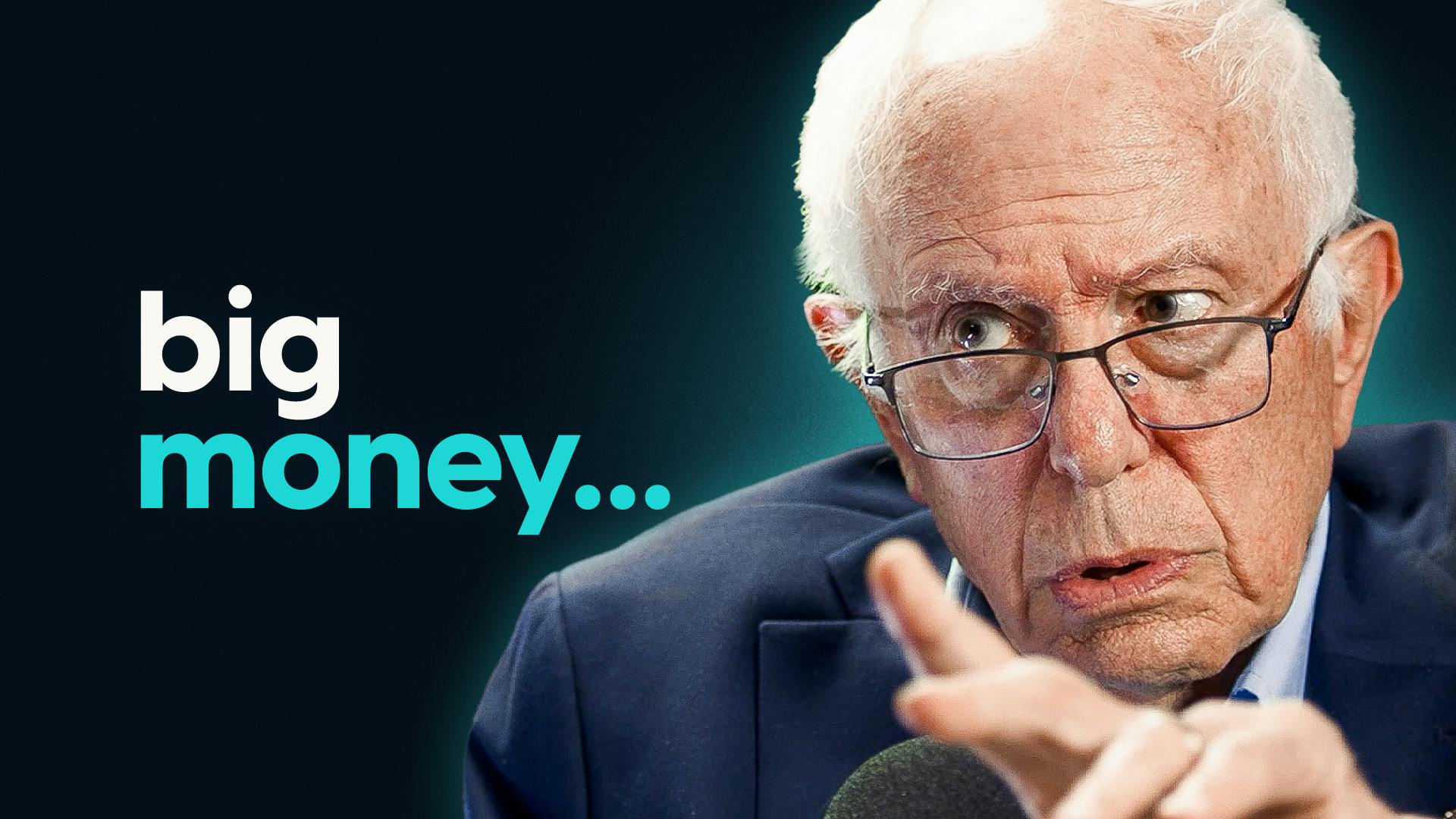
A destructive political pattern emerges where one party's well-intentioned but poorly executed policies (e.g., DEI initiatives) are used by the opposition as justification for a disproportionately extreme and damaging 'nuclear' response. This escalatory cycle benefits demagogues and harms effective governance.

Instead of incremental shifts around a moderate center (e.g., between 4 and 6 on a dial), US policy now swings violently between ideological extremes (3 and 9). This dynamic makes stable, consensus-based governance on issues like immigration nearly impossible.

A savvy political strategy involves forcing opponents to publicly address the most extreme statements from their ideological allies. This creates an impossible purity test. No answer is good enough for the fringe, and any attempt to placate them alienates the mainstream, effectively creating a schism that benefits the opposing party.

When one political party prioritizes governing and maintaining standards, it's disadvantaged against a party that prioritizes drama and disregards those standards. The governing party is forced onto the defensive, constantly reacting to manufactured outrage instead of advancing its own agenda.
Extreme political ideologies, despite appearing opposite, can lead to functionally identical conclusions. The debate over Alcatraz's future illustrates this, where the far-right's desire for a prison functionally mirrors the far-left's proposal for low-income housing, revealing a 'circularity' to political logic.

The perception of national decline in the US is not limited to one political side. Polling indicates that both left and right-leaning citizens believe the country's constitutional order and institutions are breaking down. The key difference is that each side is simply happy when their faction is temporarily "winning" the process of collapse.

Focusing on which political side is "crazier" misses the point. The fundamental danger is the psychological process of tribalism itself. It simplifies complex issues into "us vs. them," impairs rational thought, and inevitably leads to extremism on all sides.
When moderate leaders respond to radical actions with tepid statements instead of decisive opposition, they grant tacit approval. Their lack of a strong reaction acts as a "weather vane for normies," signaling to average citizens that the behavior is acceptable.
