Get your free personalized podcast brief
We scan new podcasts and send you the top 5 insights daily.
Focusing on which political side is "crazier" misses the point. The fundamental danger is the psychological process of tribalism itself. It simplifies complex issues into "us vs. them," impairs rational thought, and inevitably leads to extremism on all sides.

Related Insights
Political violence and extreme polarization are symptoms of deeper economic anxieties. When people feel economically insecure, they retreat into tribal identities and become susceptible to narratives of anger, which can escalate into violence.
Unlike established systems with clear rules (like Christianity), the modern left operates on "vague vibes" of ideological purity. This lack of a self-regulation mechanism creates a constant pressure to prove loyalty through extremism. As standards escalate, anyone who could provide a moderating influence is purged, leading to an endless cycle of radicalization.

Cable news and social media don't show the average person who votes differently. They blast the loudest, most cartoonish "professional lunatics" from the opposing side. This creates a false impression that the entire opposition is extreme, making tribalism seem rational.
In populist moments, leaders often abandon the idea of compromise and instead treat the opposing side as an enemy to be defeated. Language describing American cities as "war zones" or "training grounds" reveals this divisive mindset, which prioritizes conflict over unity.

Viewing the conflict as two rational sides in a misunderstanding is flawed. Both sides see the other as an existential threat and are willing to use extreme violence to achieve their goals. This reframes the narrative from a political dispute to a primal, violent tribal conflict where both sides see themselves as righteous.

In the aftermath of political violence, the targeted group often mirrors the very dehumanizing tactics they condemn. While correctly identifying an attacker's ideology, they risk escalating the conflict by applying labels like 'evil' to the entire opposing side, thus perpetuating the cycle of radicalization that fuels violence.

In times of extreme polarization, the political middle is not a safe haven but a kill zone. Moderates are targeted by both sides because they have no tribe to defend them. The escalating cost of neutrality forces everyone to pick a side, eliminating compromise and accelerating conflict.

Using the 'horseshoe theory,' the analysis posits that the far-left and far-right often meet on extreme issues, such as antisemitism. This convergence serves as a critical litmus test for dangerous ideas. When ideologies from opposite ends of the spectrum align, it signals a significant societal risk.
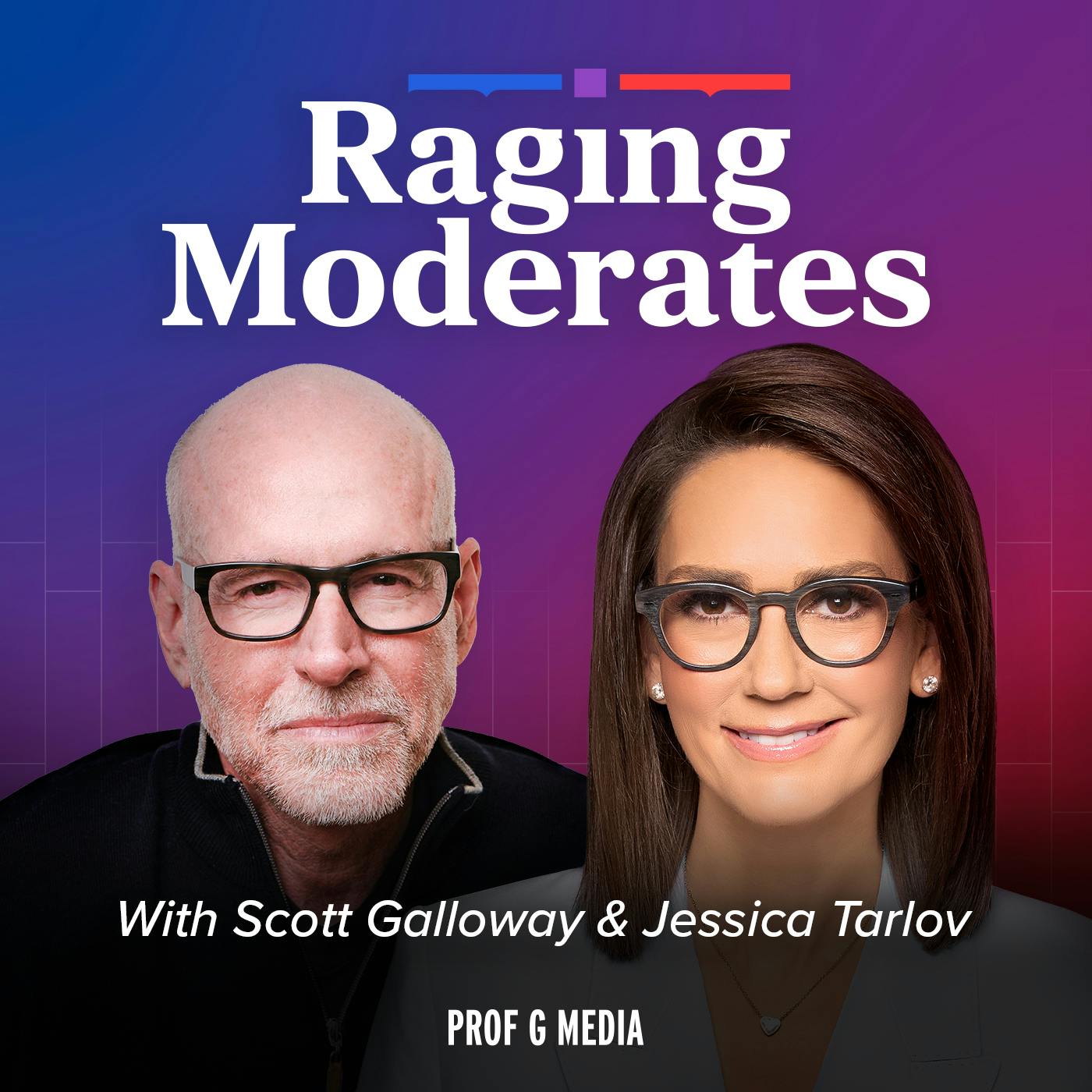
The true danger isn't partisan bickering but the collapse of shared cultural institutions like family, faith, and community. These provided a common identity and purpose that held the nation together, and their erosion leaves a void that politics cannot fill, removing the nation's "center of gravity."

The psychological engine of populism is the zero-sum fallacy. It frames every issue—trade deficits, immigration, university admissions—as a win-lose scenario. This narrative, where one group's success must come at another's expense, fosters the protectionist and resentful attitudes that populist leaders exploit.