Get your free personalized podcast brief
We scan new podcasts and send you the top 5 insights daily.
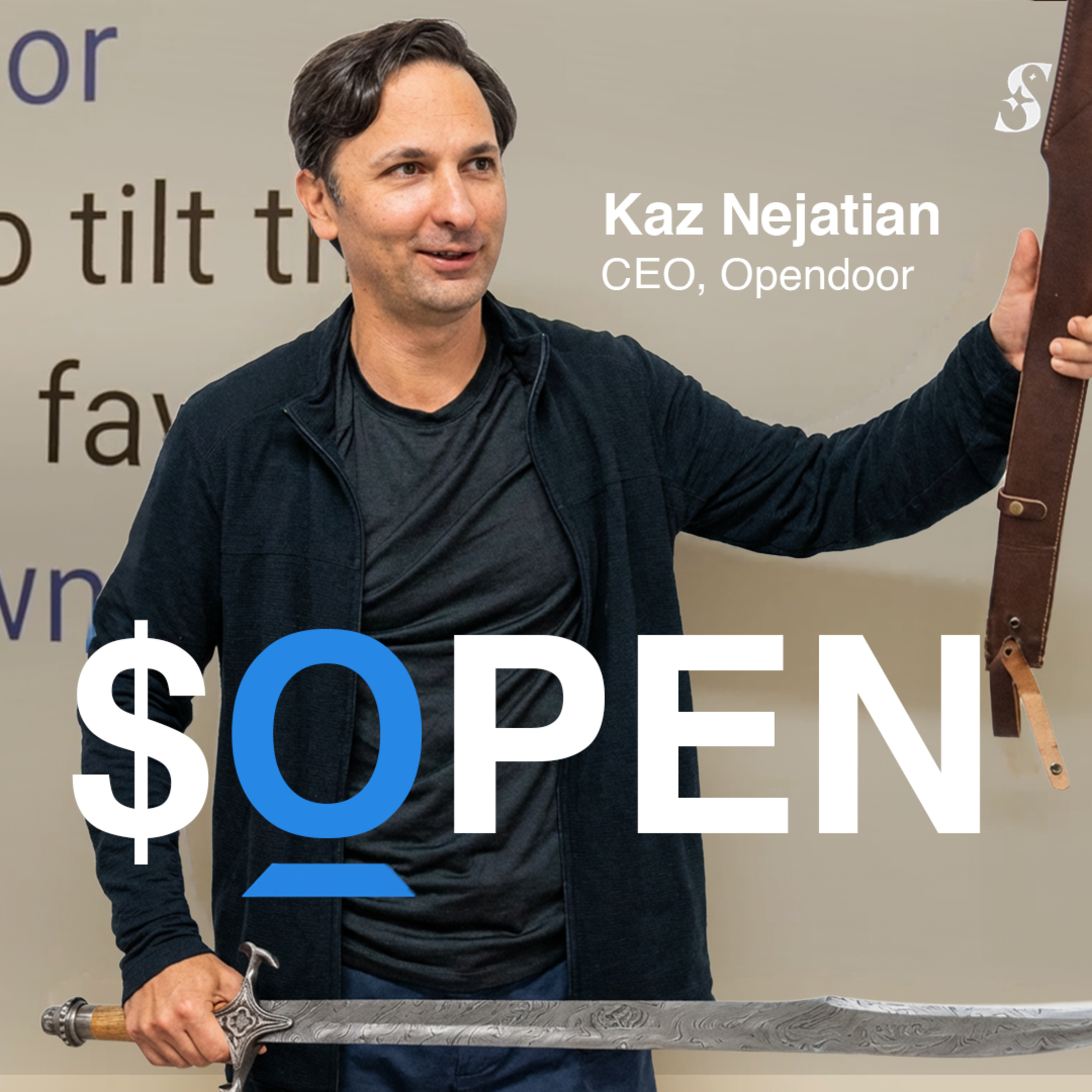
The CEO keeps an Arabian sword in his conference room as a tangible reminder to combat the tendency for modern companies to become timid and afraid. It represents an aggressive, decisive "wartime" culture necessary for a turnaround, inspired by leaders like Elon Musk.

Related Insights
To combat complacency, Sequoia's office has a wall where every investor has personally written, "We are only as good as our next investment." This daily, physical reminder reinforces the firm's cultural paranoia and focus, ensuring they never rest on past successes.

Opendoor has no PR department; the official press email auto-replies with instructions to DM the CEO on X. This radical approach forces direct, unfiltered communication and ensures the CEO's authentic voice defines the company narrative, bypassing traditional media gatekeepers.
CEOs like Meta's Mark Zuckerberg are now driven by a "spiteful" backlash against the perceived inefficiencies and consensus-driven culture of 2021. This results in an aggressive, risk-tolerant leadership style, where they'd rather fail spectacularly pursuing a vision than be mediocre and safe.

The traditional model of being either a wartime or peacetime leader is outdated. In today's volatile environment, leaders must be fluid, adapting their style day-to-day to handle both long-term strategic initiatives (peacetime) and immediate crises like unexpected tariffs (wartime).
Drata's founder viewed complaints about his sales team's aggressiveness as validation of their drive. He believed this relentless approach reflected a deep appreciation for the market opportunity and was preferable to a passive sales culture.

CEO declarations of "war mode" are often ineffective rhetoric. True urgency is felt in "hyperaggressive mode," a rare and unnatural state where the entire management team exhibits palpable tension and increased velocity. It's not about talk; it's a smellable, tangible increase in execution speed across all functions.
Citing a George Bernard Shaw quote, Atlassian's CEO explains that progress is driven by "unreasonable" individuals who challenge existing systems rather than accepting them. This mindset is essential for innovation, even if it sometimes leads to trouble.
To avoid corporate stagnation, every meeting should have a metaphorical empty "founder chair." This represents the voice that challenges consensus, calls bullshit, and pushes for extraordinary, non-linear outcomes, ensuring the founder's disruptive mentality persists even in their absence.
True leadership is revealed not during prosperity but adversity. A “wartime general” absorbs pressure from difficult clients or situations, creating a safe environment for their team. They don't pass down fear, which distinguishes them from “peacetime generals” who only thrive when things are good.

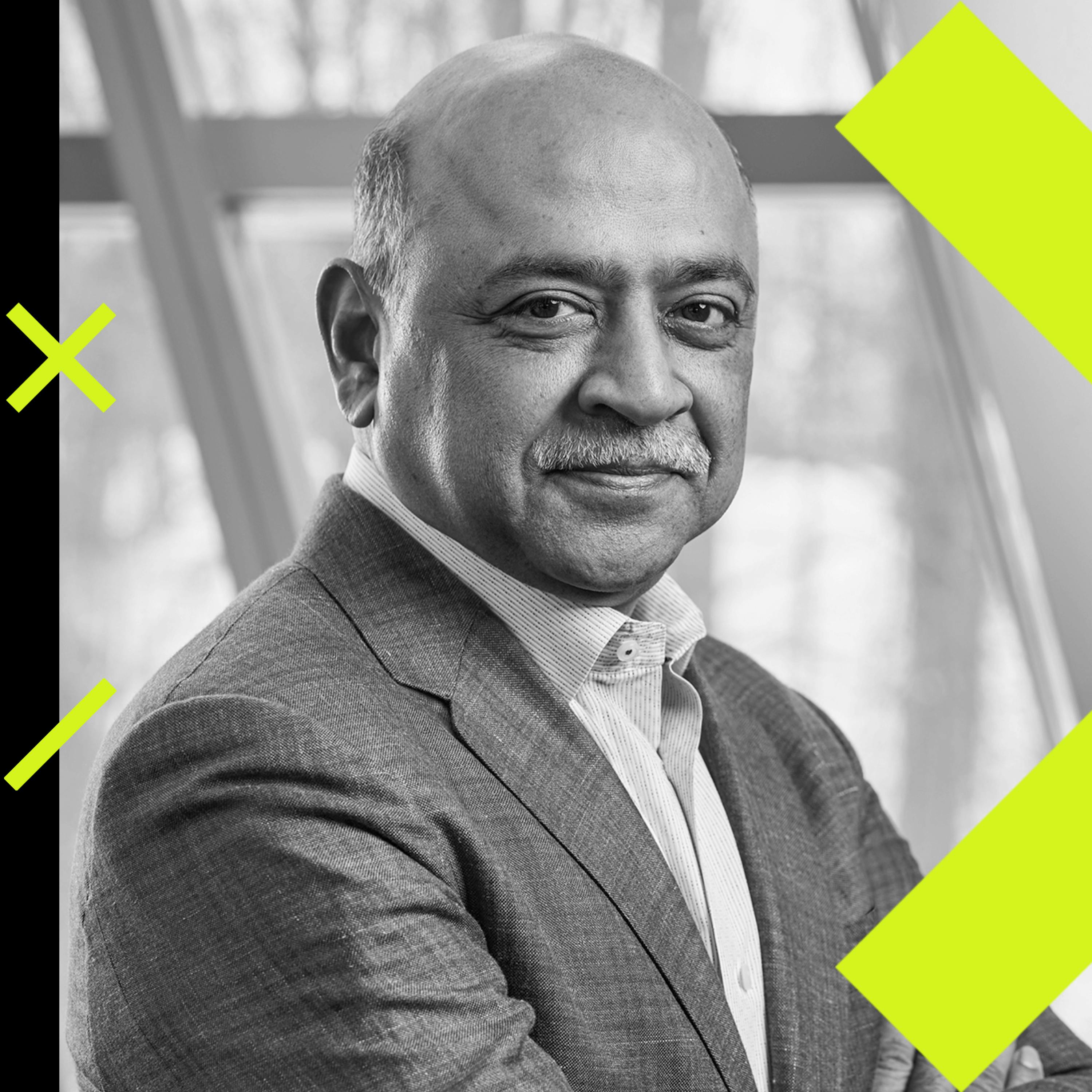
Arvind Krishna keeps a Red Hat on his shelf to symbolize the conviction behind the $34B acquisition. He believes that if a leader's conviction on a company-altering bet is wrong, they "should be fired." It represents the intense personal accountability needed to push through high-stakes strategic change.