Get your free personalized podcast brief
We scan new podcasts and send you the top 5 insights daily.
Frame your inbox as an extension of your home, as Elizabeth Gilbert does. If a stranger enters uninvited and makes a demand, you owe them nothing—not even a polite response. This mental model empowers you to delete unsolicited emails guilt-free, simplifying your digital life and protecting your boundaries.

Related Insights
Writer Maria Popova argues that apologizing for how you manage your time is apologizing for your life. She stopped using auto-responders or explaining response delays, trusting that people understand everyone is doing their best with their own complex set of invisible demands.
An unplanned day gets consumed by incoming requests, just as an unbudgeted dollar gets spent reactively. By disabling reactive inputs like email notifications and scheduling dedicated time for them, you control your schedule proactively, ensuring your own priorities are met first.

Using 'unread' emails as a to-do list creates a tedious ritual of re-opening and re-marking messages. A more efficient system is to treat the entire inbox as the to-do list and archive emails immediately once they are handled. This eliminates the need to maintain 'unread' status and simplifies your workflow.

Combat workday anxiety by setting 2-3 key goals *before* opening your inbox or Slack. This proactive approach ensures you're driving your work, rather than reacting to a tidal wave of incoming requests, which fosters a sense of control and reduces stress.

Modern tools like email clutter our minds with external priorities, preventing the free mental space needed for our unconscious to work on our own important goals. To be creative, one must deliberately carve out time away from these reactive inputs and 'clean your mind'.
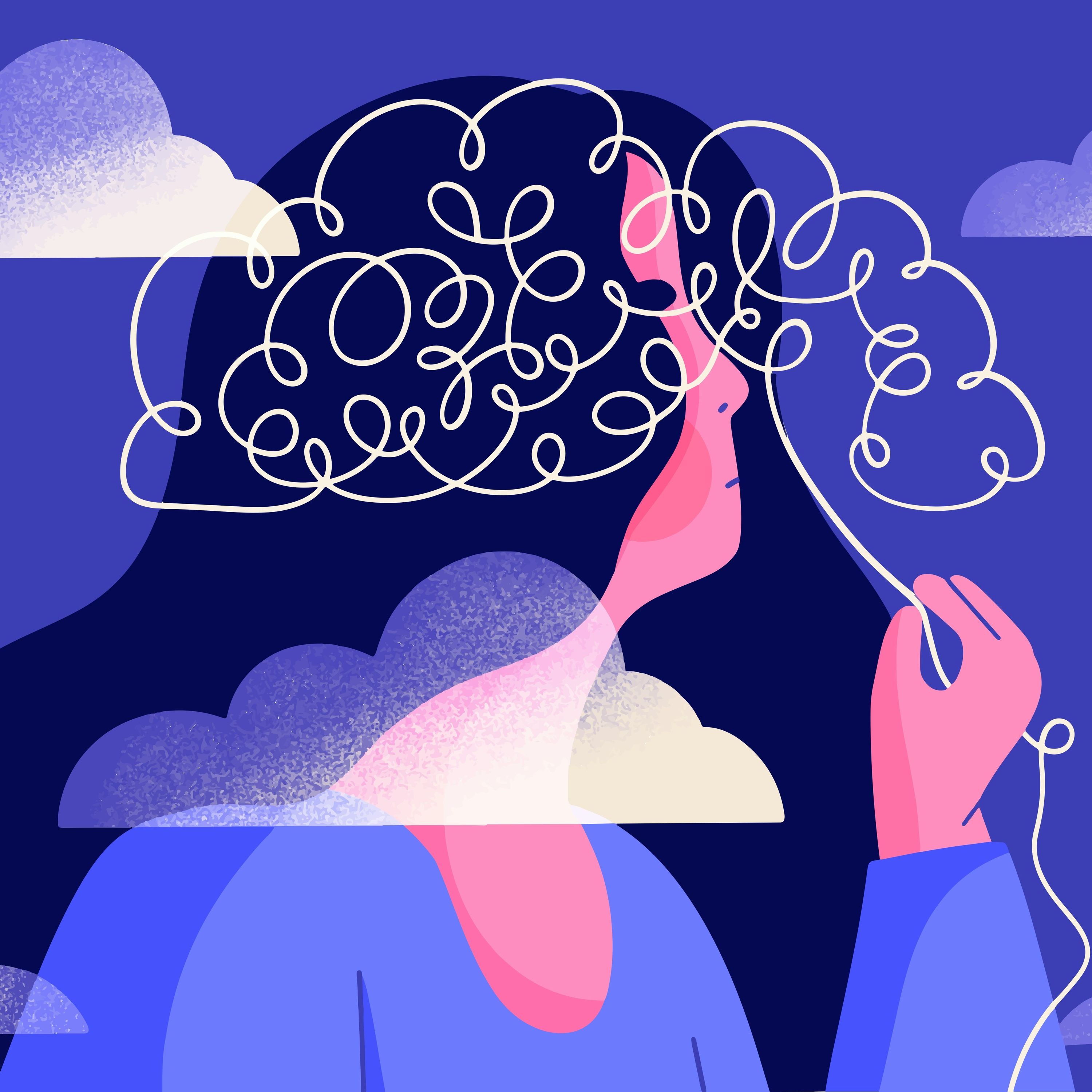
When dealing with frustrating emails, use an AI agent to first summarize the message into objective bullet points, separating substance from tone. Then, have the AI draft a polite, empathetic response. This preserves your emotional energy for more important work.

The primary benefit of clearing your inbox daily isn't just tidiness, but the elimination of background anxiety about what urgent tasks or problems might be hidden. This mental clarity empowers you to act on important items without the stress of the unknown, transforming email from a source of dread into a manageable tool.
To manage overwhelming inbound communication, reframe every keystroke as a finite resource. Instead of spending them on emails that serve one person ('where keystrokes go to die'), invest them in higher-leverage activities like writing a book or article that can serve millions. This is what your audience truly wants.

The primary goal of your first email isn't to share links or content; it's to get a reply. A reply is the strongest signal to inbox providers like Gmail that your emails are wanted, dramatically improving future deliverability and keeping you out of the spam folder.
The endless stream of inbound messages creates a false sense of obligation. To protect your most valuable resource—attention—develop the counterintuitive habit of deleting or ignoring non-essential requests. An email from someone else does not automatically create a task for you.
