Get your free personalized podcast brief
We scan new podcasts and send you the top 5 insights daily.
Instead of competing on economies of scale against mass manufacturers and discount retailers, brands are shifting toward 'economies of scarce.' By selling low-quantity, highly personalized customizations—such as Crocs offering designer Jibbitz for up to $995 or Ford charging $5,000 for limited-edition modifications—companies unlock markups that yield almost pure profit margins. While customization cannot scale in volume without eroding uniqueness, it captures consumers willing to pay premiums for rarity.

Related Insights
To combat customers finding his products cheaper elsewhere, Drew Scott pivoted his e-commerce store to selling unique vintage items. This intentionally unscalable model of sourcing one-of-a-kind pieces created a powerful competitive moat that prevented price shopping.

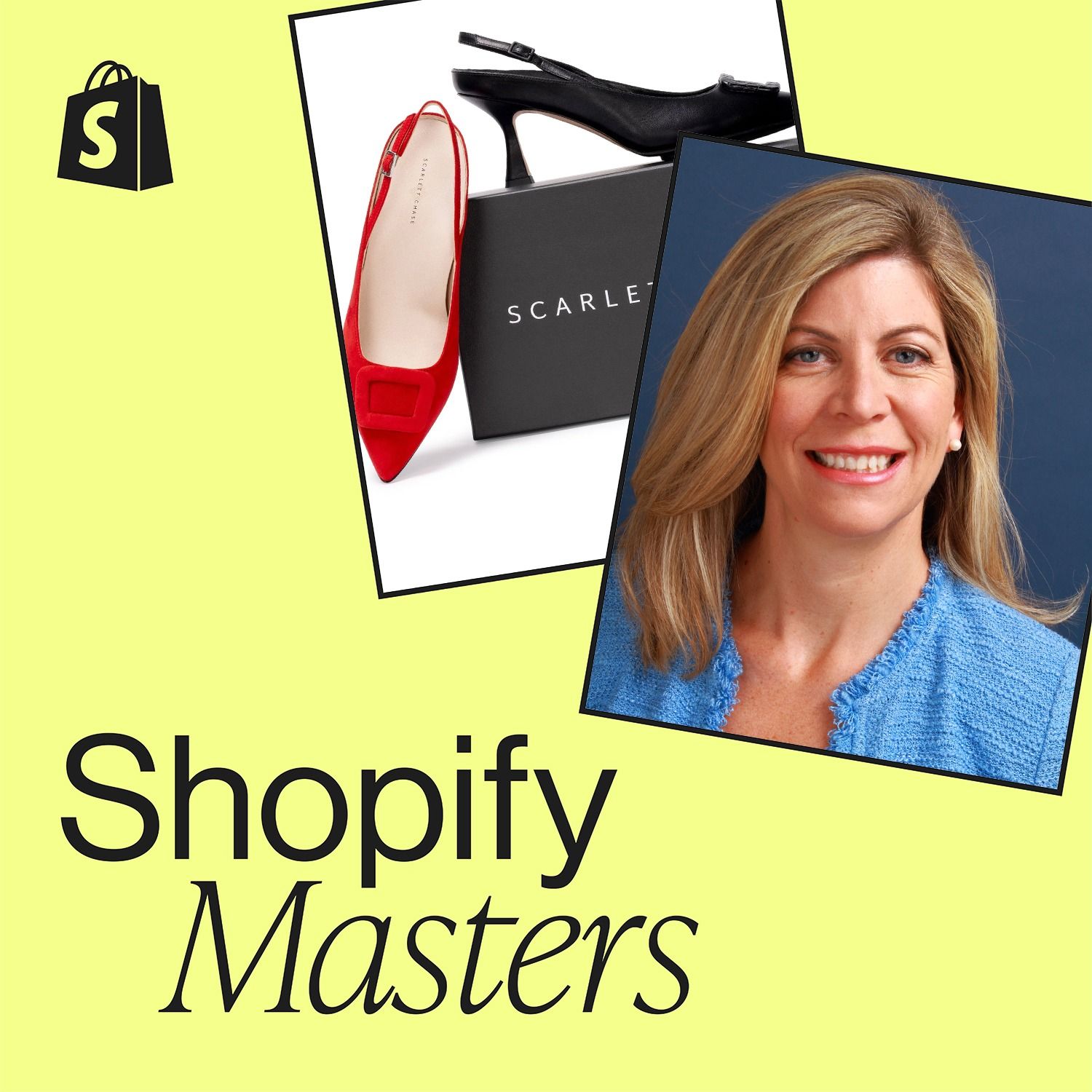
Instead of lowering prices to capture a wider audience, Scarlet Chase embraces a high-end niche. The founder's philosophy is that diluting the product's quality for broader appeal is a mistake. The strategy is to deliver exceptional value to a focused group of customers who can afford and appreciate the investment.
Starbucks' limited-edition items, like a "bearista" cup selling for $500 on eBay, create massive hype through engineered scarcity. This strategy shows that for certain brands, limited-run physical goods can be a more potent marketing tool than the core product itself, fostering a collector's frenzy and a lucrative secondary market.

While economies of scale reduce costs, 'economies of scarce' increases perceived value. After diluting its brand with mass production under Volkswagen, Porsche is now intentionally reducing volume to restore exclusivity and pricing power, demonstrating a shift from 'volume over value' to 'value over volume'.
Selling a Ferrari isn't a one-time transaction; it's the start of a multi-decade customer relationship. Owners must use specialized Ferrari servicing, creating a captive, high-margin aftermarket for parts, maintenance, and customization that other automakers lack.

For a premium DTC brand, broad retail expansion is a trap that reduces margins, invites knockoffs, and cheapens the brand. Instead, selectively partner with only a few key, trusted retailers to reach new, targeted audiences without overexposing the product and sacrificing its premium positioning.

Ferrari's brand strategy is unique among luxury goods. It leverages scarcity like Hermès but also cultivates a massive, global fanbase like a major sports team. This fan worship, from people who will never own a car, enhances the brand's appeal and value to the clients who actually can, creating a powerful, self-reinforcing moat.

Businesses can build a moat by either manufacturing scarcity to create exclusivity and pricing power (like Hermes) or by systematically eliminating it to offer unbeatable prices and volume (like Costco). Both are deliberate strategic choices that leverage the same economic principle in opposite ways.
The iPhone is arguably the most successful product in history because it defied the typical business trade-off between volume and margin. It achieved the mass-market scale of a Toyota while maintaining the premium profit margins of a luxury brand like Ferrari.

A brand can make a generic product unique, commanding higher prices and loyalty. Products may come off the same manufacturing line as a generic store brand, but the brand itself allows for a price premium, higher conversion, and increased stickiness, effectively creating a moat where one didn't exist.
