Get your free personalized podcast brief
We scan new podcasts and send you the top 5 insights daily.
To combat customers finding his products cheaper elsewhere, Drew Scott pivoted his e-commerce store to selling unique vintage items. This intentionally unscalable model of sourcing one-of-a-kind pieces created a powerful competitive moat that prevented price shopping.

Related Insights
Plant Material vets its hard-good suppliers based on their online pricing strategy. If a brand allows its products to be sold at wholesale prices directly to consumers online, the company won't carry them, proactively protecting its ability to compete and maintain retail margins.

Physical products are easily copied. While patents help, brand is the most durable competitive moat. A strong brand lowers acquisition costs, increases lifetime value, and commands premium pricing—advantages that copycats cannot replicate, even if they perfectly clone the product.

When Trader Joe's refused to provide a product catalog, the Instacart team spent $20,000 to buy one of every single item in the store. They then photographed everything to create the catalog themselves, an unscalable action that unlocked a key retailer and helped find product-market fit.

While competitors offered limited options, My Two Brows embraced the operational complexity of 275 SKUs. The founder recognized the high inventory requirement was a significant barrier to entry for others, turning a logistical challenge into a key differentiator and a sustainable competitive advantage.
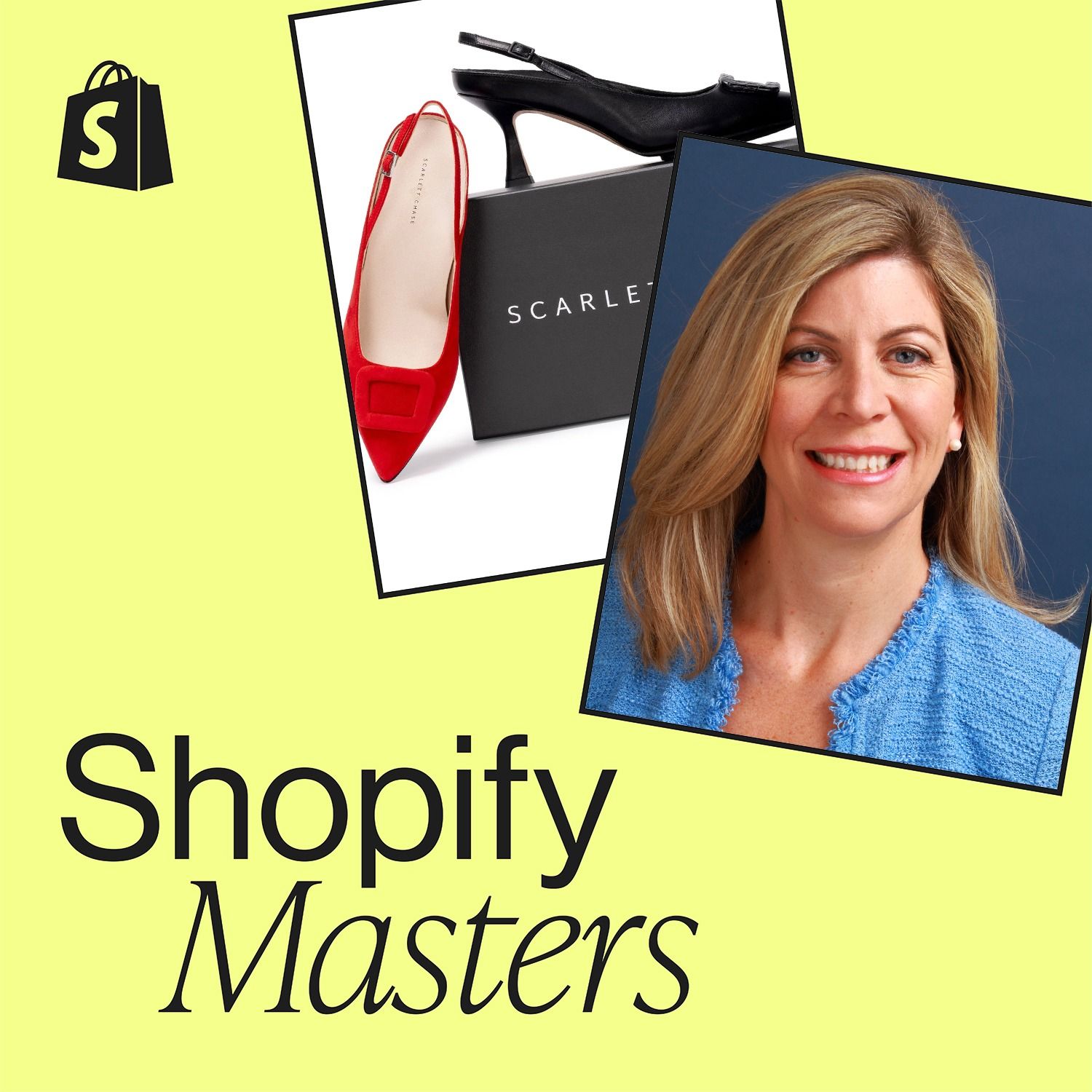
Instead of lowering prices to capture a wider audience, Scarlet Chase embraces a high-end niche. The founder's philosophy is that diluting the product's quality for broader appeal is a mistake. The strategy is to deliver exceptional value to a focused group of customers who can afford and appreciate the investment.
Unlike brands that flood the market and rely on markdowns, Norwegian Wool carefully controls its distribution channels and production quantities. This ensures a high percentage of items sell at full price, creating real margins and a "fear of missing out" that drives early-season sales.

Unlike D2C competitors who are primarily marketers that outsource production, Spot & Tango vertically integrated by building its own factory. This contrarian move created a strong competitive moat through proprietary processes, quality control, and supply chain ownership.

Businesses can build a moat by either manufacturing scarcity to create exclusivity and pricing power (like Hermes) or by systematically eliminating it to offer unbeatable prices and volume (like Costco). Both are deliberate strategic choices that leverage the same economic principle in opposite ways.
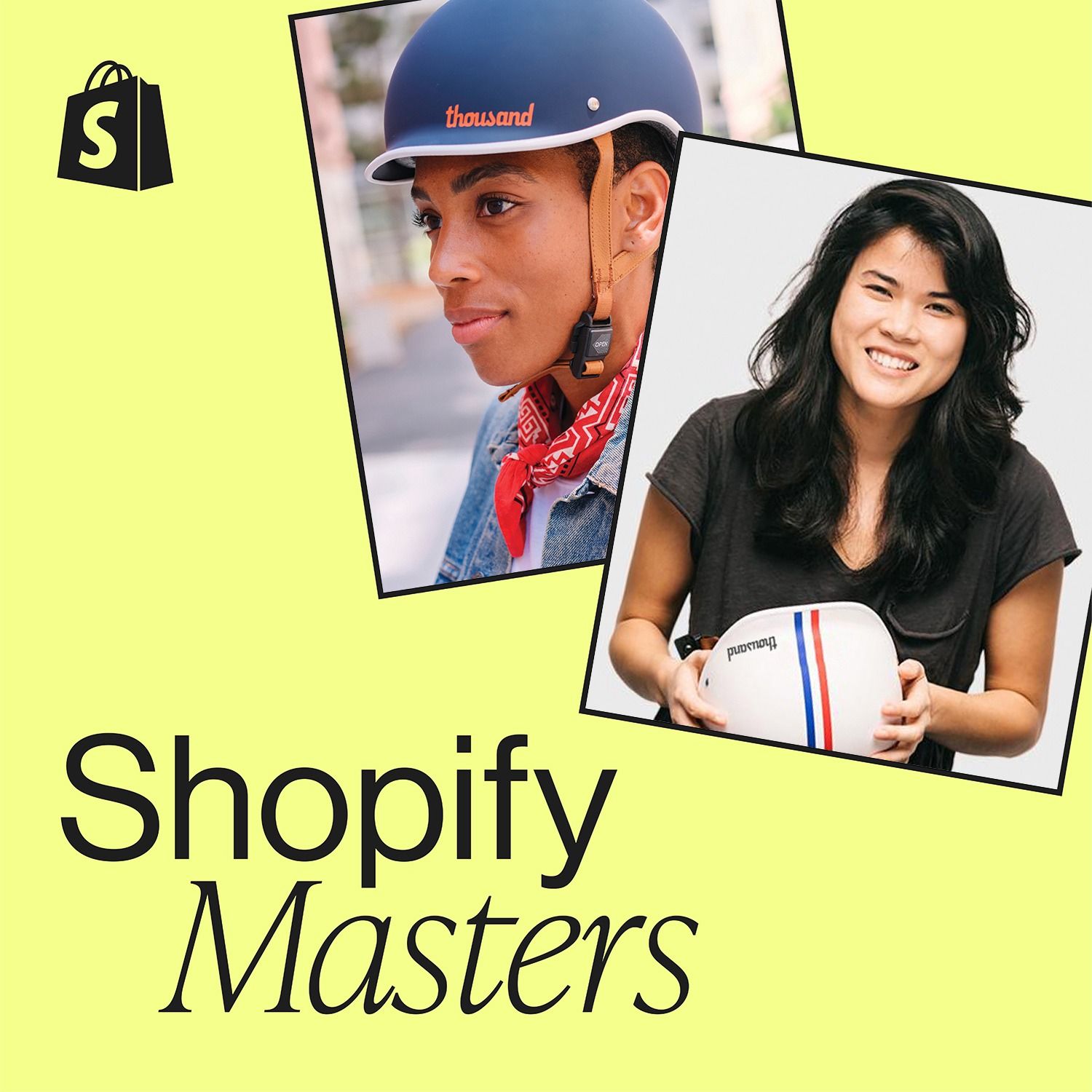
When larger competitors launched "Thousand Killer" copycat products, the founder resisted competing on price or features. Instead, she doubled down on deep customer insights and brand differentiation, moving further away from the competition. This proved more effective than engaging in a feature or price war, reinforcing their market position.
Instead of competing on commodity products, Shopify aimed to create a 'monopoly on all products that are actually interesting.' This strategy focused on empowering creators of unique goods, disintermediating Amazon's dominance.