Get your free personalized podcast brief
We scan new podcasts and send you the top 5 insights daily.
While economies of scale reduce costs, 'economies of scarce' increases perceived value. After diluting its brand with mass production under Volkswagen, Porsche is now intentionally reducing volume to restore exclusivity and pricing power, demonstrating a shift from 'volume over value' to 'value over volume'.

Related Insights
Shareholder value is created by managing the gap between cost, price, and perceived value. Walmart wins by relentlessly pushing down costs to lower prices and increase value. Luxury brands like Tiffany win by pushing up perceived value through branding and scarcity, allowing them to raise prices.
Jaguar's goal is not to meet all initial demand. A situation where demand exceeds supply, creating wait times, is considered a "nice problem." This strategy of managed scarcity is crucial in the luxury auto market to avoid oversupply, which would destroy residual values and dilute the brand's exclusivity.

Starting with a high-end, low-volume product (like the Tesla Roadster) builds brand prestige and is operationally manageable. This top-down approach makes subsequent, more affordable products seem desirable. The reverse—a budget brand trying to sell a premium product—rarely works.

High-end luxury brands that cultivate scarcity with long waitlists are resilient during economic downturns. Customers on the waitlist feel compelled to purchase when their turn comes, regardless of the economic climate, to maintain their standing with the brand.

For luxury brands, raising prices is a strategic tool to enhance brand perception. Unlike mass-market goods where high prices deter buyers, in luxury, price hikes increase desirability and signal exclusivity. This reinforces the brand's elite status and makes it more coveted.
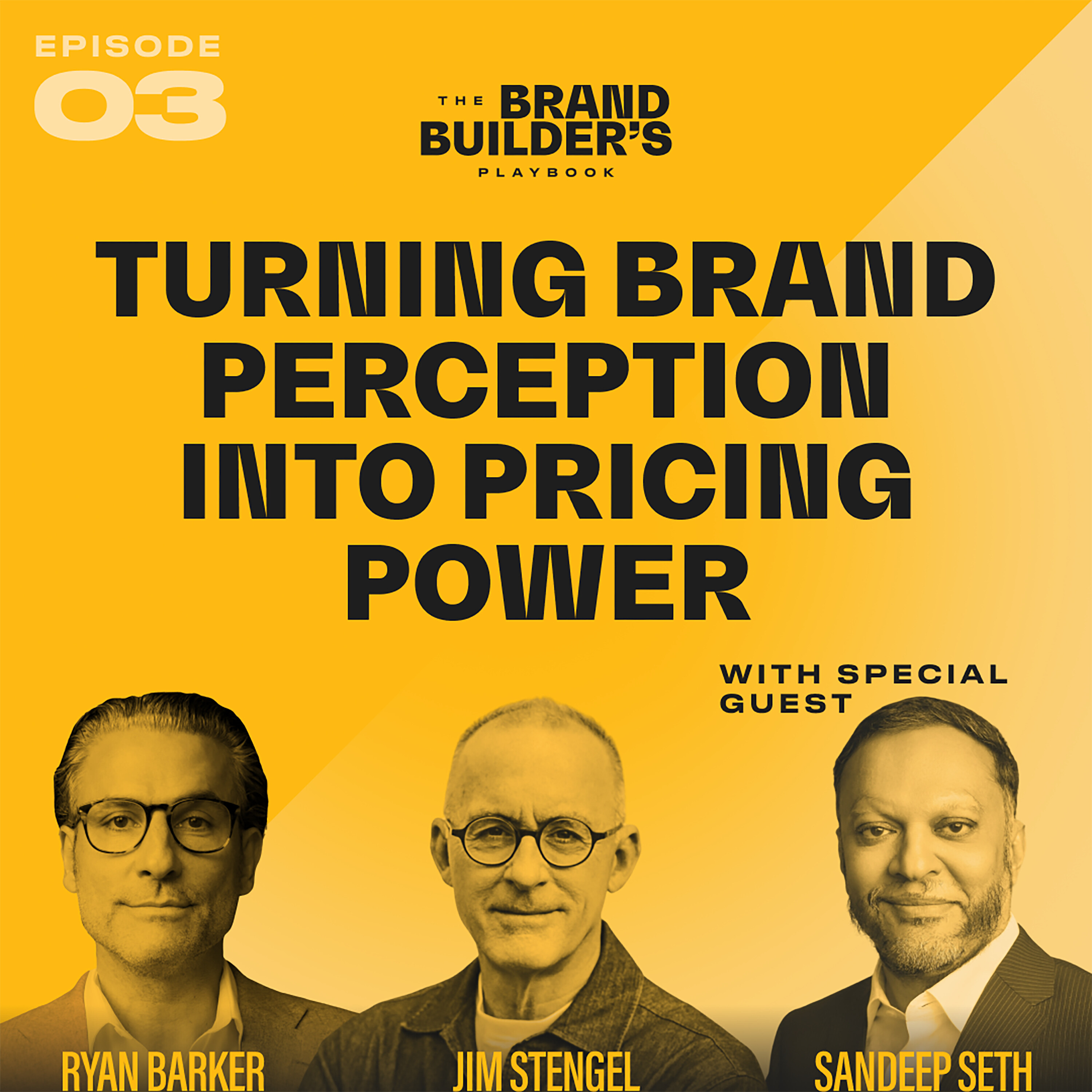
Pricing power allows a brand to raise prices without losing customers, effectively fighting the economic principle that demand falls as price rises. This is achieved by creating a brand perception so strong that consumers believe there is no viable substitute.
Despite massive endowment growth, top universities like Harvard have kept freshman class sizes static for decades. This purposefully constrains supply, transforming higher education from a public service into a luxury good, where exclusivity is a feature, not a failure.

As luxury brands consolidate into huge corporations, they face a paradox: their prestige relies on exclusivity, but their business models require mass-market scale. The solution is a new paradigm where status is framed as inclusive and 'for everyone,' turning the concept of prestige proletarian.

Unlike typical goods, Hermès Birkins are "Veblen goods." This economic principle means that as their price increases, consumer desire and demand paradoxically also increase. This manufactured scarcity is a core driver of their investment value, a status shared by few other brands like Patek Philippe and Ferrari.

Businesses can build a moat by either manufacturing scarcity to create exclusivity and pricing power (like Hermes) or by systematically eliminating it to offer unbeatable prices and volume (like Costco). Both are deliberate strategic choices that leverage the same economic principle in opposite ways.