Get your free personalized podcast brief
We scan new podcasts and send you the top 5 insights daily.
Musk cautions against aspiring to be like him, highlighting the intense personal pain and self-torture that fuels his relentless work ethic. He suggests this 'rage demon' is a necessary but damaging component of his success, not a glamorous trait to be emulated.

Related Insights
For some high achievers, the intense drive for success isn't just about wealth or status. It's a deeply personal mission to prove they are fundamentally different from their origins—a 'revenge' for the circumstances of their birth.

The intense, relentless drive seen in many successful entrepreneurs isn't normal ambition. It's often a corrosive fuel derived from significant personal trauma, like family financial ruin. This experience provides a level of motivation that those from more stable backgrounds may lack.

The intense drive to achieve is often rooted in past trauma or insecurity. This "chip on the shoulder" creates a powerful, albeit sometimes unhealthy, motivation to prove oneself. In contrast, those with more content childhoods may lack this same ambition, prioritizing comfort over world-changing success.

The personality trait that drives outlier entrepreneurial success isn't mere ambition, but a "tortured" state of mind. These individuals feel a constant, painful inadequacy that compels them to achieve extraordinary things. This drive often comes at the expense of their personal well-being, family life, and mental health.
![[REPLAY] Morgan Housel – Same as Ever (EP.359) thumbnail](https://static.libsyn.com/p/assets/f/b/7/6/fb76e1c8bfb69e8dd959afa2a1bf1c87/CA_Square_logo_light_background_6.26.24.jpg)
While one might hope to build a successful hardware company without being 'uncompromisingly demanding,' experience suggests otherwise. People are capable of far more than they believe, but almost always require extrinsic motivation. This tough leadership style appears necessary for succeeding in competitive hardware manufacturing.
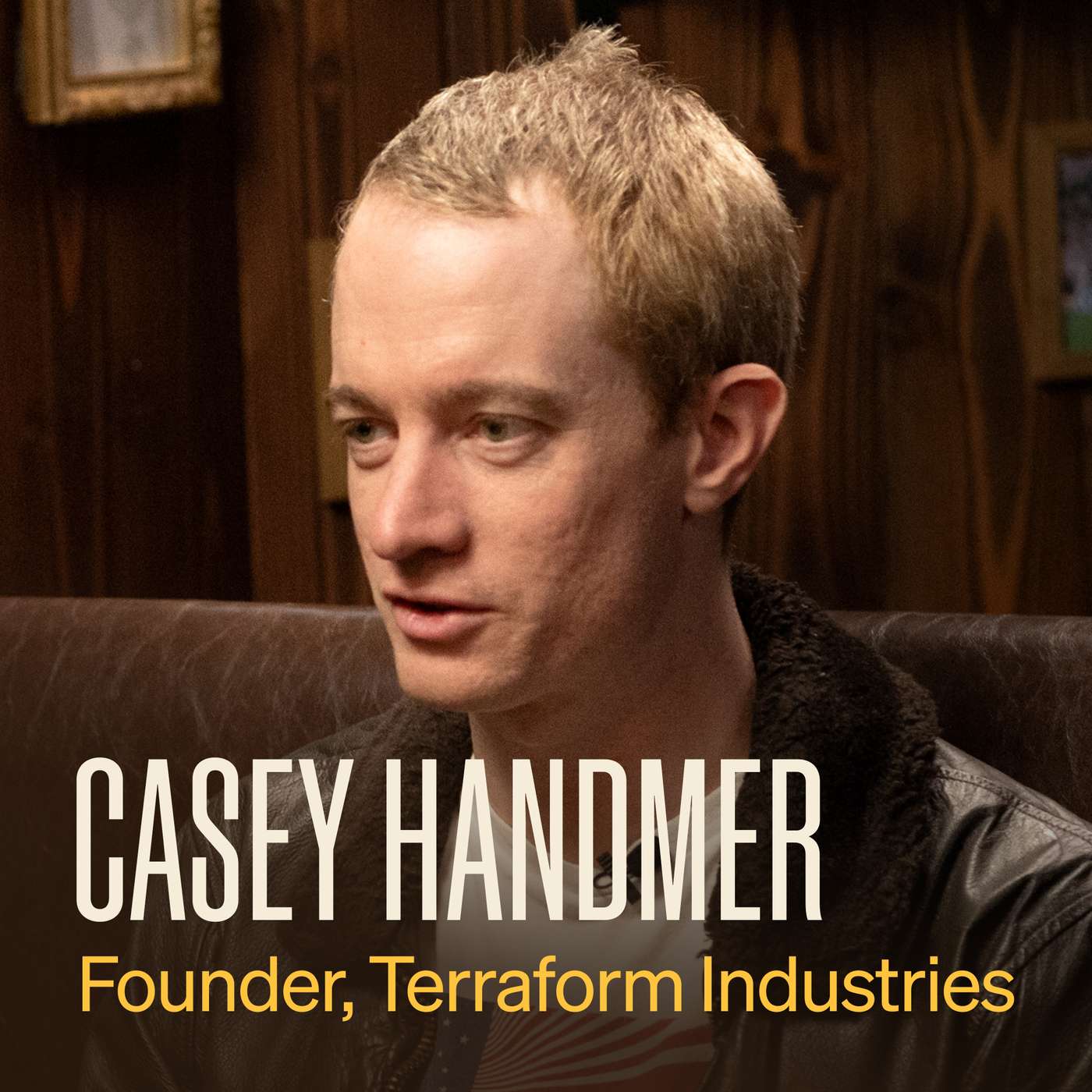
The mental challenges of building a company are immense. Musk's advice is not to seek encouragement, but to ensure your passion for the work is strong enough to withstand the inevitable suffering. He bluntly states, 'If you need encouragement, don't start a company.'
The intense, unreasonable passion that fuels hyper-growth is the same trait that can lead a founder to make reckless, company-threatening decisions. You can't have the creative genius without the potential for destructive behavior. The same person who clears the path can also blow everything up.
In a Joe Rogan interview, the multi-trillion-dollar company's CEO revealed a constant state of anxiety. This insight shows that for some hyper-successful entrepreneurs, the intense pressure and memory of near-disasters are more potent motivators than the abstract goal of success, creating an insanely lonely experience.

Society rewards the ability to outwork and out-suffer others, reinforcing it as a valuable trait. However, this skill is not compartmentalized. It becomes toxic in private life, leading high-achievers to endure maladaptive levels of suffering in their relationships and health, unable to switch it off.

Motivation from negative sources like resentment or proving others wrong (“dirty fuel”) can be a highly effective and persistent driver of achievement. While purpose-driven “clean fuel” may be healthier, the practical utility of a never-expiring chip on the shoulder should not be underestimated.
