Get your free personalized podcast brief
We scan new podcasts and send you the top 5 insights daily.
Mockler prioritizes YouTube for long-form content and revenue, then repurposes it for other audio and short-form platforms like Facebook, Spotify, and TikTok. This creates a scalable, self-funded media business by systematically distributing content from a primary source to secondary channels.

Related Insights
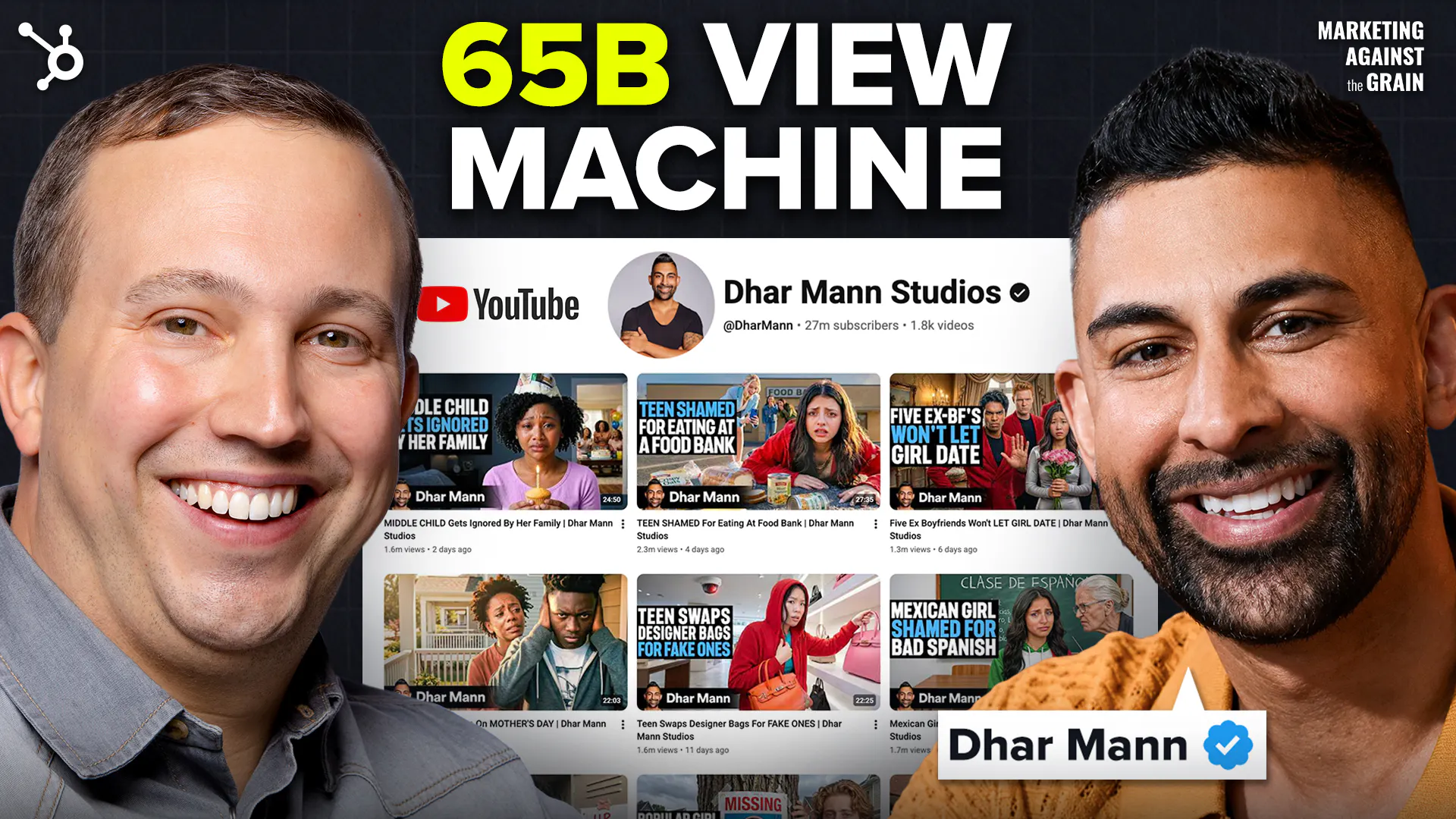
Dhar Mann leveraged his massive YouTube audience as a flywheel to build a multi-faceted media business. He diversified from platform ad revenue to partnerships with Samsung (FAST), Fox (Vertical Dramas), and a podcast. This proves a creator channel can be the foundation for a vertically integrated media company, not just an endpoint.
Roka News diversified beyond its initial Instagram success into a five-pillar business: Instagram, free/paid newsletters, a subscription app, and YouTube. Content is repurposed and shared across these platforms, allowing them to reach different audience preferences and create multiple revenue streams.

Relying on one platform and its payments is a high-risk strategy due to algorithm volatility. Successful creators build resilience by distributing content across multiple platforms (podcasts, newsletters, websites) and combining revenue from ads, sponsorships, and direct sales.

While a fellow creator treated YouTube as a personal blog, Hormozi applied a full-stack business approach with a dedicated team, high volume, and multi-platform distribution. This mindset difference led to exponential growth, demonstrating that platform success often hinges on operational intensity, not just content quality.

Unlike ephemeral social media posts, YouTube videos can surface in search results and recommendations for years. A simple tutorial from 2011 remained one creator's most popular video for an extended period, demonstrating the platform's power for creating evergreen assets.

While TikTok excels at creating one-off viral moments, it fails to provide tools for building a sustainable audience and business. Serious creators increasingly use the platform as a launchpad for initial exposure before migrating their audience to platforms like YouTube, which offer superior community-building and monetization features.

Unlike studios risking billions on upfront investments, YouTube only pays for successful content via revenue sharing. Creators then reinvest this money into better productions, improving the platform's overall quality and capturing more audience attention in a virtuous, self-funding cycle.
Unlike platforms where content expires quickly, YouTube videos have a long-tail effect, driving views for years. The winning mindset is to stop treating it like a social feed and start building a comprehensive 'content library.' Each video is a permanent asset that serves your audience on demand.
Matt McGarry's 'Big Three' strategy posits YouTube, podcasts, and newsletters as core media pillars. All other platforms, like LinkedIn or X, should be treated strictly as discovery channels. This framework clarifies their role as top-of-funnel tools, preventing creators from misallocating resources on platforms they don't own.
Koerner's long-form channel stagnated because the YouTube algorithm was confused by his mix of standalone shorts and long-form videos. Creating a new, separate channel for shorts allowed the algorithm to properly categorize and promote his long-form content to the right audience, sparking massive growth.