Get your free personalized podcast brief
We scan new podcasts and send you the top 5 insights daily.
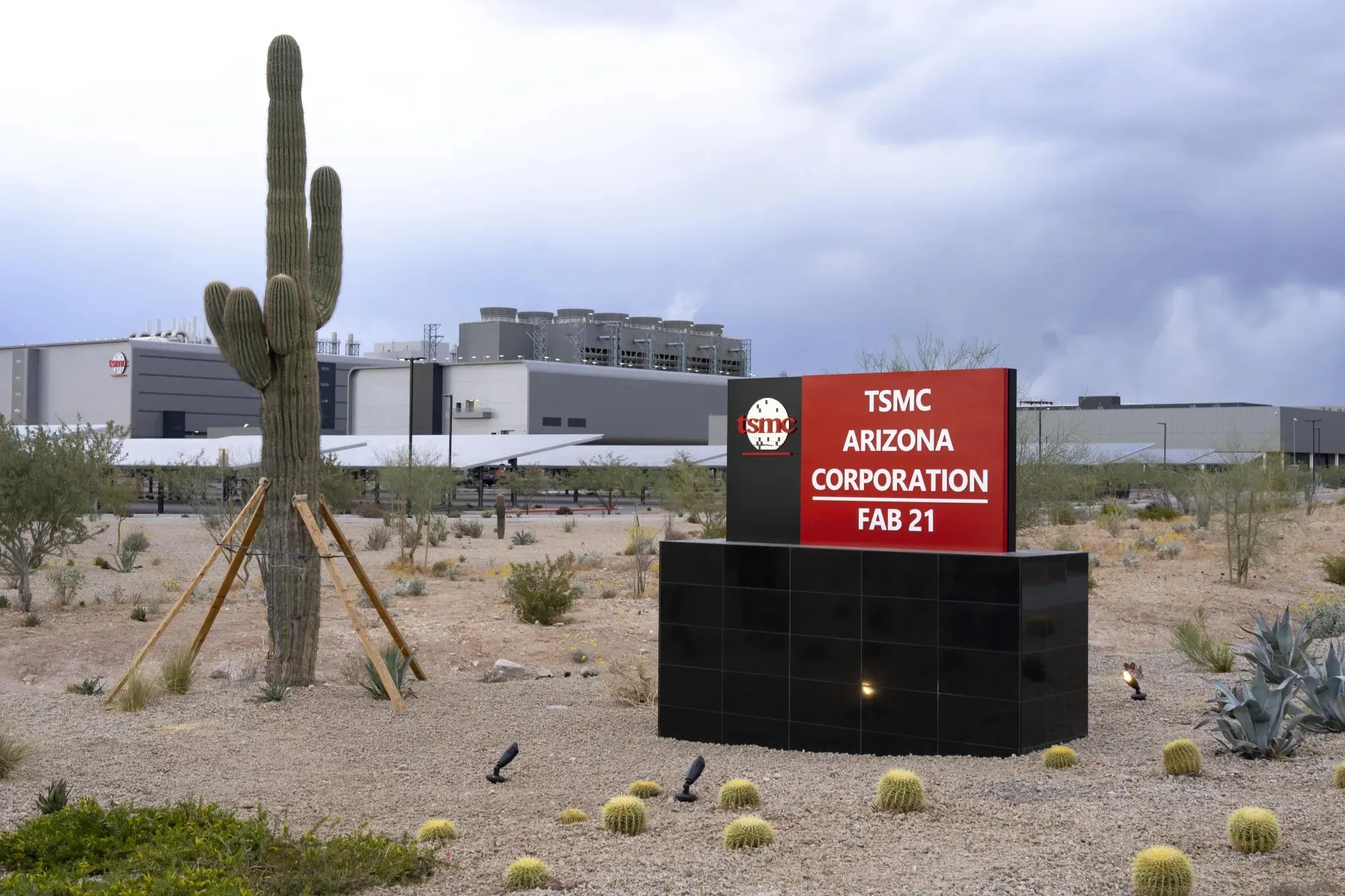
Arizona struggled to permit new fabs because the 1970s Clean Air Act, designed for high-emission industrial areas, created an 'offset' problem in the low-emission state. This highlights how outdated regulations can unintentionally hinder critical modern projects, even those with broad political support.
Related Insights
Contrary to popular belief, the success of semiconductor industries in Taiwan and Korea isn't primarily due to massive government subsidies. Instead, their governments excel at creating an extremely stable and predictable business environment with streamlined permitting and minimal regulatory friction, which is more critical for long-term, capital-intensive projects.

Proposed legislation defining AI data centers by specific metrics like power capacity (e.g., 20 MW) will likely incentivize creative circumvention. Rather than halting construction, developers may opt for building numerous smaller, adjacent facilities that fall just below the legal threshold, demonstrating how specific rules can beget unintended structural consequences.

America's slow permitting process and "Not In My Backyard" (NIMBY) culture create a critical bottleneck for essential energy and tech infrastructure. Contrasted with China's rapid development, this inability to build becomes a strategic disadvantage, threatening US innovation, economic growth, and global competitiveness.
![John Arnold - China, Energy Markets and Fixing America's Systems - [Invest Like the Best, EP.461] thumbnail](https://megaphone.imgix.net/podcasts/8d466670-1755-11f1-baf2-dfb3d97a3978/image/4ec9ac82b5c7a937e9e90aa69d037805.jpg?ixlib=rails-4.3.1&max-w=3000&max-h=3000&fit=crop&auto=format,compress)
Arizona's ability to build new industries quickly may stem from not being tied to a legacy identity like oil, gas, or automotive. This lack of 'industrial sediment' prevents the institutional inertia that can slow down other states from pivoting to new technologies like semiconductors.
Regulating technology based on anticipating *potential* future harms, rather than known ones, is a dangerous path. This 'precautionary principle,' common in Europe, stifles breakthrough innovation. If applied historically, it would have blocked transformative technologies like the automobile or even nuclear power, which has a better safety record than oil.

A long-standing state law mandates that new developments in metro areas prove a 100-year water supply. While once a regulatory hurdle, this policy now provides certainty to water-intensive businesses like semiconductor fabs, making Arizona more attractive than other drought-prone Western states.
Beyond immense technical challenges, US chip manufacturing is stymied by short political cycles. Fabs require multi-administration timelines (5-6 years) and stable, long-term policy support, which is difficult to maintain in the American political system, creating a significant hurdle for reshoring.

ERCOT's old approval process created a doom loop. A project would get an initial study, but the 3-5 year process to secure land and financing allowed so many new applications to queue up that the original project had to be restudied, creating endless delays and pushing investment out of state.

By regulating its clean, high-paying refineries out of existence, California did not eliminate its need for oil. Instead, it now imports dirtier fuel from farther away, losing jobs and tax revenue while increasing its net global carbon footprint—a classic case of unintended consequences.

The tech industry has the knowledge and capacity to build the data centers and power infrastructure AI requires. The primary bottleneck is regulatory red tape and the slow, difficult process of getting permits, which is a bureaucratic morass, not a technical or capital problem.
