Get your free personalized podcast brief
We scan new podcasts and send you the top 5 insights daily.
A labor economist argues the focus on AI's potential job displacement distracts from a more immediate crisis: the US's poorly designed unemployment system. Historical tech adoption is slow, and improving tangible worker support policies should be the priority over speculative AI debates.

Related Insights
AI is more than a tool for modernizing government services. It's a disruptive force that changes society's needs, compelling government to ask if its existing programs are even the right ones. For instance, is unemployment insurance the correct response to permanent, AI-driven job displacement?

Whether AI leads to a catastrophic 40% unemployment rate or a desirable three-day workweek is fundamentally the same in terms of total hours worked. The outcome depends entirely on policy and wealth distribution choices, such as creating more public holidays or an 'AI dividend,' rather than the technology's inherent effect.

The narrative blaming AI for job insecurity is misdirected. The true cause is decades of government promising services it can't efficiently deliver, leading to inflation and distorted markets. AI is a convenient, visible target for problems with deeper roots in policy.

High-paid white-collar workers losing jobs to AI may not file for unemployment insurance (UI). The benefits are often too low to be meaningful for them, and the application process is cumbersome. This could mean that official UI claims data is understating the true extent of labor market softening in professional services industries.

Contrary to common belief, new research suggests the Industrial Revolution's new technologies spread too slowly to cause immediate, widespread job loss. Wages held steady despite rapid population growth, a historically positive outcome. This provides a data-backed counter-narrative to fears of rapid, AI-driven unemployment, suggesting a more gradual transition is likely.
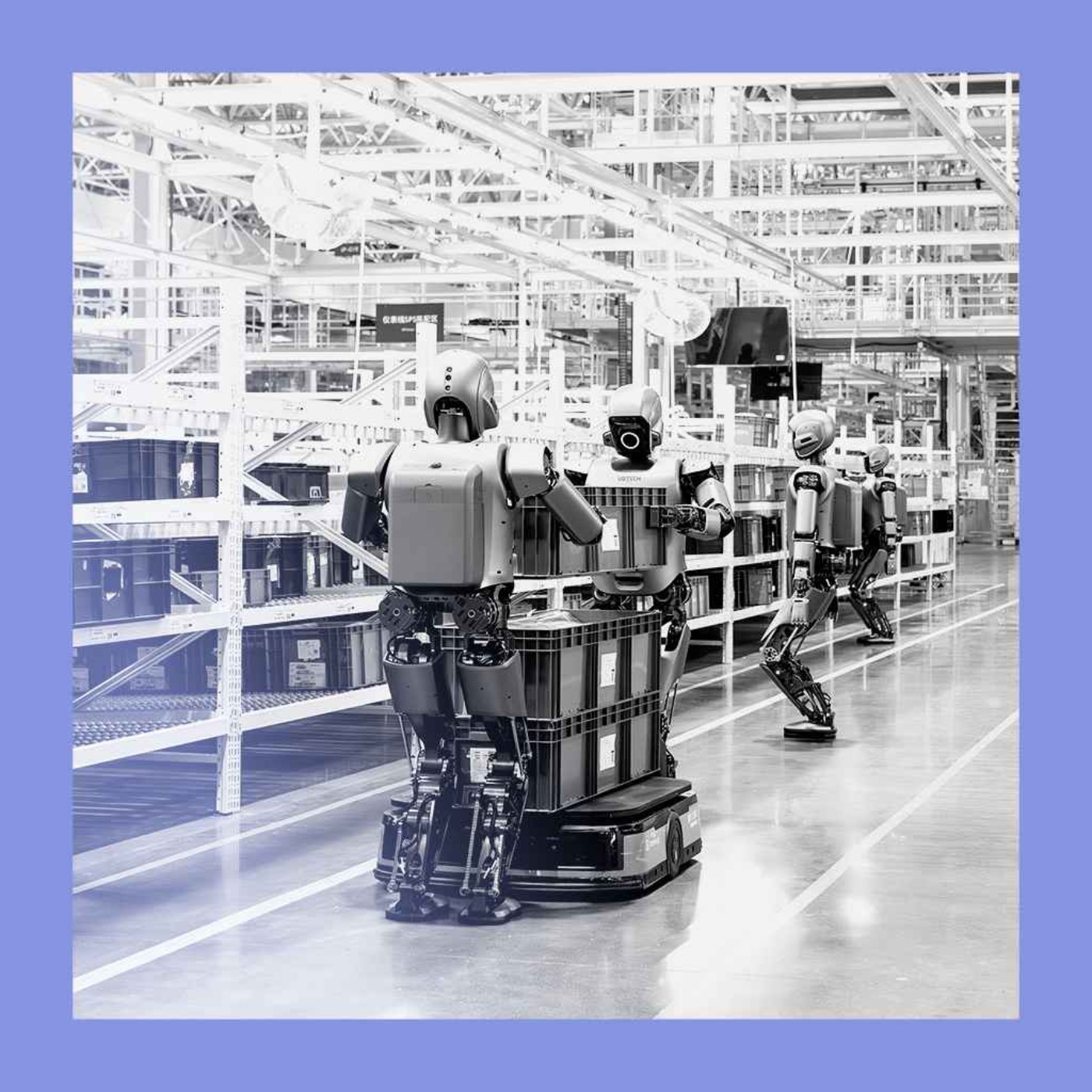
Economic analysis controlling for business cycles reveals a small but measurable increase in unemployment for roles with high AI exposure. This suggests AI's labor market disruption is not just a future possibility but a current, albeit modest, reality.

Former Commerce Secretary Raimondo argues that technological leadership in AI is meaningless if it leads to mass unemployment and civil unrest. True victory requires innovating social support systems with the same urgency as developing AI models and chips.

The potential rise in unemployment from AI will not happen in a vacuum. Central banks and governments are expected to use tools like interest rate cuts, unemployment benefits, and targeted spending to stimulate the economy, thereby shortening and reducing the severity of any labor disruption.
Past technological shifts occurred over decades, allowing labor markets to gradually adjust. AI's disruption is happening over years, a speed that historical models can't account for. This compressed timeline means new jobs and retraining won't happen fast enough, demanding immediate policy interventions like expanded capital ownership.
A 40% reduction in work due to AI can be framed as either a catastrophic unemployment crisis or a utopian 3-day workweek. Economist Alex Tabarrok argues the outcome is not determined by the technology itself, but by policy decisions regarding the distribution of work and wealth, such as creating more national holidays.
