Get your free personalized podcast brief
We scan new podcasts and send you the top 5 insights daily.
Garden City Equity uses a holding company so all investors, regardless of when they invested, own a piece of every company. This incentivizes collaboration across the entire portfolio, as new LPs are motivated to help older portfolio companies succeed, creating a unified ecosystem.

Related Insights
GC is shifting from a traditional venture fund to a company that incubates and holds "transformation companies" like a hospital system and an AI consultancy indefinitely. These businesses are designed for long-term value creation, not quick exits, and also serve its portfolio founders.

To ensure true alignment and 'skin in the game,' offer proven managers the opportunity to buy into the HoldCo's equity rather than giving them stock grants. People value what they pay for, creating a stronger sense of ownership and long-term commitment.

To leverage its 200+ LPs without overwhelming portfolio companies, the firm acts as a strategic matchmaker. It first identifies a specific need, like supply chain optimization, and then proactively connects the company with the few LPs who have direct expertise in that area, preventing a flood of generic suggestions.
A significant, yet uncommon, sign of an LP-friendly VC is returning a portion of the carry from Special Purpose Vehicles (SPVs) to the original fund's LPs. This acknowledges that the main fund's resources and reputation sourced the follow-on investment opportunity in the first place.

Instead of relying on institutional capital, the firm raises funds from a personal network of operators and experts. This network then provides proprietary deal flow, assists with diligence and closing, and helps operate the portfolio companies, creating a self-sustaining and value-additive ecosystem.
Benchmark's unconventional structure, where all partners have equal equity and power, aligns incentives for collaboration. Instead of the 'sharp elbow' culture of hierarchical firms, this model ensures senior partners are motivated to mentor and support junior members, as everyone shares equally in their success.

Unlike Norway's model of direct government ownership, Singapore's Temasek acts as a holding company. This structure allows it to convene portfolio company leaders (e.g., in a Sustainability Council) to share insights and best practices, creating synergies that would be impossible with disparate ownership.
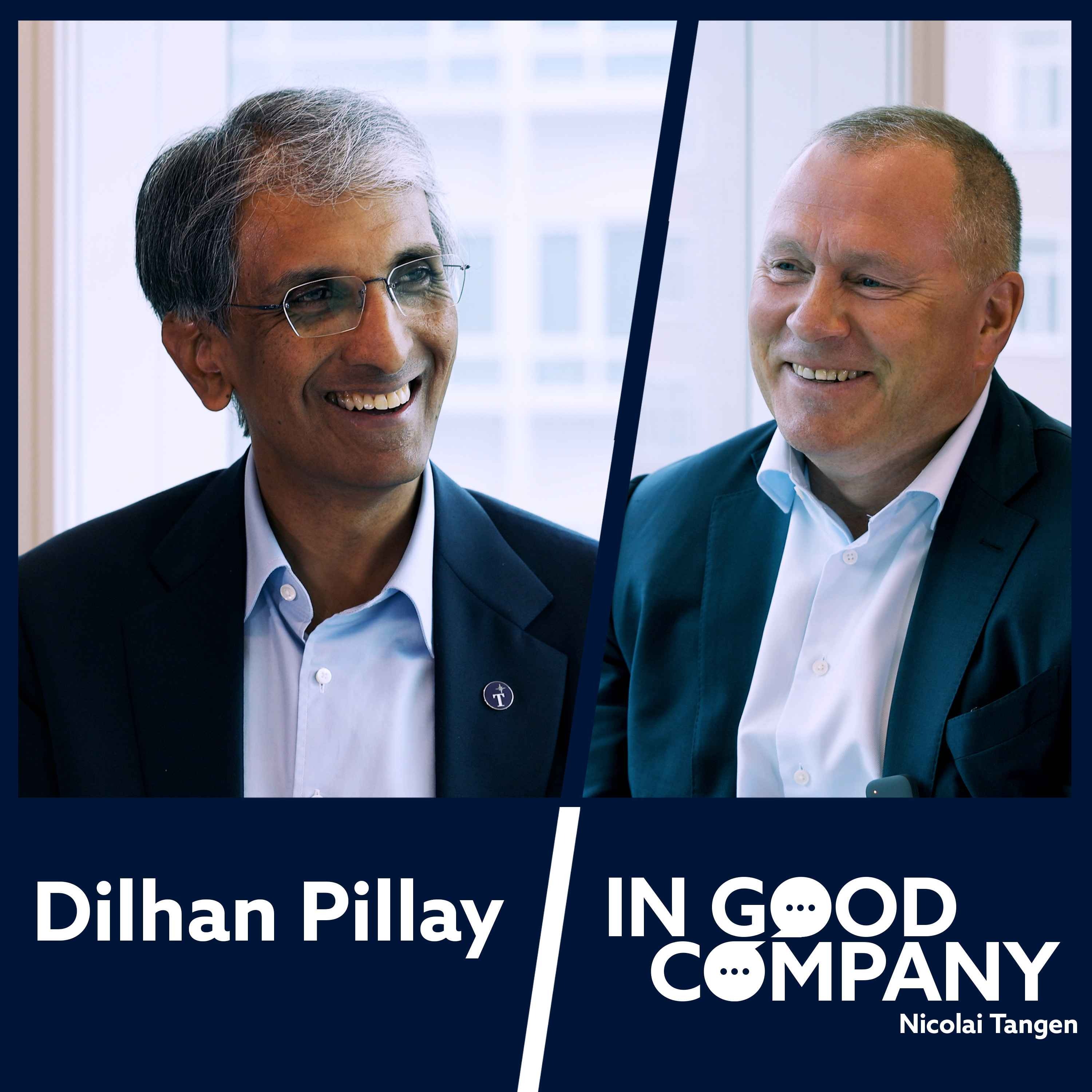
Triton rejects a hierarchy where only deal-makers are partners. They extend partnership and carried interest to functions like Investor Relations and operational units. This fosters an egalitarian "one team" culture and ensures long-term alignment, recognizing these functions are strategic, not administrative.

Separating investment teams by stage (seed, growth, public) creates misaligned incentives and arbitrary knowledge silos. A unified, multi-stage team can focus only on the handful of companies that truly matter, follow them across their entire lifecycle, and "never miss" an opportunity, even if the entry point changes.
The Rainmaking startup studio had founders vest their personal equity into a shared holding company. This created an "insurance" policy where one founder's success benefited the entire group, allowing them to pursue passion projects while mitigating the financial risk of individual failure.
