Get your free personalized podcast brief
We scan new podcasts and send you the top 5 insights daily.
The market misinterpreted Fed Chair Warsh's press conference as a loss of credibility. The speakers argue he clearly signaled a new strategy: tightening financial conditions by letting the Fed's balance sheet shrink, allowing long-term bond yields to rise naturally, rather than relying on front-end rate hikes.

Related Insights
Warsh advocates for a nuanced Fed policy: simultaneously cutting interest rates while passively shrinking the balance sheet by letting bonds mature. This "passive quantitative tightening" aims to reduce the Fed's market footprint without the shock of active selling, representing a middle ground between aggressive easing and hawkish tightening.

While critics called Fed Chair Warsh's communication a disaster, it achieved his underlying goal. By signaling a focus on the long end, he caused real yields to rise and credit spreads to widen—tightening financial conditions exactly as intended, but without having to hike short-term rates.
The Fed is abandoning its 15-year strategy of using detailed "forward guidance" to suppress market volatility. This shift under new leadership towards more succinct communication suggests a new market regime characterized by higher interest rate volatility and less Fed hand-holding.
Fed nominee Kevin Warsh suggests an unconventional monetary policy: lowering interest rates to make borrowing cheaper while simultaneously tightening the Fed's balance sheet (pulling money from the economy). This attempts to stimulate markets and manage inflation at the same time, a difficult and seemingly contradictory goal.

New Fed Chair Warsh's hawkish signaling is less about immediate economic data and more about establishing credibility. He must avoid appearing as a political puppet to a president known for demanding rate cuts, forcing a tougher public stance to maintain independence.

New Fed Chair Kevin Warsh has a path to reduce the Fed's balance sheet beyond direct asset sales (QT). By working with the Treasury to reform bank liquidity requirements, such as the supplementary leverage ratio, banks would need to hold fewer reserves. This naturally shrinks the Fed's liabilities and overall balance sheet size.

While the market fixates on rate cuts, the Fed's decision to reinvest mortgage-backed security proceeds only into T-bills adds significant duration risk to the market monthly. This is a subtle but impactful form of hawkish policy that counteracts easing narratives.
The Fed plans to align its balance sheet duration with the Treasury's by reducing its holdings of long-term bonds. This would steepen the yield curve by raising long-term rates (hurting mega-caps) while simultaneously cutting the Fed Funds rate to ease pressure on smaller businesses with floating-rate debt.

While presidents focus on interest rates, a Fed Chair like Kevin Warsh has limited sway as one of 12 votes. His real impact will be on technical areas like the Fed's balance sheet, where he has stronger personal convictions and faces less political scrutiny.
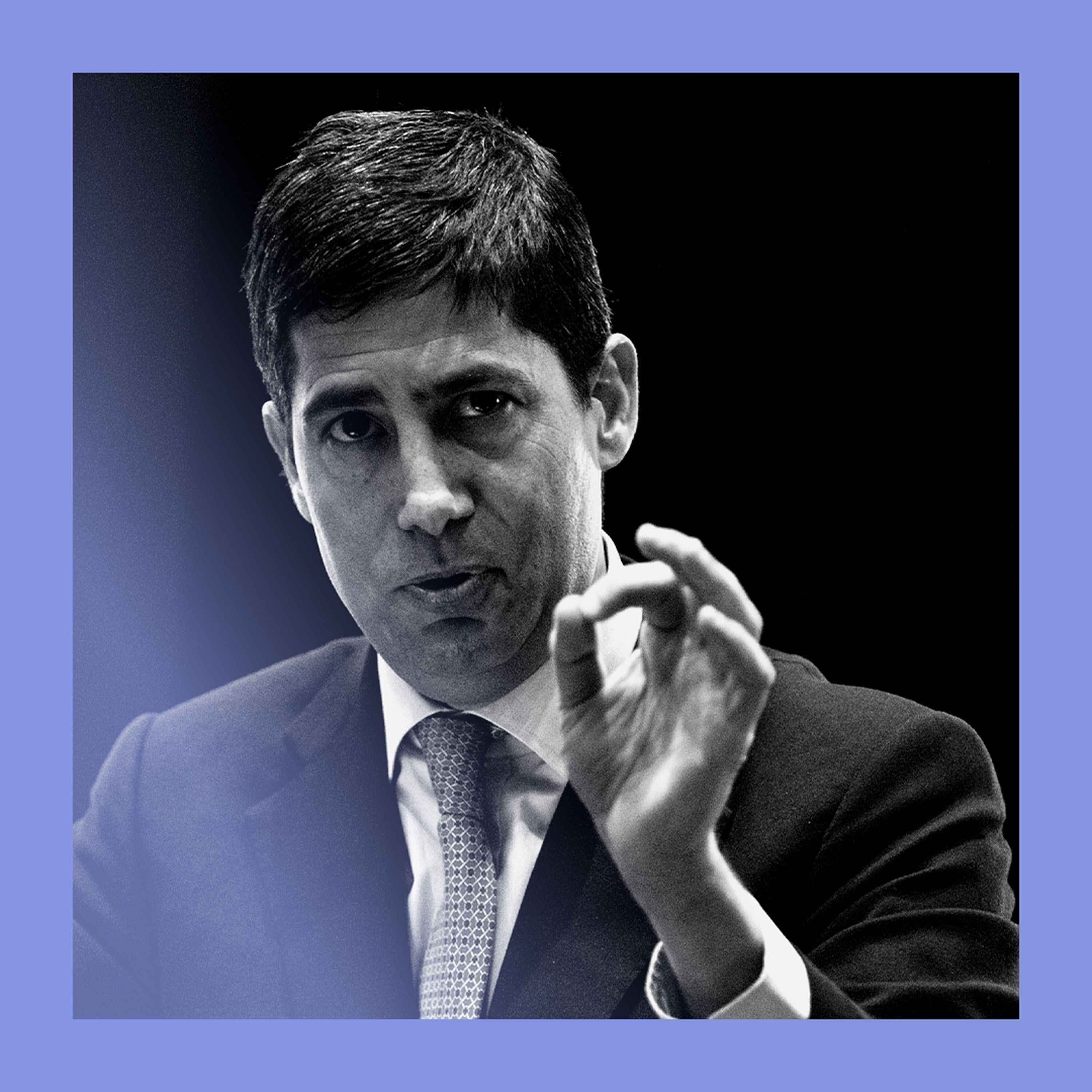
Kevin Warsh's confirmation hearings suggest a potential regime change at the Fed. He has indicated possible shifts in how inflation is measured (using trimmed mean), the size of the balance sheet, and a reduction in market communication like forward guidance.
