Get your free personalized podcast brief
We scan new podcasts and send you the top 5 insights daily.
The team secured a Super Bowl ad slot in May, long before the product was ready. They only committed to running the ad and creating the content two weeks prior, ensuring the marketing launch aligned with product quality, not a fixed deadline.
Related Insights
Companies increasingly debut their Super Bowl commercials online a week early not just for hype, but as a crucial risk management tactic. By monitoring social media comments and public sentiment, brands can gauge reactions and pull an ad if it's unexpectedly controversial, preventing a potential PR disaster and protecting their massive investment.

Before committing engineering resources, Ather's product team creates a high-quality ad film for a new concept. They then host a full internal launch event, complete with mock media Q&A, to sell the vision to the whole company and create internal accountability before building begins.
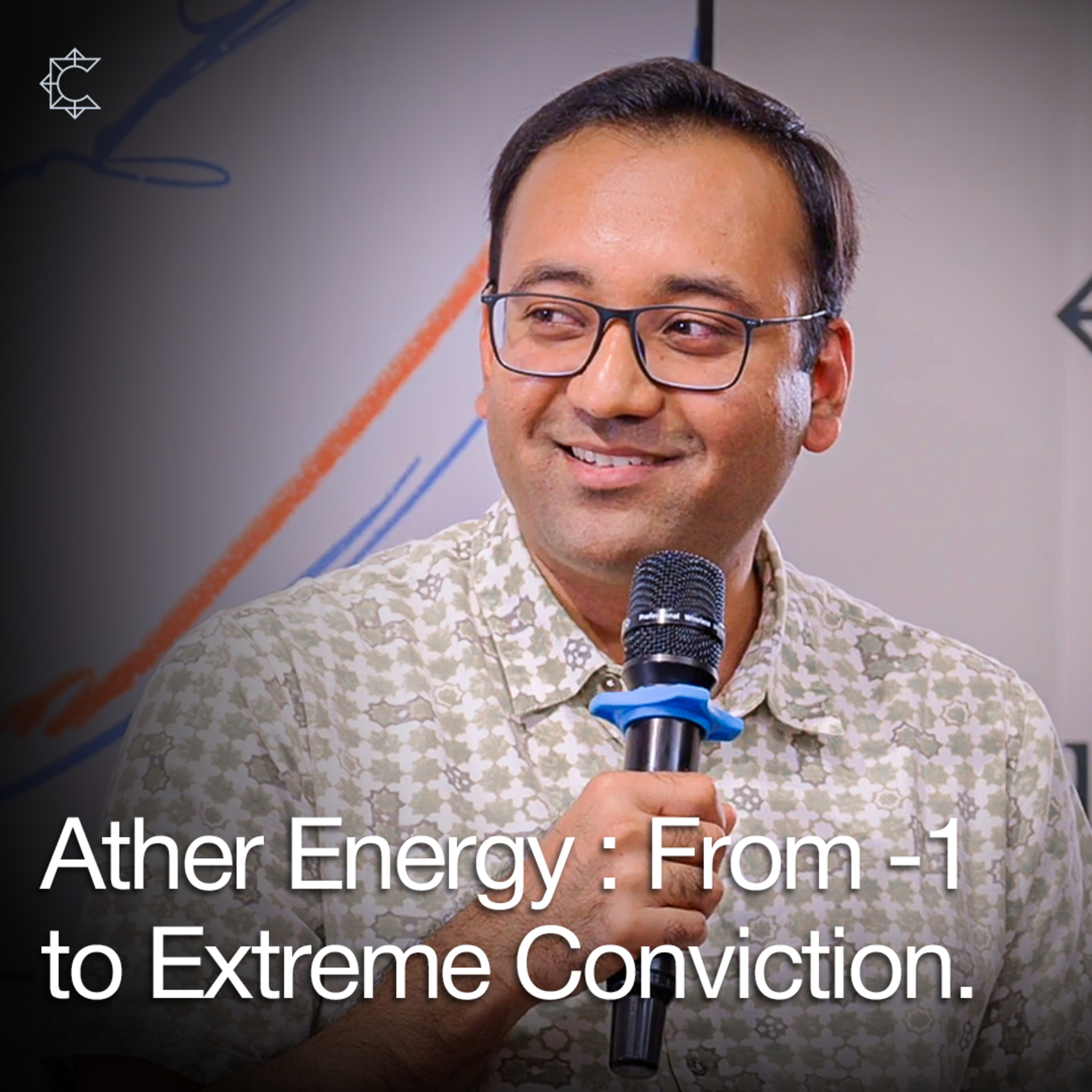
The AI.com Super Bowl ad was a wrapper for OpenClaw, an open-source agent framework that had only gone viral two weeks prior. This demonstrates the unprecedented speed of the current AI hype cycle, where a new technology can become the basis for a multi-million dollar ad campaign almost instantly.

By dropping critical ads just before the Super Bowl and OpenAI's planned ad launch, Anthropic made it impossible for OpenAI to craft and run a response ad in time. This maximized the unchallenged impact of their campaign by muddying the waters at a critical moment.

The widely reported $10M price for a Super Bowl ad slot is only one-third of the true cost. The other two-thirds are spent on production/talent and, crucially, the post-game 'drag factor'—a follow-up marketing campaign to convert initial awareness into actual sales.
AI tools allow for incredibly fast turnarounds, enabling brands to create ads that are timely and specific to current events, like the NBA Finals. This is impossible with traditional, long-lead-time production cycles.

Flexport CEO Ryan Peterson created a compelling, fully AI-generated Super Bowl-style ad without buying airtime. This demonstrates that agencies will soon need to produce complete AI-generated V1 ads for client pitches, moving beyond simple scripts or storyboards to showcase concepts more vividly and efficiently.
The Super Bowl campaign is not just about user acquisition. It's a strategic move to build brand awareness with investors, boost morale to retain elite researchers, increase public scrutiny on OpenAI's ad rollout, and put themselves on the map ahead of a potential IPO.
Launching a product demo at a major event months before it's ready is a huge risk. Mitigate this by creating a follow-up campaign, like a crowdfunding pre-order system, that builds excitement and captures early adopters while you finalize the product.

Many companies market AI products based on compelling demos that are not yet viable at scale. This 'marketing overhang' creates a dangerous gap between customer expectations and the product's actual capabilities, risking trust and reputation. True AI products must be proven in production first.