Get your free personalized podcast brief
We scan new podcasts and send you the top 5 insights daily.
A marketer recounts how online criticism from only six people felt like a massive public backlash, nearly causing them to abandon an 11-year-old community project. This illustrates the disproportionate emotional weight of negative feedback and its potential to derail even successful initiatives.

Related Insights
The negativity bias causes our brains to fixate on criticism, even when it's vastly outnumbered by praise. A professor describes how one negative student evaluation can emotionally devastate them, despite receiving 199 glowing reviews for the same class.
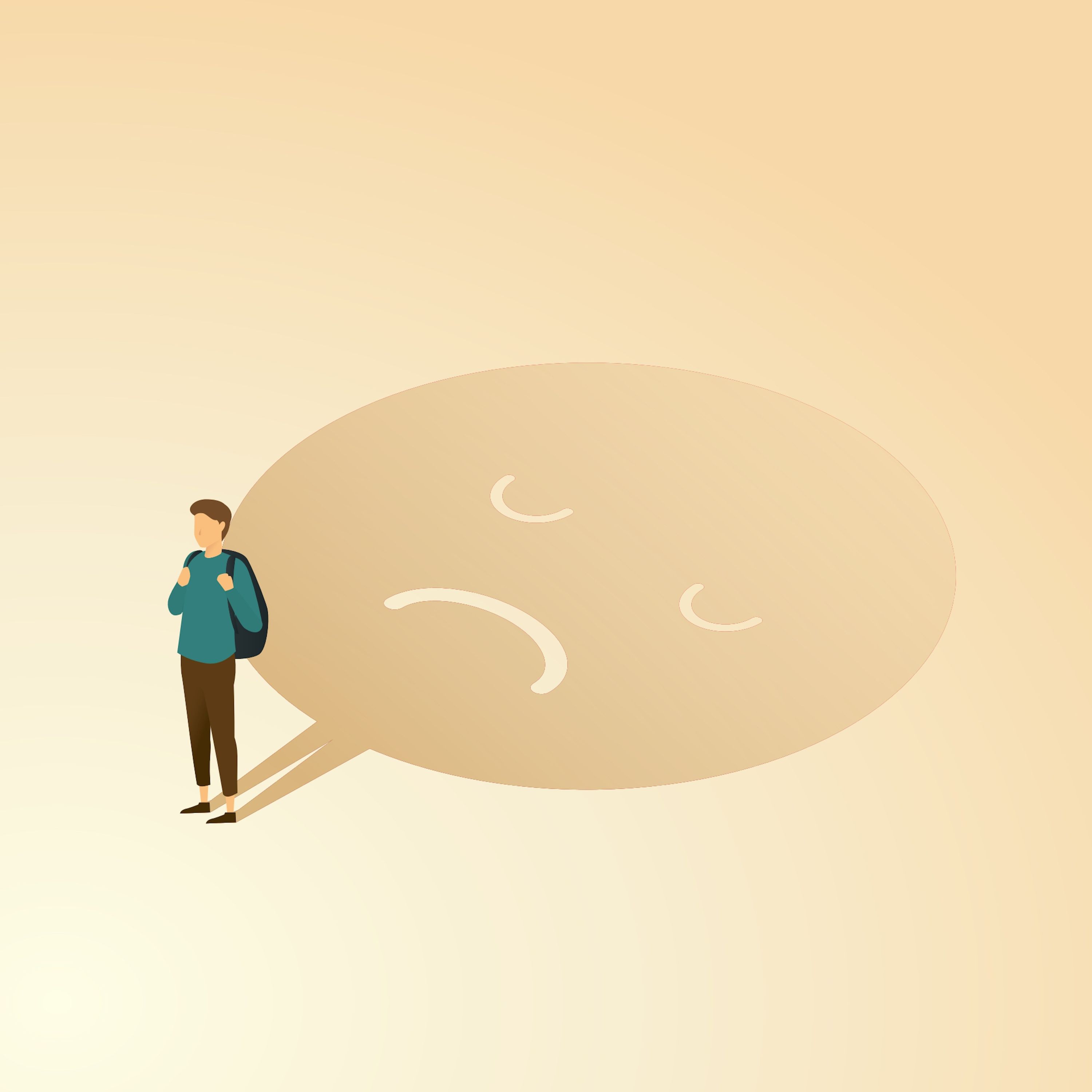
Instead of blocking or arguing with online haters, treat their negativity as a sign of their own struggles. Responding with consistent graciousness and empathy can win them over long-term, turning detractors into supporters. This reframes online hate as an opportunity for connection and brand building.

The primary reason professionals fail to leverage social media is not a lack of resources or knowledge, but the emotional inability to handle negative feedback and public judgment. This fear paralyzes action and stifles opportunity, making it the single biggest inhibitor to growth.
When critics use a single, emotional story to attack a company, responding with aggregate data is a losing strategy. The human brain prioritizes narrative over statistics. The only effective defense is to proactively deploy your own powerful, positive stories about real people your product helps.

Fear of negative feedback prevents many professionals from posting content. Reframe this fear by understanding the psychology of trolls. People who leave hateful comments are often in pain themselves, and lashing out is their way of seeking temporary relief. Their comments are a reflection of them, not you.
According to the Roblox CEO, the emotional delivery of feedback is paramount. A neutral, supportive tone allows even harsh feedback to be received constructively. In contrast, an aggressive or emotionally charged delivery creates trauma that completely overshadows the message itself.

After his first event, negative social media feedback nearly caused the founder to quit Twitter. Advice from experienced CEOs reframed the trolling as a sign of visibility, teaching him that if you're reaching people, you can't only be visible to positive voices.

Experienced CEOs advised a marketer that receiving negative online attention is a direct consequence of being visible. You cannot choose to be seen only by supporters; reach extends to detractors as well. This reframes trolling from a personal failure into a necessary byproduct of successful outreach.
Reframe negative comments as a reflection of the commenter's own unhappiness, not a valid critique of your work. People who take time to spread negativity are in a sad place. Letting their misery stop you from building your business is a choice rooted in your own insecurity, not a rational response to feedback.
Overcome the fear of negative feedback by reframing it. A person leaving a hateful comment is likely deeply unhappy. Instead of feeling attacked, feel pity for their state of mind. This psychological shift neutralizes the comment's emotional power over you.