Get your free personalized podcast brief
We scan new podcasts and send you the top 5 insights daily.
Successful crowdfunding isn't "if you build it, they will come." Mode Mobile raised $75M by treating it as a user acquisition problem. They targeted retail investors via newsletters, calculated a cost per investor, and optimized for investor LTV, mirroring a SaaS growth model.

Related Insights
The old model of raising a large sum of money to build infrastructure is obsolete. Today, founders can and should validate their product and find customers with minimal capital *before* seeking significant investment, reversing the traditional order of operations.

Announce a smaller fundraising target than you ultimately need. It is far easier to get 80% committed to a $250k round than a $2M round. Once you're heavily subscribed, the FOMO makes it easier to expand the round size, as being "oversubscribed" is like catnip to VCs.
For a small funding gap, avoid the traditional venture path by leveraging your loyal customer base. Offering small investment opportunities turns passionate users into brand evangelists and provides capital without the burdens of institutional investors.

When raising money pre-traction, the primary goal is to find product-market fit. Capital should be allocated to sales and marketing activities that generate customers—which can include buying out your own time from a day job to focus on go-to-market—rather than being spent solely on further product development.

Wild Rye successfully raised nearly $1 million via WeFunder. The key was waiting until the brand had already built strong recognition and a loyal community. They could then invite this existing audience to invest, making it a capitalization strategy rather than a customer acquisition tool, which the founder views as critical to its success.

A powerful fundraising tactic is to continually increase your total round size as you hit initial targets. This allows you to always be '50% closed' or more, constantly signaling momentum and de-risking the opportunity for new investors you speak with.

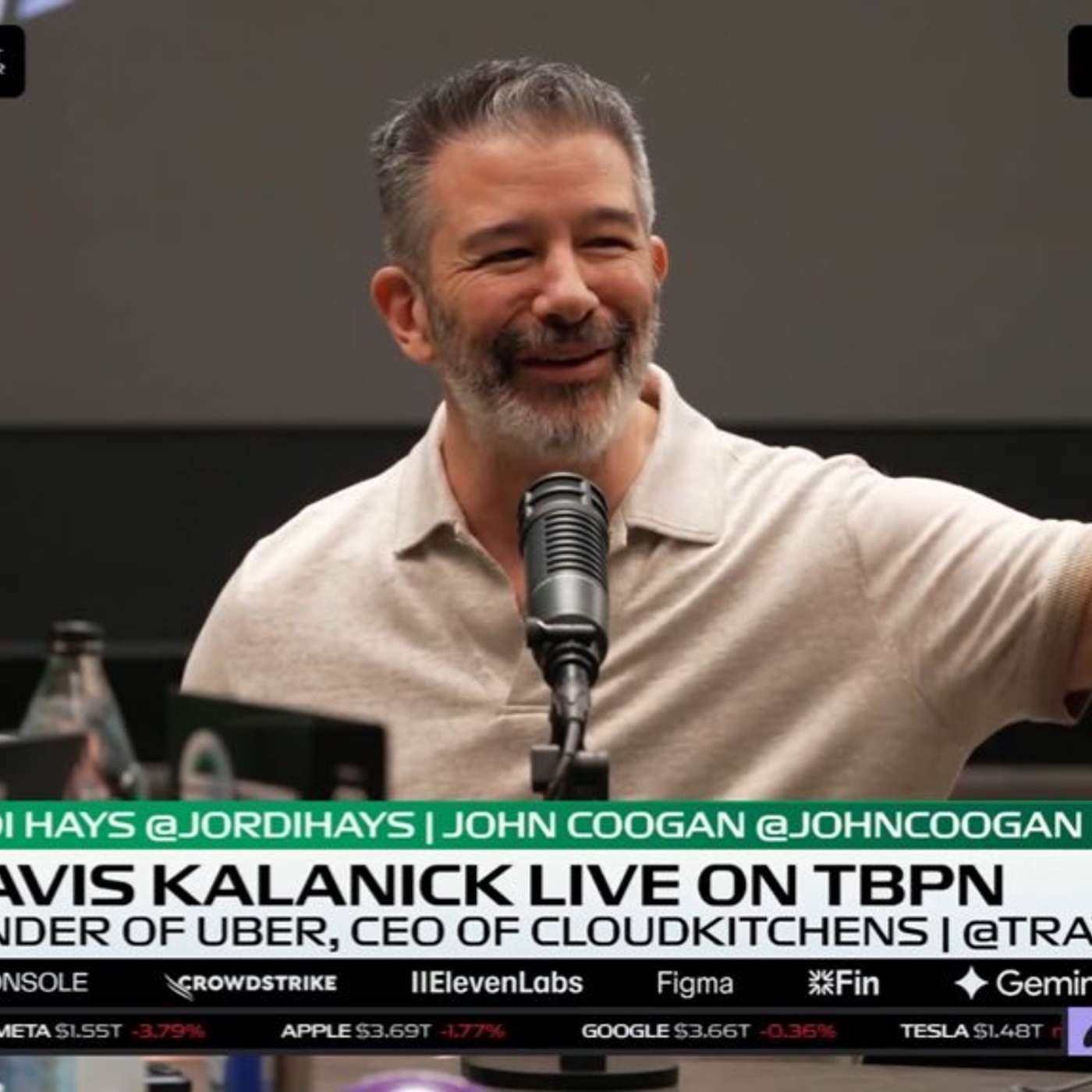
For mega-rounds, Uber ran a highly systematized process with four parallel rooms for different check sizes, from $25M to over $250M. It used an auction-like model, asking investors for bids at various valuations to build a demand curve and optimize pricing, treating fundraising like a scalable product.
Fundrise offers portfolio companies like Ramp direct marketing access to its massive investor base. This "network investing" model turns a fund's LPs into a powerful customer acquisition engine, providing a tangible value-add beyond capital that can significantly boost a startup's revenue.

Saarinen contrasts his first startup's "brute force" fundraising (emailing 100 VCs) with Linear's targeted approach. He cultivated a few relationships, waited for a moment of peak company momentum (strong growth, positive metrics), and then approached his small, pre-vetted list to maximize leverage and make the process easy.
If you struggle to raise capital, the problem isn't your marketing or sales pitch; it's the underlying business model. Businesses with a high Return on Invested Capital (ROIC) are a "magnet for money" because the economics of scaling are inherently attractive. Fix the core offer before improving the pitch.
