Get your free personalized podcast brief
We scan new podcasts and send you the top 5 insights daily.
Meta's acquisition of Dreamer, a platform for building personal AI agents using English, suggests a product strategy focused on empowering non-technical users to create their own custom software. This moves beyond pre-built AI features and into a world where users can build tools for their unique needs directly within Meta's ecosystem.

Related Insights
By testing premium subscriptions with expanded AI capabilities and integrating its Manus acquisition, Meta is revealing its strategy. It aims to create a 'personalized super intelligence' that operates across its massive ecosystem (WhatsApp, Instagram, Facebook), effectively leveraging its distribution power to dominate the consumer agent market.
Unlike past talent-focused acquisitions, Meta's purchase of Manus AI is about acquiring a product with a passionate user base. This signals a strategic shift for Zuckerberg, aiming to integrate Manus's successful agent-based workflows directly into Meta's ecosystem to realize his vision of "personal superintelligence."
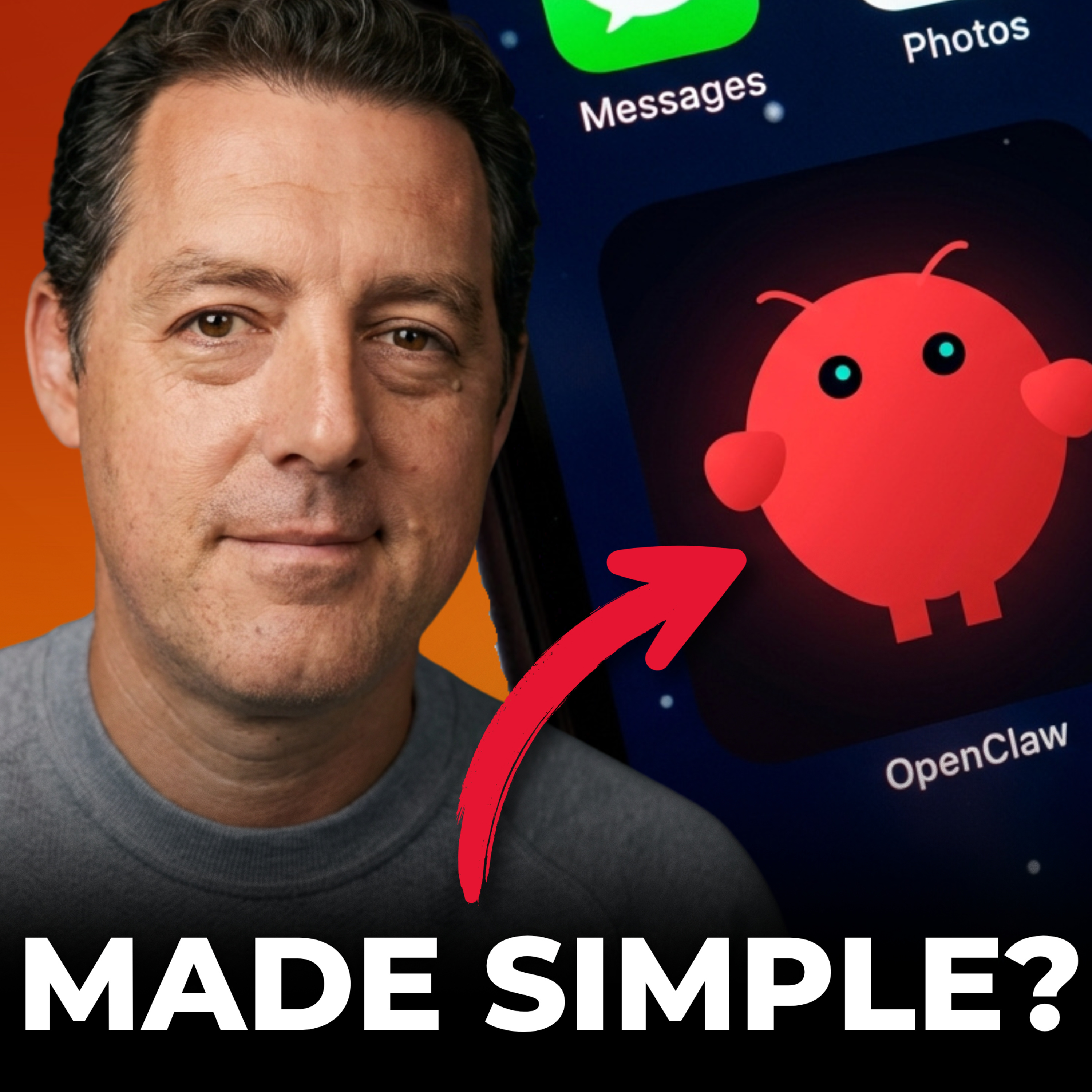
While tech enthusiasts focus on powerful but complex agents like OpenClaw, Meta's Manus is gaining traction by offering a simplified, code-free version. This suggests mass-market adoption for AI agents hinges on ease of use and accessibility, not just technical capability.

Meta's purchase of AI agent startup Manus is a strategic move to own the next consumer interface. The goal is to position Meta's platforms, like WhatsApp, as the starting point for a new interaction model where users deploy agents for e-commerce and other tasks, bypassing traditional apps.

Traditional software development is too costly for short-lived events like conferences or ski trips. AI agent platforms like Dreamer enable non-technical users to quickly build powerful, "episodic" applications that are highly useful for a limited time, solving a major cost-value mismatch for temporary needs.
Meta is publicly framing its acquisition of the AI agent startup Manus as an enterprise play. However, the underlying strategy is likely to leverage Manus's talent to build a dominant consumer AI agent for tasks like travel and shopping, creating a new, defensible platform.

Meta's acquisitions, including agent-based social network Moldbook, reveal an aggressive strategy to dominate the AI agent space. An expert predicts this signals that 2026 will be the "year of agents," and Meta is building its arsenal with both capital and compute to win this next platform shift.

The excitement around tools like OpenClaw stems from their ability to empower non-programmers to create custom software and workflows. This replicates the feeling of creative power previously exclusive to developers, unlocking a long tail of niche, personalized applications for small businesses and individuals who could never build them before.
Non-technical users are leveraging agents like Moltbot to build their own hyper-personalized software. By simply describing a problem in natural language, they can create internal tools that perfectly solve their needs, eliminating the need to subscribe to many single-purpose SaaS applications.

The shift from command-line interfaces to visual canvases like OpenAI's Agent Builder mirrors the historical move from MS-DOS to Windows. This abstraction layer makes sophisticated AI agent creation accessible to non-technical users, signaling a pivotal moment for mainstream adoption beyond the engineering community.
