Get your free personalized podcast brief
We scan new podcasts and send you the top 5 insights daily.
Investor Rob Vinall focuses on a small niche where the odds are "massively stacked" in his favor: leaders who treat their business as their life's work. This pool includes founders and long-tenured executives who are completely dedicated, creating a powerful alignment with long-term shareholders.

Related Insights
Ken Langone attributes his multi-decade investment holds to being "loyal to my investment positions." He bets on management teams he trusts and sticks with them, treating his investments like lifelong relationships rather than transactional assets. This mindset explains his ability to hold through decades of volatility.
![Ken Langone - The American Dream - [Invest Like the Best, REPLAY] thumbnail](https://megaphone.imgix.net/podcasts/1fe2ef5a-b37c-11f0-8838-43577722245c/image/f7af01e84d1fadd97b79e0e584ccbca3.jpg?ixlib=rails-4.3.1&max-w=3000&max-h=3000&fit=crop&auto=format,compress)
A16z's foundational belief is that founders, not hired "professional CEOs," should lead their companies long-term. The firm is structured as a network of specialists to provide founders with the knowledge and connections they lack, enabling them to grow into the CEO role and succeed.

True entrepreneurial success isn't about chasing hot topics like AI. It's about finding a niche, boring problem and developing a deep, multi-decade obsession with it. This requires a unique ability to find interest where others see none, which is a powerful competitive moat.
![William Hockey - Building the Operating System for the Dollar and Silicon Valley Heresy - [Invest Like the Best, EP.463] thumbnail](https://megaphone.imgix.net/podcasts/fafd11c6-2198-11f1-9f4c-331b7fdffb5f/image/c8ee4ccf34b48dd3ef4ded6a34c1f70c.jpg?ixlib=rails-4.3.1&max-w=3000&max-h=3000&fit=crop&auto=format,compress)
The best founders treat their startup not as a job, but as an "affliction"—an unshakable obsession. This deep-seated drive signals to investors the resilience required to overcome the immense challenges of building a company from scratch.

The pattern for top-performing portfolio companies is a strong founder who creates a distinct competitive advantage. This "edge" is a specific breakthrough in brand traction, distribution channels, or a superior margin structure that competitors cannot easily replicate.

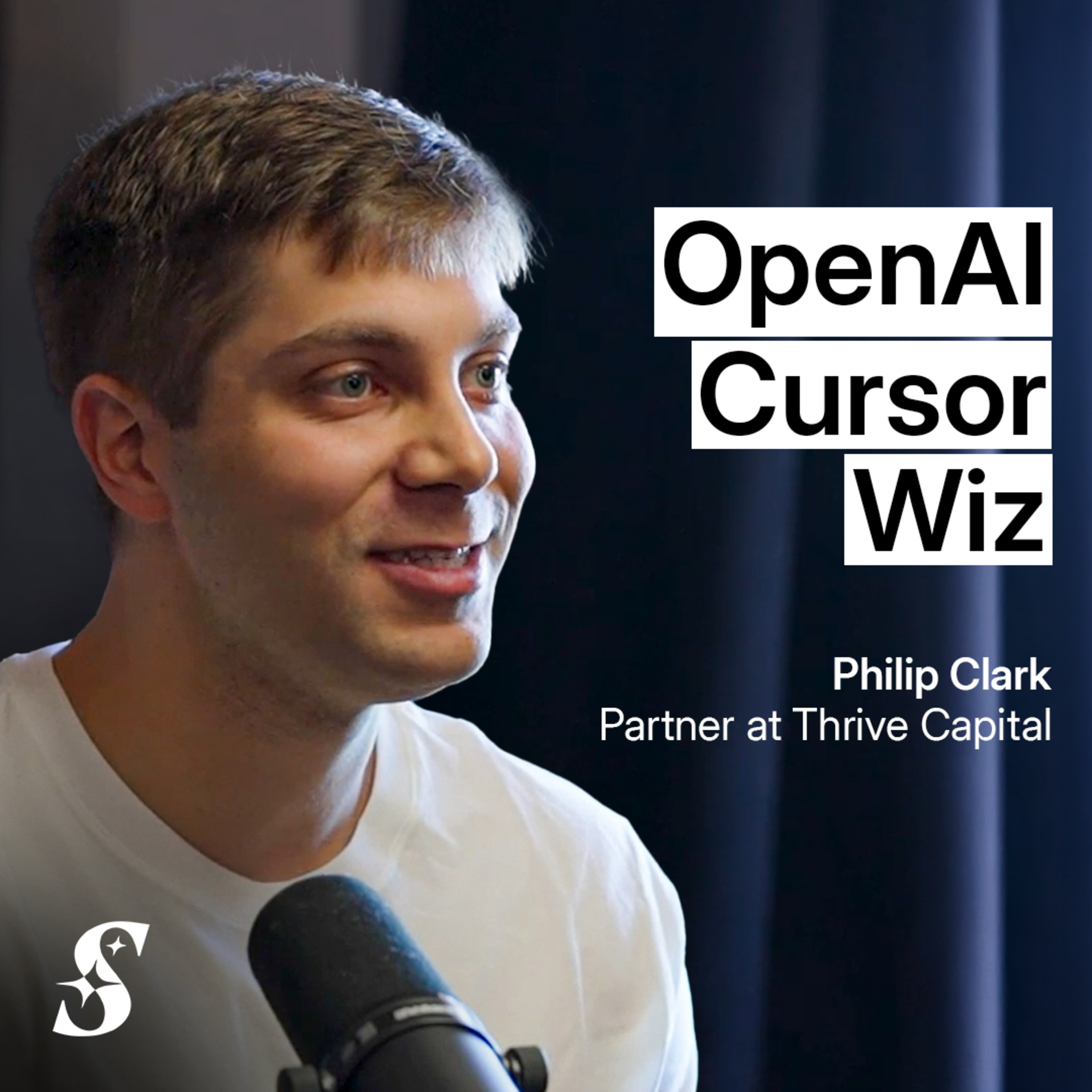
Thrive Capital's strategy of making a few large bets is not just for financial returns. It's an ideological choice to align with "life's work founders" for whom their startup is a portfolio of one. This ensures every win feels great and every loss hurts, creating true skin in the game.
Top-performing, founder-led businesses often don't want to sell control. A non-control investment strategy allows access to this exclusive deal flow, tapping into the "founder alpha" from high skin-in-the-game leaders who consistently outperform hired CEOs.

Exceptional CEOs sometimes exhibit true altruism, prioritizing shareholders above personal enrichment. Mark Leonard of Constellation Software cutting his salary to zero and refusing options is a prime example. This rare trait signals a deep alignment with long-term shareholder value creation.

The quality of the founder is the single most important variable. A great founder with a mediocre plan will outperform a mediocre founder with a great plan. The best investment strategy is to back exceptional people and give them leeway, as they will create upside that breaks all precedents.

In a market dominated by short-term traders and passive indexers, companies crave long-duration shareholders. Firms that hold positions for 5-10 years and focus on long-term strategy gain a competitive edge through better access to management, as companies are incentivized to engage with stable partners over transient capital.
