Get your free personalized podcast brief
We scan new podcasts and send you the top 5 insights daily.
Ken Langone attributes his multi-decade investment holds to being "loyal to my investment positions." He bets on management teams he trusts and sticks with them, treating his investments like lifelong relationships rather than transactional assets. This mindset explains his ability to hold through decades of volatility.
![Ken Langone - The American Dream - [Invest Like the Best, REPLAY] thumbnail](https://megaphone.imgix.net/podcasts/1fe2ef5a-b37c-11f0-8838-43577722245c/image/f7af01e84d1fadd97b79e0e584ccbca3.jpg?ixlib=rails-4.3.1&max-w=3000&max-h=3000&fit=crop&auto=format,compress)
Related Insights
Martin Buber's "I-Thou" (partner) vs. "I-It" (object) framework clarifies shareholder dynamics. Companies with an "I-It" view treat investors as mere cash sources, attracting transactional capital. An "I-Thou" approach, focused on partnership and transparency, builds a loyal, resilient shareholder base.

The firm's indefinite hold period changes behavior, just as one treats their own car versus a rental. This long-term ownership mindset incentivizes deep, fundamental investments in the business's people, systems, and culture, rather than just cosmetic improvements designed to maximize value for a quick sale.

Company investor relations teams want stable, long-term shareholders. Funds known for 5-10 year holding periods become preferred partners for management, providing deeper insights and a research edge unavailable to short-term hedge funds or index funds.

To avoid panic selling, the speaker imagines the management of his portfolio companies as close personal associates. This mental model fosters trust and patience, allowing him to hold onto strong compounders through inevitable headwinds, just as one would when backing a friend's business.

Shifting your mindset from trading a stock ticker to owning a piece of a business encourages a long-term perspective. This framework, highlighted by investor Chris Davis, forces you to consider the business's community, values, and operational health, leading to better alignment.

Simply "thinking long-term" is not enough. A genuine long-term approach requires three aligned components: 1) a long-term perspective, 2) an investment structure (like an open-ended fund) that doesn't force short-term decisions, and 3) a clear understanding of what "long-term" means (10 years vs. 50 years).
Investors Nick Sleep and Kay Zakaria built their careers on holding just three core stocks for decades. Their lesson is to fight the impulse to trade winners after a quick gain. The greatest returns come from identifying exceptional businesses and practicing the 'active patience' required to hold them for multi-year periods.

Ken Langone's primary investment criterion is people, specifically their resilience. He likens it to a golf coach who recruits the player who makes a birdie right after a bogey, not the one with the perfect swing. He seeks out leaders who have faced failure, like being fired, and have the grit to bounce back.
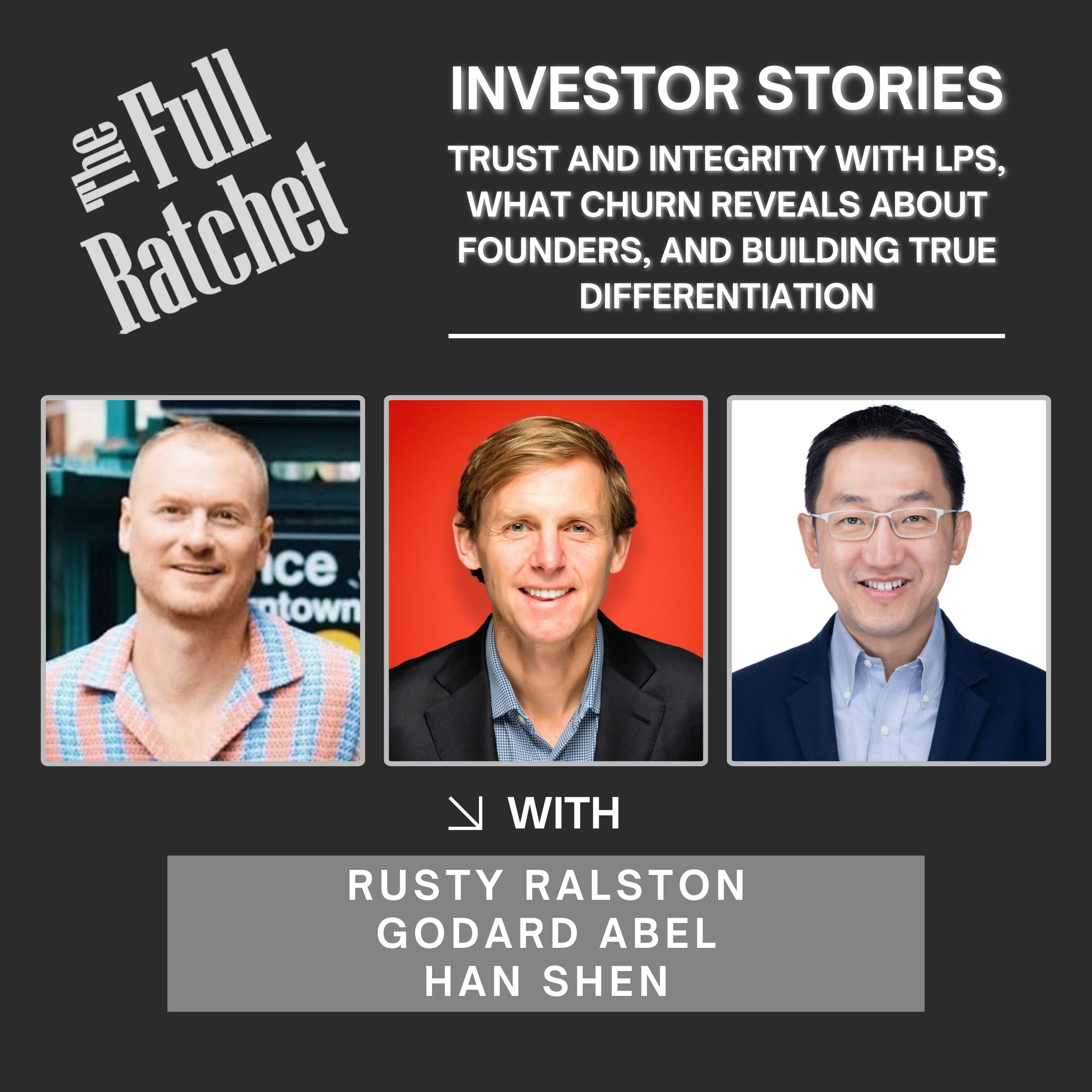
Swell VC's Rusty Ralston shares that the most insightful LPs probe a GP's character, values, and personal history. For multi-decade investment relationships, understanding the person is foundational to establishing the trust, character, and integrity required for long-term success, surpassing the importance of typical fund metrics.
In a market dominated by short-term traders and passive indexers, companies crave long-duration shareholders. Firms that hold positions for 5-10 years and focus on long-term strategy gain a competitive edge through better access to management, as companies are incentivized to engage with stable partners over transient capital.