Get your free personalized podcast brief
We scan new podcasts and send you the top 5 insights daily.
Dr. Seelig shares how her supportive behavior during a disastrous trip was remembered 15 years later by the trip leader, who was on the hiring committee for her dream job. This shows that every professional interaction, no matter how small, contributes to a long-term reputation that can create future luck.

Related Insights
The most profound and lasting professional relationships are not built at networking events. They are forged either during high-stakes professional crises, like a difficult negotiation, or through collaborative efforts to give back and nurture others in the ecosystem.

Your true reputation is not what you project, but the sum of stories people tell about you when you're not in the room or after you've left an organization. This "legacy" narrative is the ultimate litmus test of your integrity and impact.
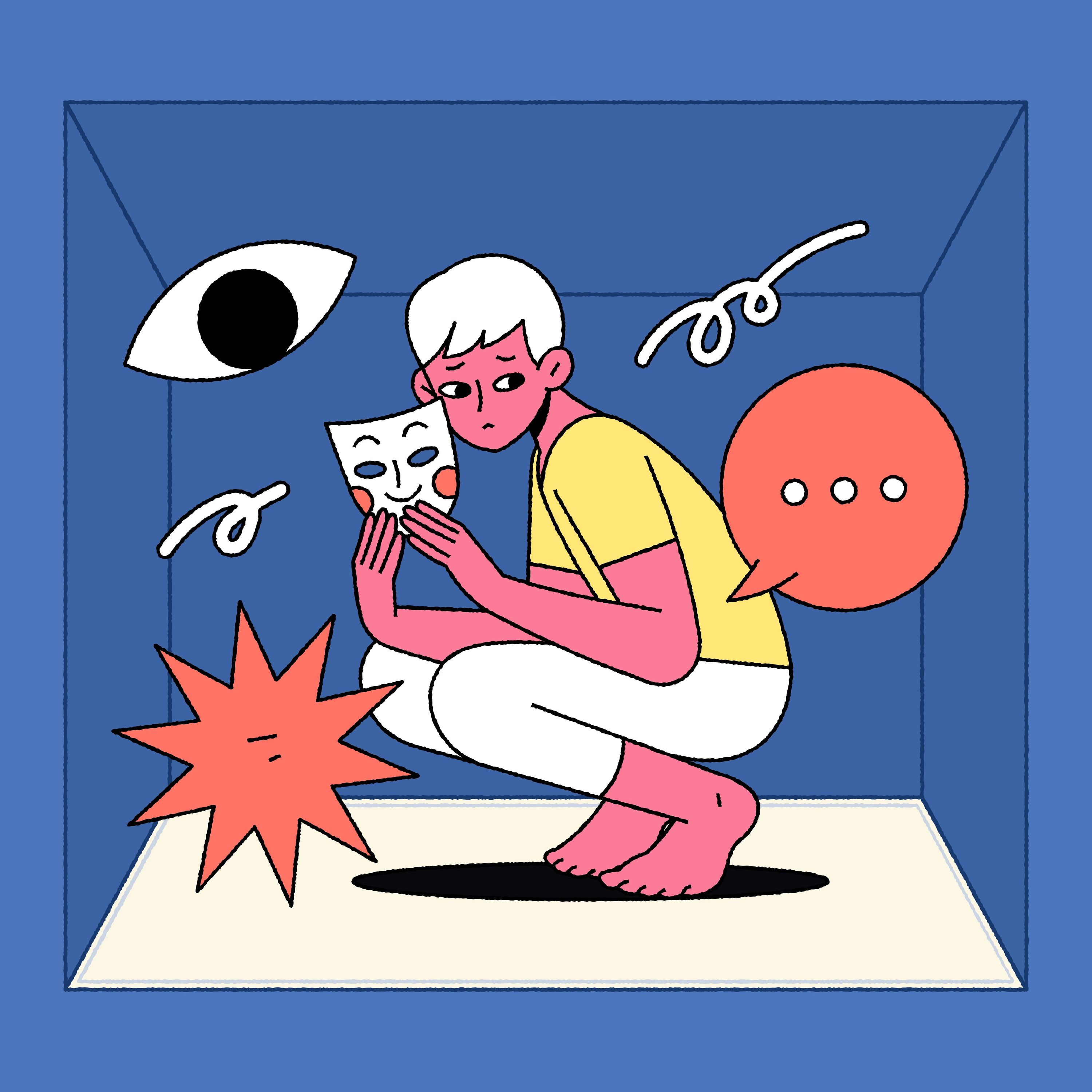
Tying your identity to professional success creates a fragile self-worth that shatters when that career ends. Instead, anchor your value in your character—how you treat people and how they speak of you. This creates an unshakeable foundation that persists beyond any professional win or loss.

Luck and opportunities are ever-present but invisible, like the wind. To harness them, you must first build your "ship" (internal work and skills), recruit your "crew" (your network and relationships), and then hoist your "sail" (the daily actions you take to catch opportunities).
A simple favor—explaining how to make lemonade to a stranger—led to a relationship that resulted in a private helicopter tour years later. Dr. Seelig uses this story to show that minor, low-cost acts of kindness can create compounding goodwill and unlock disproportionately large future opportunities.
When a scholar on the job market admitted exhaustion to a peer in an elevator, he responded with professional posturing instead of reciprocating. This "reciprocity fail" shut down the potential for connection and left a lasting negative impression years later, highlighting how crucial mutual self-disclosure is, even in minor interactions.
Jane Goodall taking a moment to read a manuscript handed to her by a young Paul Rosolie in a 500-person line was the singular event that launched his career. Her endorsement opened doors to publishers, validating the idea that a small, thoughtful gesture from an established figure can be life-changing for emerging talent.

Individuals, especially in roles like teaching or management, often underestimate their long-term influence. What feels like a minor interaction or even a failure can be a pivotal, memorable moment for someone else. We are often poor judges of our own positive ripple effects.

Gavin Baker's admission to Dartmouth, a pivotal career step, was a direct result of him defending a bullied student. The student's father, a powerful alumnus, repaid this kindness by championing his application, demonstrating how personal character can unexpectedly open professional doors.

How you treat junior colleagues, especially interns, can have a profound impact on your own career. A former intern, who remembered being treated well, can become a key advocate who helps you land a pivotal job years later. Your professional reputation is built on every interaction, regardless of hierarchy.
