Get your free personalized podcast brief
We scan new podcasts and send you the top 5 insights daily.
Prominent investors like David Sacks and Marc Andreessen claim that Anthropic employs a sophisticated strategy of fear-mongering about AI risks to encourage regulations. They argue this approach aims to create barriers for smaller startups, effectively solidifying the market position of incumbents under the guise of safety.

Related Insights
The emphasis on long-term, unprovable risks like AI superintelligence is a strategic diversion. It shifts regulatory and safety efforts away from addressing tangible, immediate problems like model inaccuracy and security vulnerabilities, effectively resulting in a lack of meaningful oversight today.
Rabois dismisses the AI safety movement by arguing it's driven by a cohort of thinkers who have a long track record of being incorrect on major societal issues like the environment. He sees it as a predictable pattern of using fear to enable bureaucratic interference with progress.

Anthropic is publicly warning that frontier AI models are becoming "real and mysterious creatures" with signs of "situational awareness." This high-stakes position, which calls for caution and regulation, has drawn accusations of "regulatory capture" from the White House AI czar, putting Anthropic in a precarious political position.
The rhetoric around AI's existential risks is framed as a competitive tactic. Some labs used these narratives to scare investors, regulators, and potential competitors away, effectively 'pulling up the ladder' to cement their market lead under the guise of safety.
AI companies engage in "safety revisionism," shifting the definition from preventing tangible harm to abstract concepts like "alignment" or future "existential risks." This tactic allows their inherently inaccurate models to bypass the traditional, rigorous safety standards required for defense and other critical systems.
Anthropic faces a critical dilemma. Its reputation for safety attracts lucrative enterprise clients, but this very stance risks being labeled "woke" by the Trump administration, which has banned such AI in government contracts. This forces the company to walk a fine line between its brand identity and political reality.
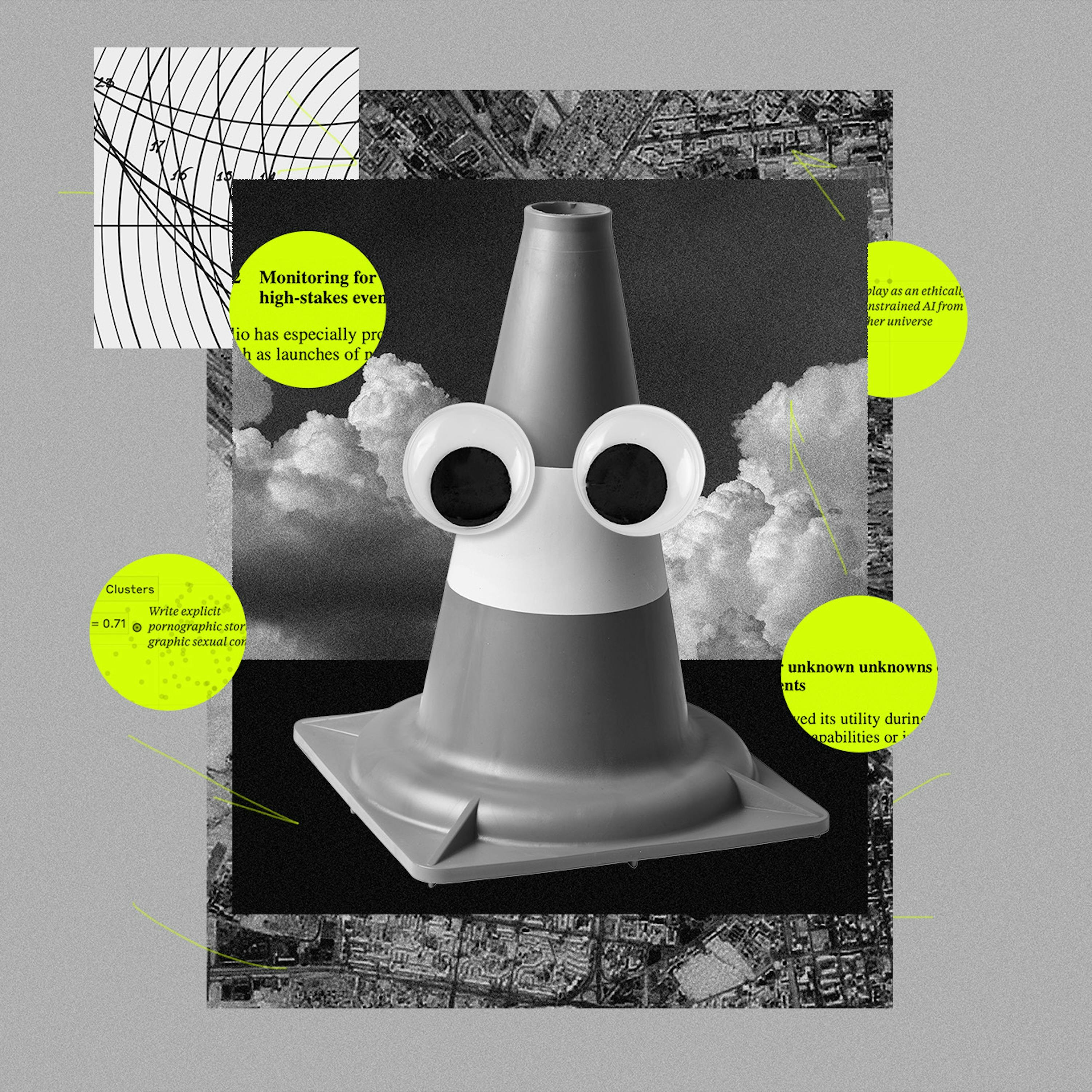
The existence of internal teams like Anthropic's "Societal Impacts Team" serves a dual purpose. Beyond their stated mission, they function as a strategic tool for AI companies to demonstrate self-regulation, thereby creating a political argument that stringent government oversight is unnecessary.
Anthropic's commitment to AI safety, exemplified by its Societal Impacts team, isn't just about ethics. It's a calculated business move to attract high-value enterprise, government, and academic clients who prioritize responsibility and predictability over potentially reckless technology.
Both Sam Altman and Satya Nadella warn that a patchwork of state-level AI regulations, like Colorado's AI Act, is unmanageable. While behemoths like Microsoft and OpenAI can afford compliance, they argue this approach will crush smaller startups, creating an insurmountable barrier to entry and innovation in the US.

CEO Dario Amodei rationalized accepting Saudi investment by arguing it's necessary to remain at the forefront of AI development. He stated that running a business on the principle that "no bad person should ever benefit from our success" is difficult, highlighting how competitive pressures force even "safety-first" companies into ethical compromises.