Get your free personalized podcast brief
We scan new podcasts and send you the top 5 insights daily.
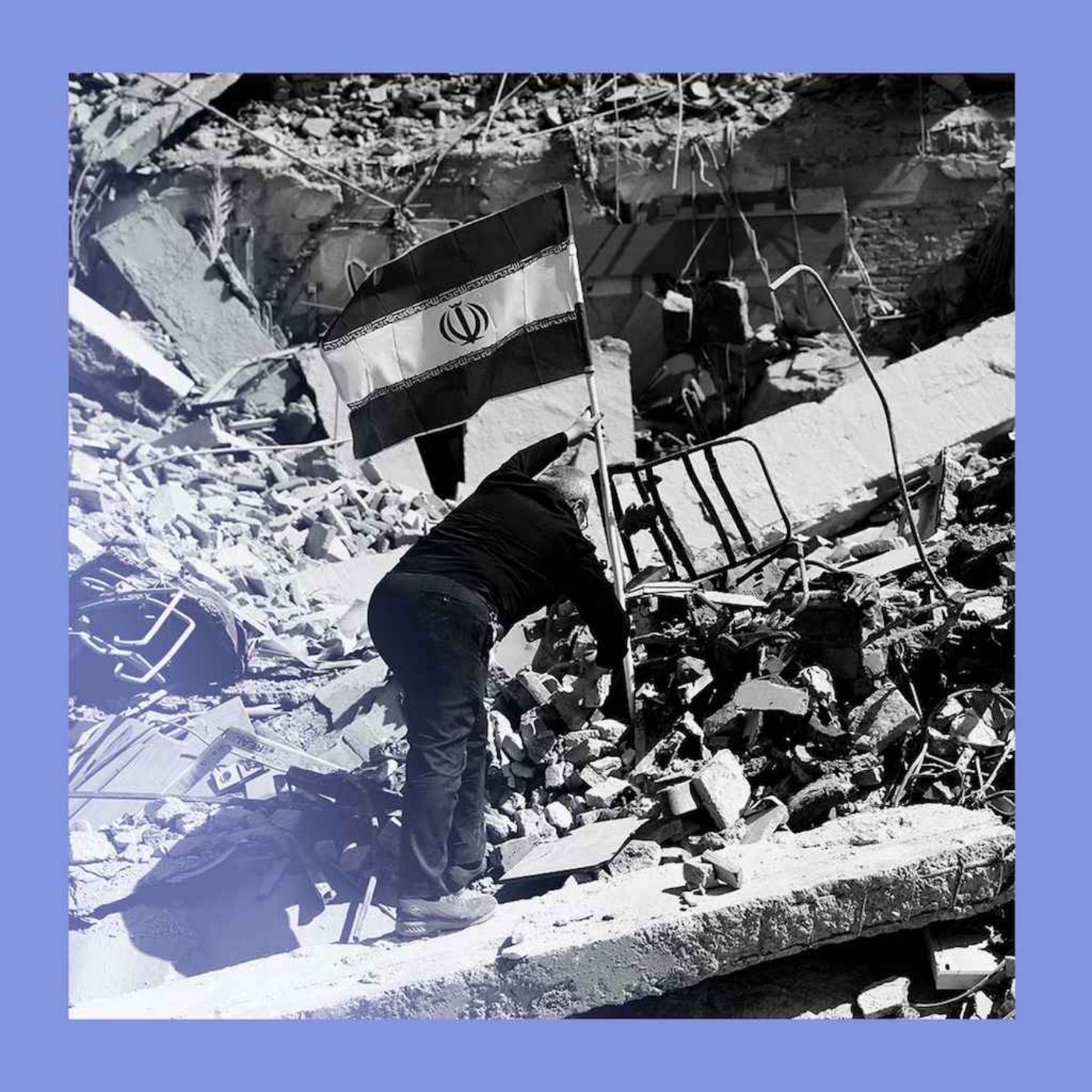
The successful downing of an advanced US fighter jet by Iran contradicts the official narrative of overwhelming American air power. This event forces a public and military reassessment of the conflict's reality and the effectiveness of US strategy.

Related Insights
The conflict highlights a critical economic vulnerability in US defense strategy. The US is forced to use multi-million dollar missiles to counter Iranian drones that cost only $20,000. This massive cost imbalance demonstrates the power of asymmetric warfare and a significant strategic inefficiency for the US military.

Iran's military is prioritizing attacks on radar infrastructure across the Middle East. This is a strategic move to neutralize the technological superiority of US and Israeli air defense systems like Iron Dome and THAAD. By blinding the enemy first, even less sophisticated attacks can successfully get through.

Despite facing conventionally superior US and Israeli forces that can degrade its missile and nuclear capabilities, Iran leverages low-cost asymmetric tactics like drone strikes. This strategy allows it to inflict continuous damage and prolong the conflict without needing to match its adversaries' military might.

Before the conflict, Iran maintained a "credible but not actual" nuclear program as a deterrent. By assassinating the supreme leader and launching an air war, the US has proven this strategy insufficient, forcing Iran to pursue an actual nuclear weapon for survival.
Despite overwhelming military force, the US lacks a clear, singular objective in its war with Iran. With at least five distinct goals—from targeting nuclear and missile programs to regime change and settling historical scores—it's unclear what constitutes victory, making the application of force dangerously unfocused.
By forcing the U.S. to operate its air defense systems at scale, the conflict in Iran is inadvertently providing China with a treasure trove of intelligence. The Chinese can observe how these systems perform, identify weaknesses, and refine their own tactics for a potential future conflict.

The U.S. military is succeeding in tactical objectives, like damaging Iranian vessels. However, the overarching strategy is failing due to a lack of allied support and unclear long-term goals. Attacking oil infrastructure, for instance, signals an implicit abandonment of regime change as a viable outcome.

The US and Israel are operationally successful in degrading Iran's military capabilities. However, leadership has failed to articulate a coherent strategic objective for the war, making it difficult to define victory or know when the conflict will end.

The conflict with Iran highlights a new reality in warfare. Inexpensive, easily produced drones create an asymmetrical threat, as defense systems are vastly more expensive to deploy per incident, making traditional defense economically unsustainable.

Before the conflict, Western consensus focused on Iran's nuclear ambitions. The war revealed that Iran had been systematically lying about its non-nuclear capabilities, such as long-range missile technology, which poses a significant and previously miscalculated threat to regional and Western interests.