Get your free personalized podcast brief
We scan new podcasts and send you the top 5 insights daily.
Modern AI models are powerful but lack context about an individual's specific work, which is fragmented across apps like Slack, Google Docs, and Salesforce. Dropbox Dash aims to solve this by acting as a universal context layer and search engine, connecting AI to all of a user's information to answer specific, personal work-related questions.

Related Insights
Instead of merely 'sprinkling' AI into existing systems for marginal gains, the transformative approach is to build an AI co-pilot that anticipates and automates a user's entire workflow. This turns the individual, not the software, into the platform, fundamentally changing their operational capacity.
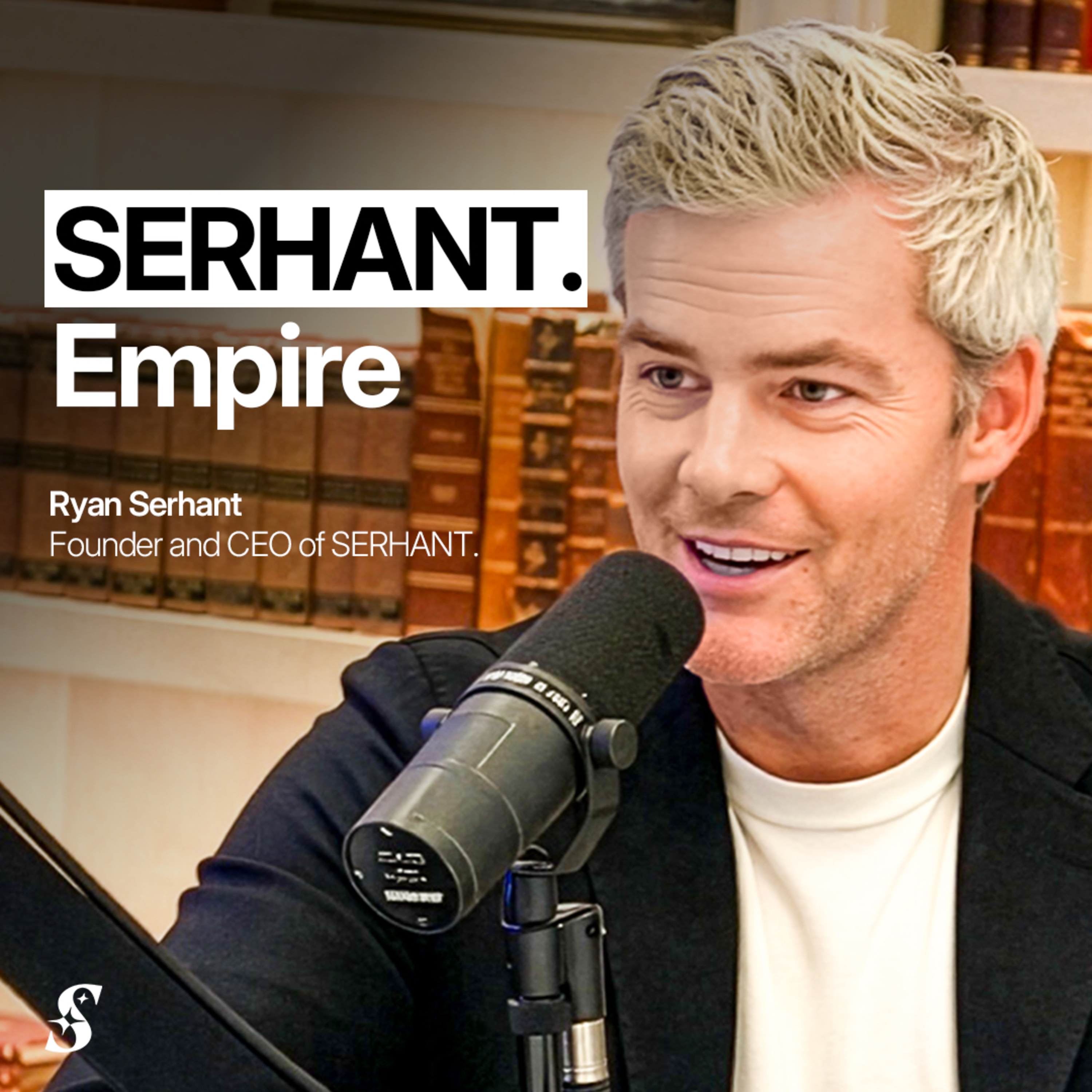
Beneath the surface, sales 'opportunities,' support 'tickets,' and dev 'issues' are all just forms of work management. The core insight is that a single, canonical knowledge graph representing 'work,' 'identity,' and 'parts' can unify these departmental silos, which first-generation SaaS never did.

Instead of relying on one-off prompts, professionals can now rapidly build a collection of interconnected internal AI applications. This "personal software stack" can manage everything from investments and content creation to data analysis, creating a bespoke productivity system.

Instead of using siloed note-taking apps, structure all your knowledge—code, writing, proposals, notes—into a single GitHub monorepo. This creates a unified, context-rich environment that any AI coding assistant can access. This approach avoids vendor lock-in and provides the AI with a comprehensive "second brain" to work from.
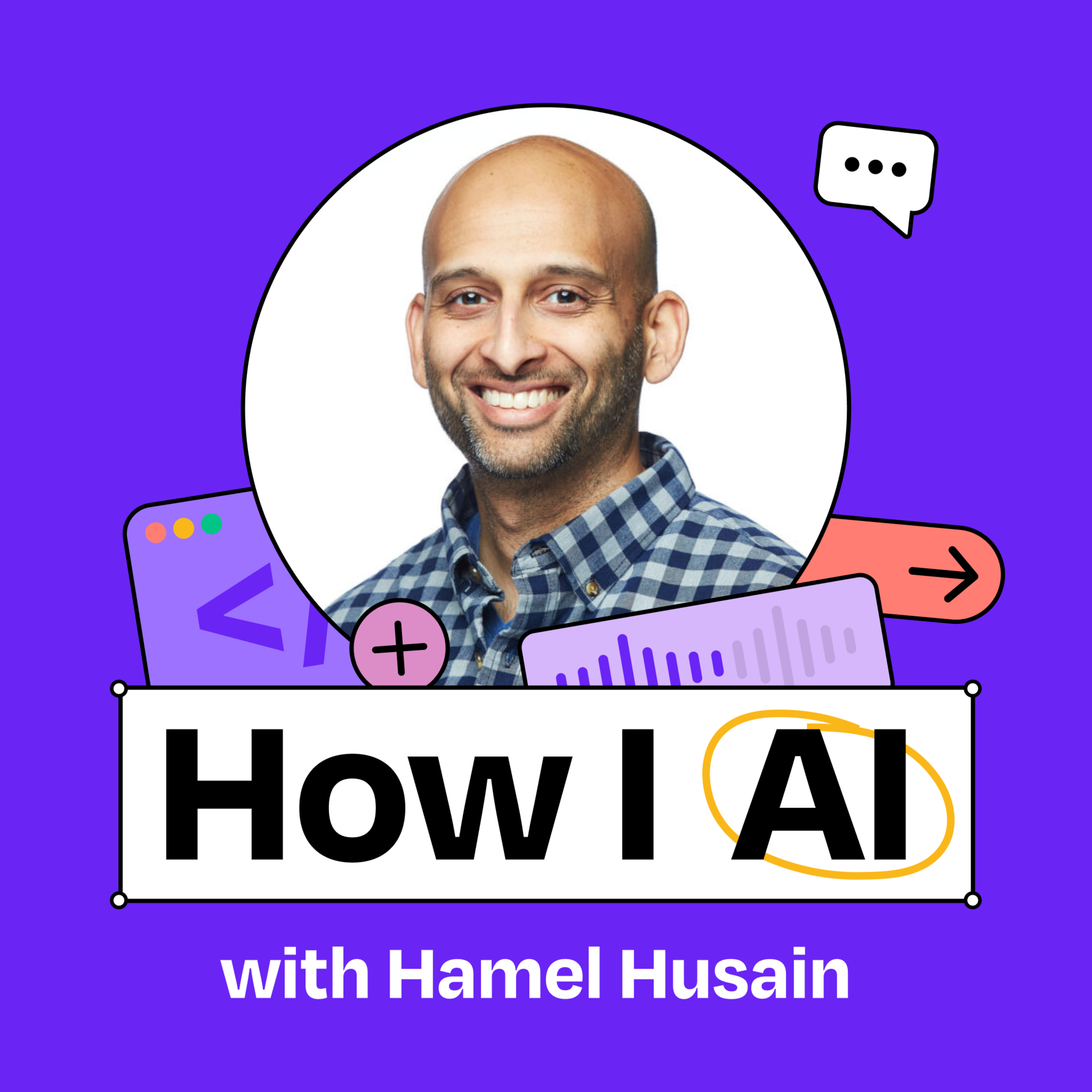
Overwhelmed by Slack messages and internal documents? Build a Zapier agent connected to your company's knowledge base. Feed it your job description and current projects, and the agent can proactively scan all communications and deliver a weekly summary of only the updates relevant to your specific role.
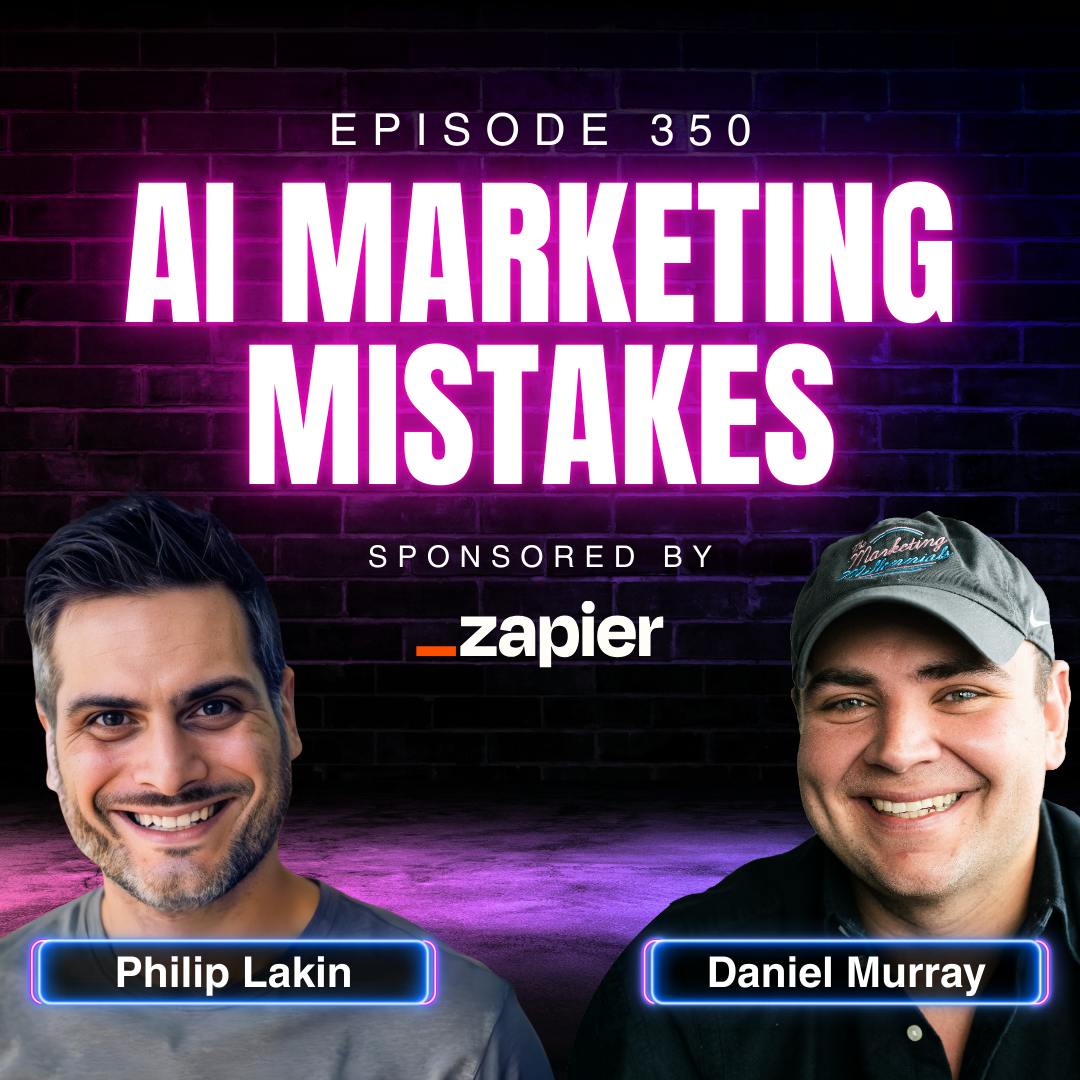
The killer feature for AI assistants isn't just answering abstract queries, but deeply integrating with user data. The ability for Gemini to analyze your unread emails to identify patterns and suggest improvements provides immediate, tangible value, showcasing the advantage of AI embedded in existing productivity ecosystems.

AI developer environments with Model Context Protocols (MCPs) create a unified workspace for data analysis. An analyst can investigate code in GitHub, write and execute SQL against Snowflake, read a BI dashboard, and draft a Notion summary—all without leaving their editor, eliminating context switching.
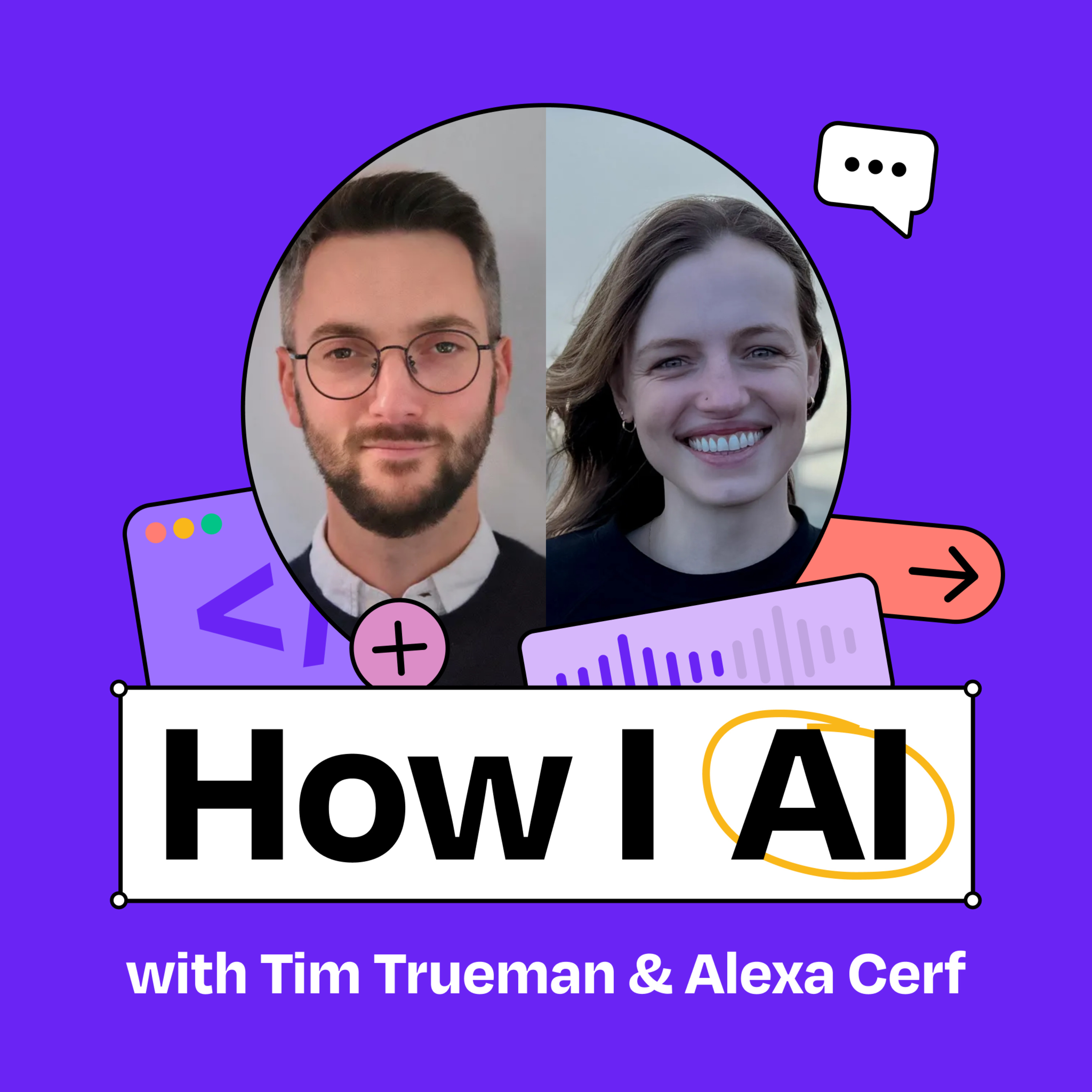
To make company strategy more accessible, Zapier used Google's NotebookLM to create a central AI 'companion.' It ingests all strategy docs, meeting transcripts, and plans, allowing any employee to ask questions and understand how their work connects to the bigger picture.
Instead of holding context for multiple projects in their heads, PMs create separate, fully-loaded AI agents (in Claude or ChatGPT) for each initiative. These "brains" are fed with all relevant files and instructions, allowing the PM to instantly get up to speed and work more efficiently.
By connecting to services like G Suite, users can query their personal data (e.g., 'summarize my most important emails') directly within the LLM. This transforms the user interaction model from navigating individual apps to conversing with a centralized AI assistant that has access to siloed information.
