Get your free personalized podcast brief
We scan new podcasts and send you the top 5 insights daily.
Palmer Luckey's Anduril designs cruise missiles with 90% fewer parts, enabling mass production on standard automotive assembly lines. This innovative approach allows a country to rapidly convert its civilian car factories into military production facilities during a crisis, creating a massive strategic deterrent.

Related Insights
Defense tech startup Anduril is disrupting incumbents not with untested technology, but with a novel business model. It uses VC funds to build manufacturing capacity *before* winning large contracts and sources commercial parts to reduce cost and supply chain risk, effectively prioritizing execution over pure tech risk.

A new category of agile tech companies is winning major defense contracts by offering cheaper, software-driven, and nimbler solutions like drones and AI, directly challenging established giants like Lockheed Martin.
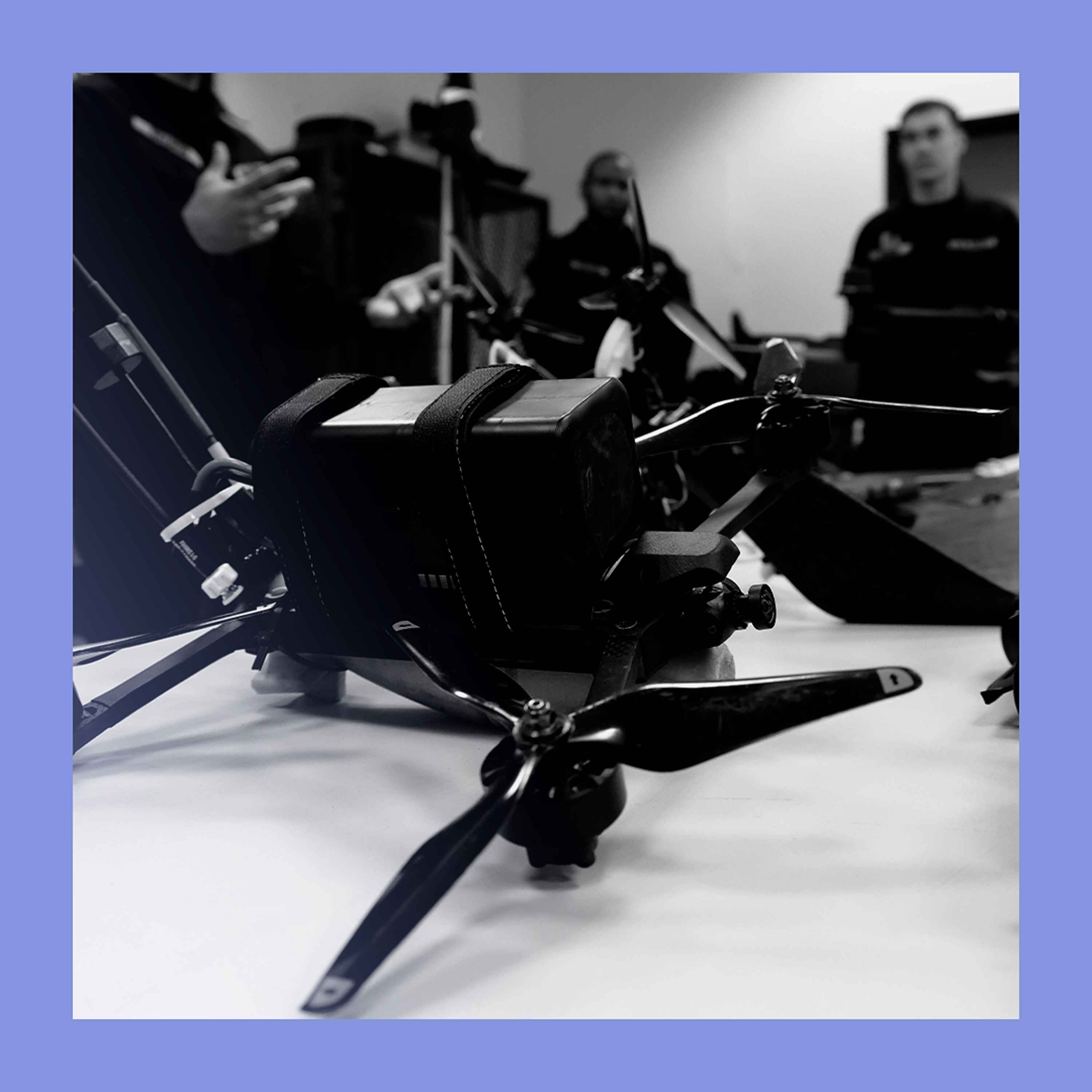
The US defense industry's error was creating a separate, "exquisite" industrial base. The solution is designing weapons that can be built using existing, scalable commercial manufacturing techniques, mirroring the successful approach used during World War II.

Unlike traditional contractors paid for time and materials, Anduril invests its own capital to develop products first. This 'defense product company' model aligns incentives with the government's need for speed and effectiveness, as profits are tied to rapid, successful delivery, not prolonged development cycles.

To ensure wartime scalability, Anduril designs systems like fighter jets to be manufacturable on existing industrial lines (e.g., Ford plants). This avoids building specialized factories and leverages the country's current industrial base, a key lesson from WWII for enabling rapid, massive production.
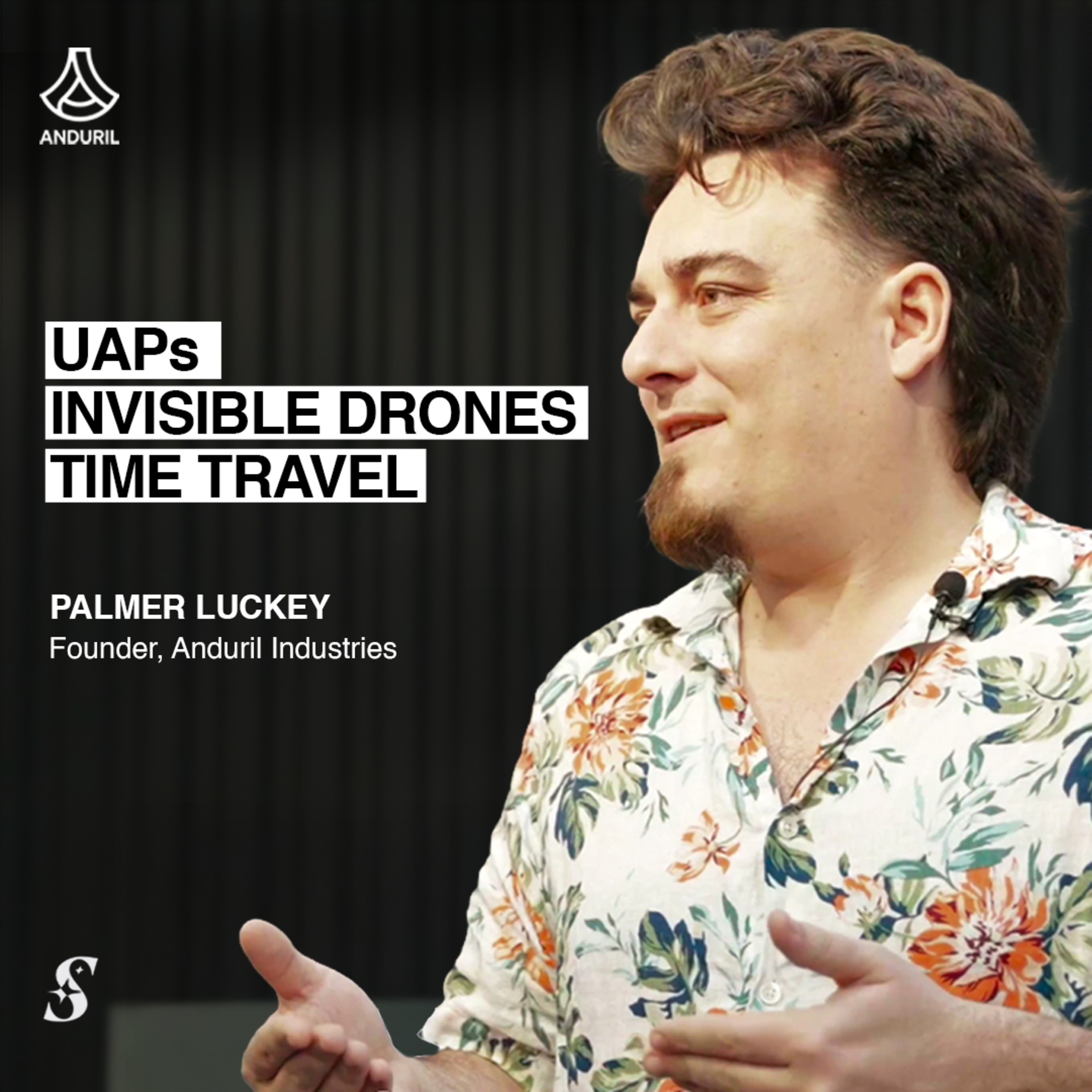
The decisive advantage in future conflicts will not be just technological superiority, but the ability to mass-produce weapons efficiently. After decades of offshoring manufacturing, re-industrializing the US to produce hardware at scale is Anduril's core strategic focus, viewing the factory itself as the ultimate weapon.
Defense prime Anduril pitches its adoption of Dirac's AI-powered manufacturing software directly to government customers. This demonstrates a technologically advanced and efficient production process, building confidence and acting as a sales accelerant. It shows customers not just what Anduril builds, but *how* it builds, which has become a key differentiator.

To avoid obsolescence and maintain readiness, defense manufacturing must shift to a modular, flexible model akin to a contract manufacturer. Anduril's "Arsenal" campus is designed to pivot production on a dime between different systems, ensuring a responsive supply chain in a crisis.

Unlike mass manufacturers, defense tech requires flexibility for a high mix of low-volume products. Anduril addresses this by creating a core platform of reusable software, hardware, and sensor components, enabling fast development and deployment of new systems without starting from scratch.
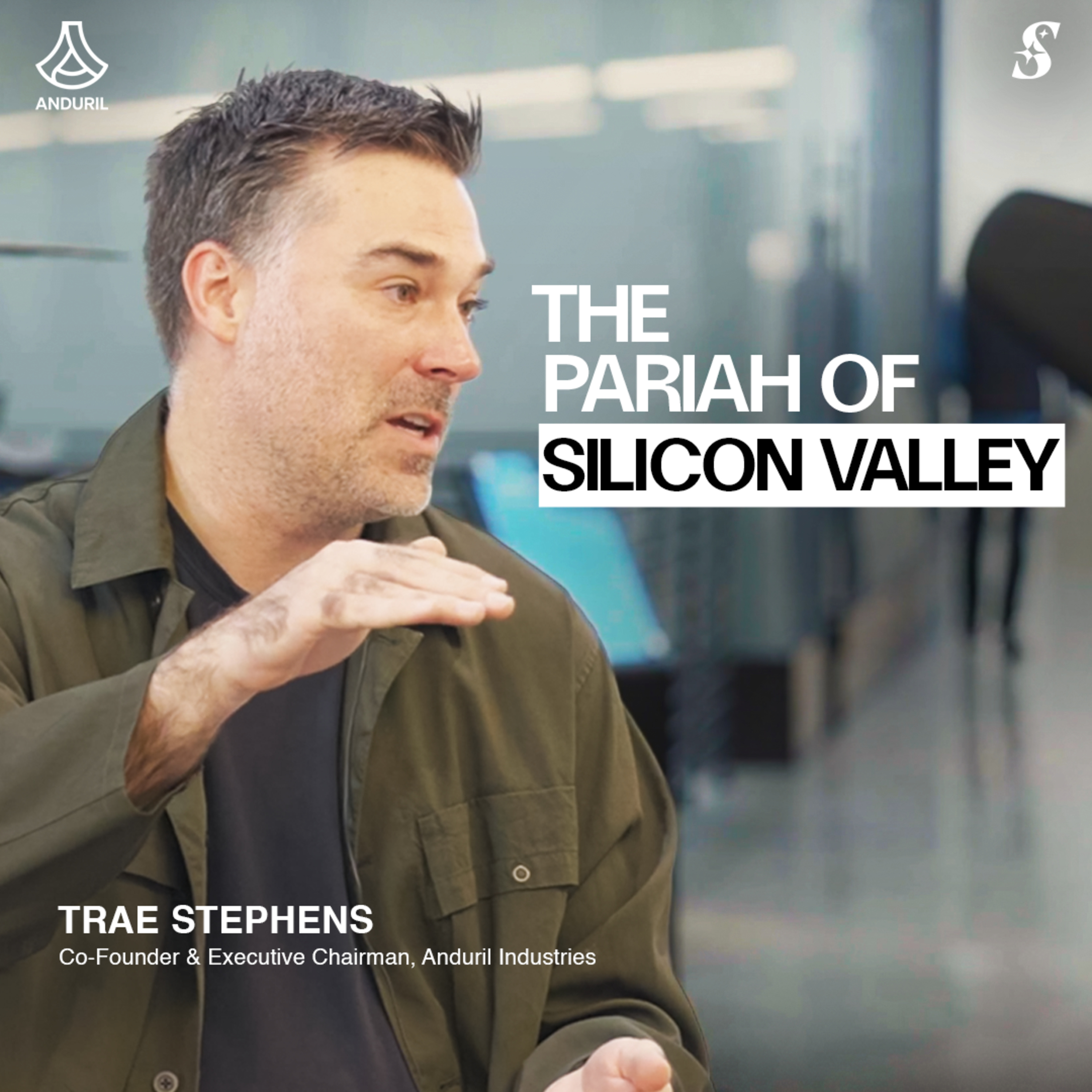
Anduril's co-founder argues America's atrophied manufacturing base is a critical national security vulnerability. The ultimate strategic advantage isn't a single advanced weapon, but the ability to mass-produce "tens of thousands of things" efficiently. Re-industrializing is therefore a core pillar of modern defense strategy.